
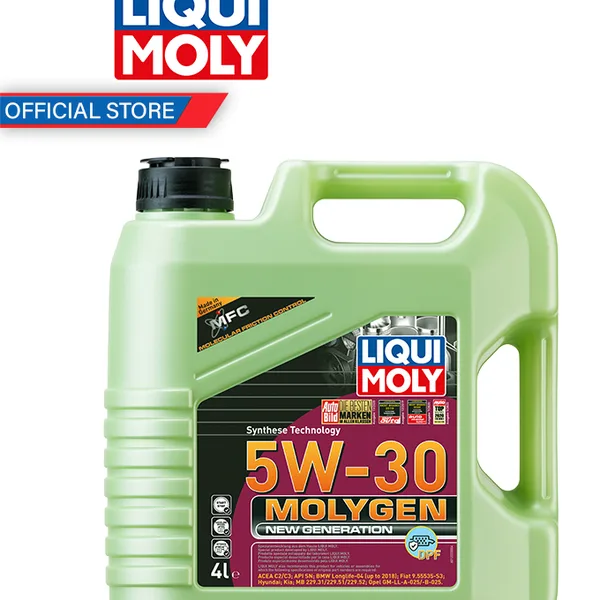
LIQUI MOLY
MolyGen New Generation DPF 5W-30
ACEA C2ACEA C3API SNSAE 5W-30
Diesels with a particulate filter (DPF) and gasoline cars whose manual calls for ACEA C2/C3 or an OEM spec on the label
See price on ShopeeSee price 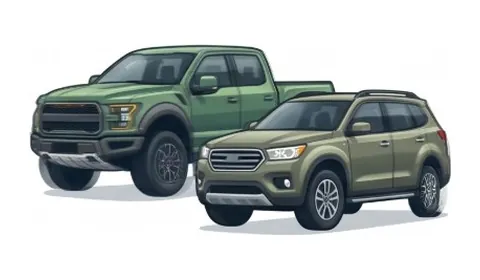
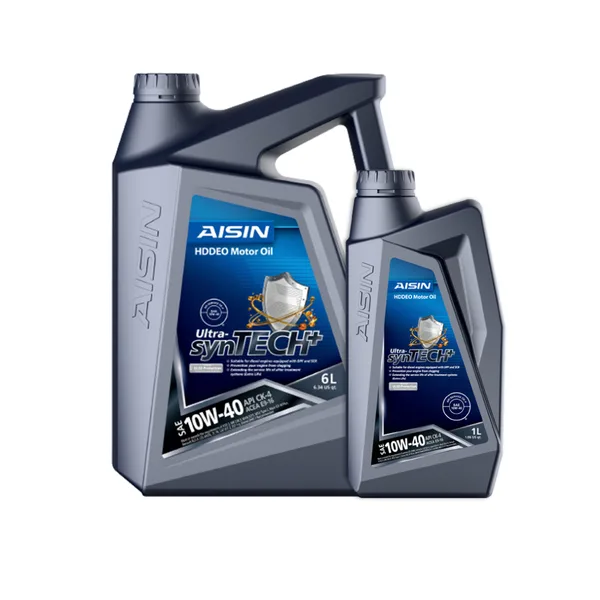
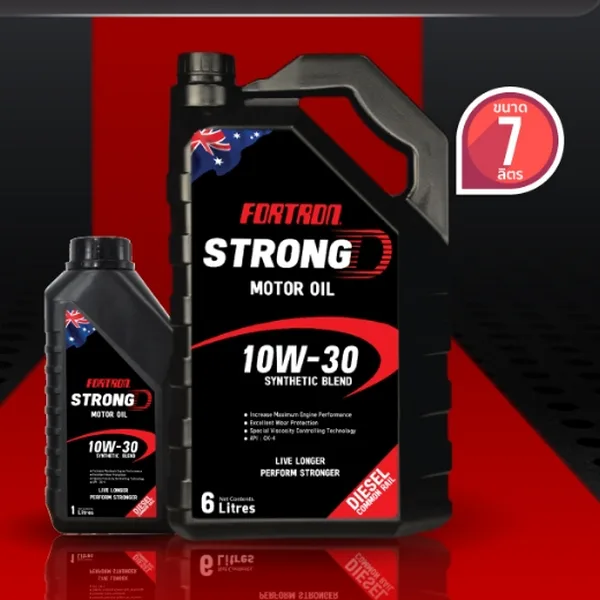
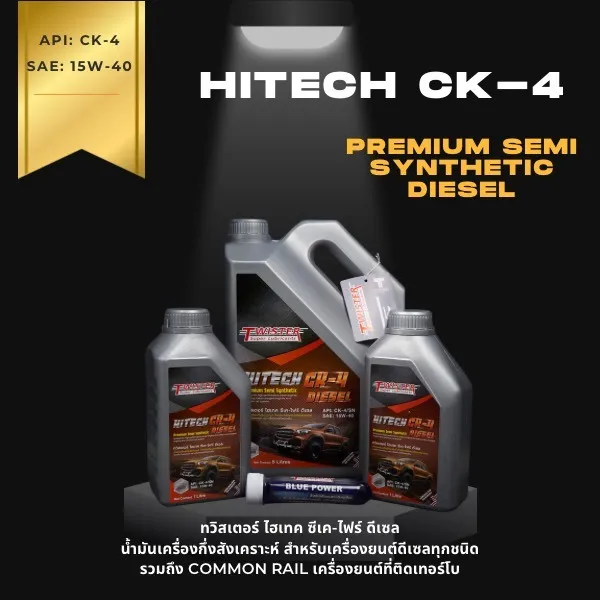
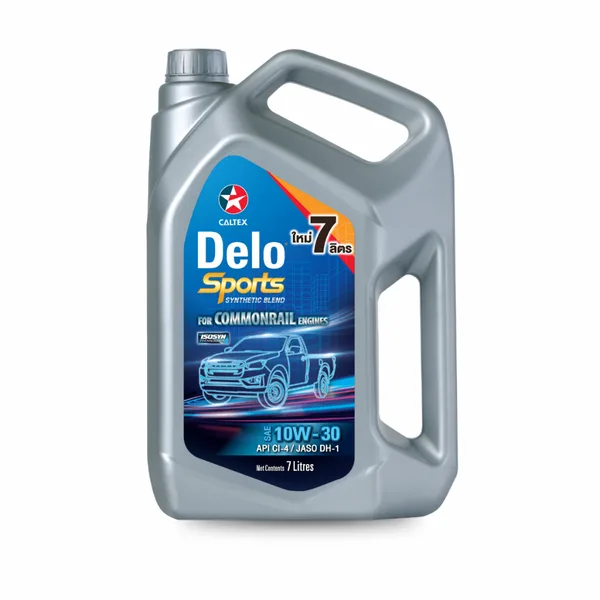
Diesel pickups and SUVs use engine oil with an API grade starting with C (e.g. CI-4, CK-4). Newer common-rail vehicles or those with a DPF should use a grade that supports exhaust after-treatment. Fuel additives must be diesel formulas, and gear/differential oil should follow the grade in your manual.
Prices are not shown here because Shopee prices change often — use the button for the latest price and promotions.
Used in: Goes in the engine · change at the manual interval
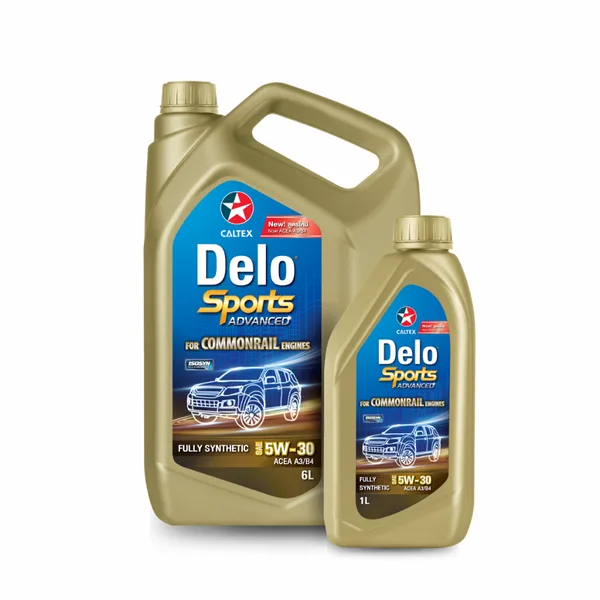
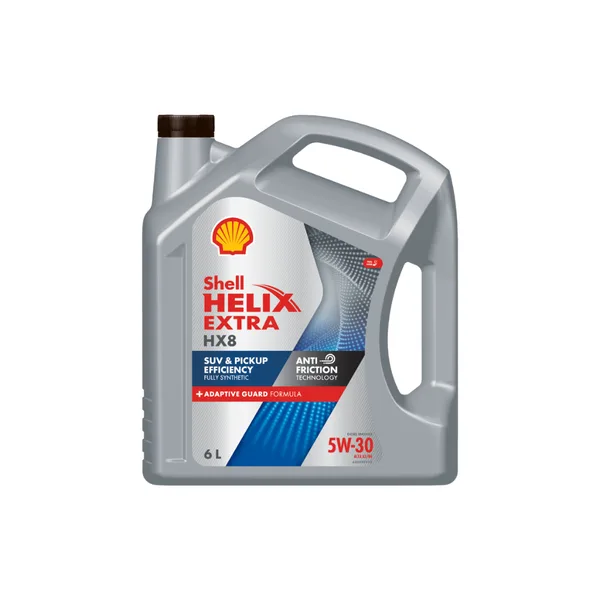
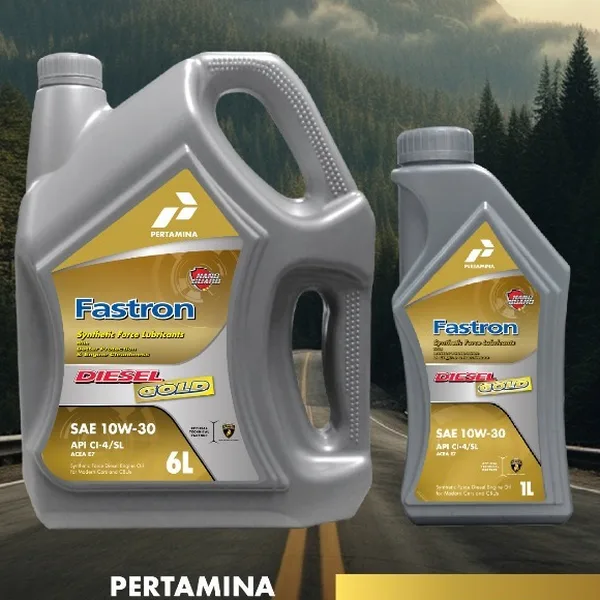
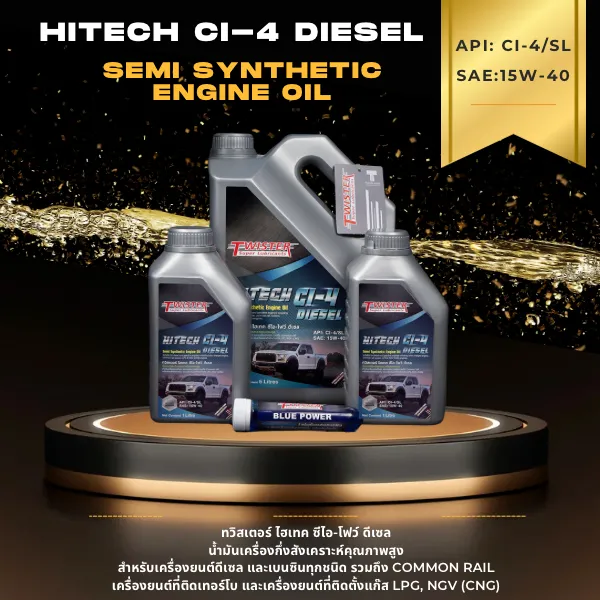
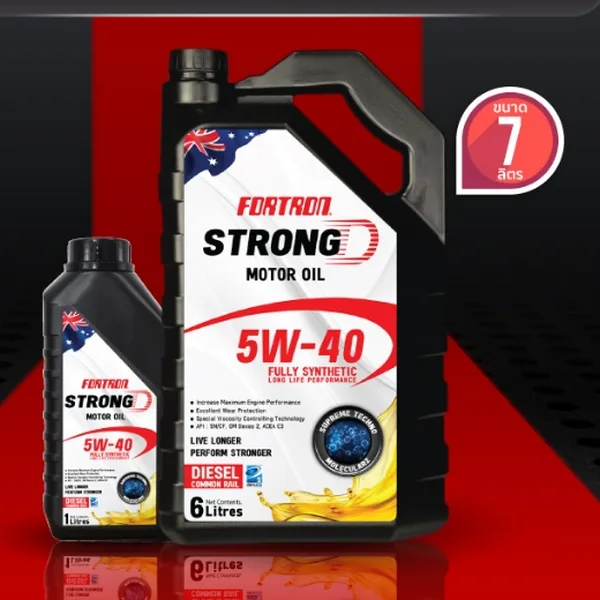
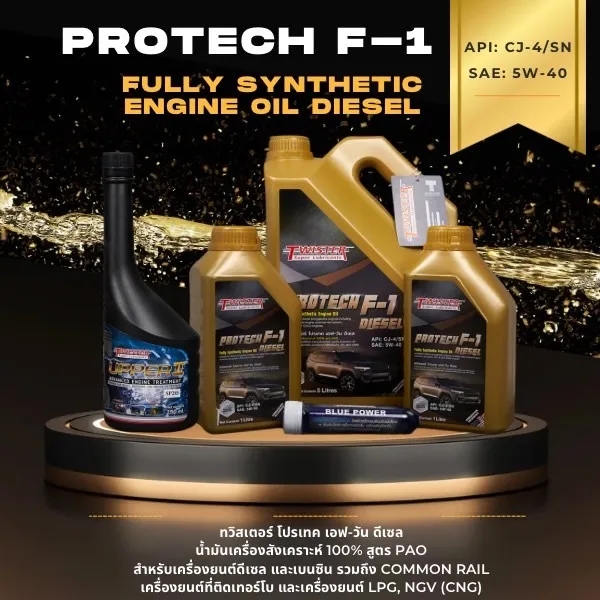
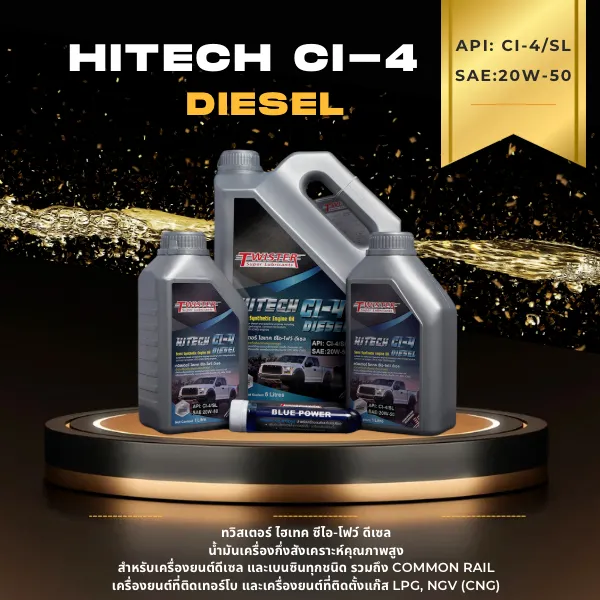
Used in: Mixed into the engine oil, not the fuel tank
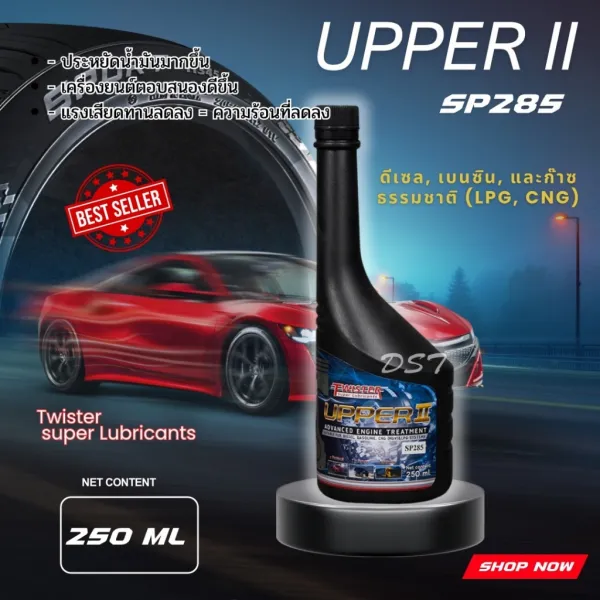
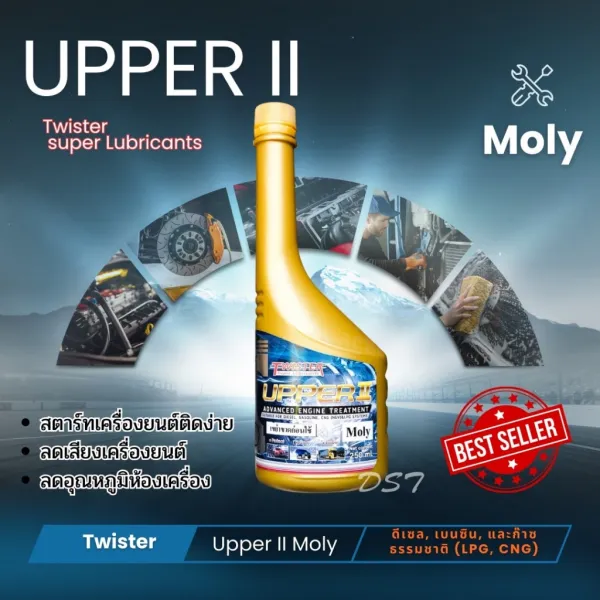
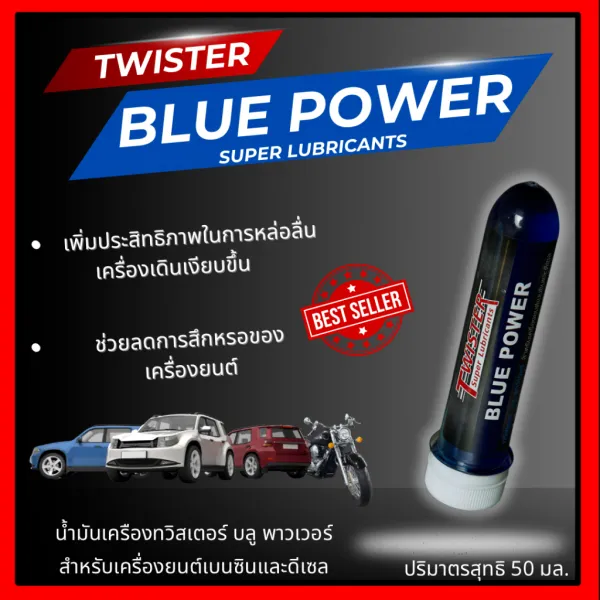
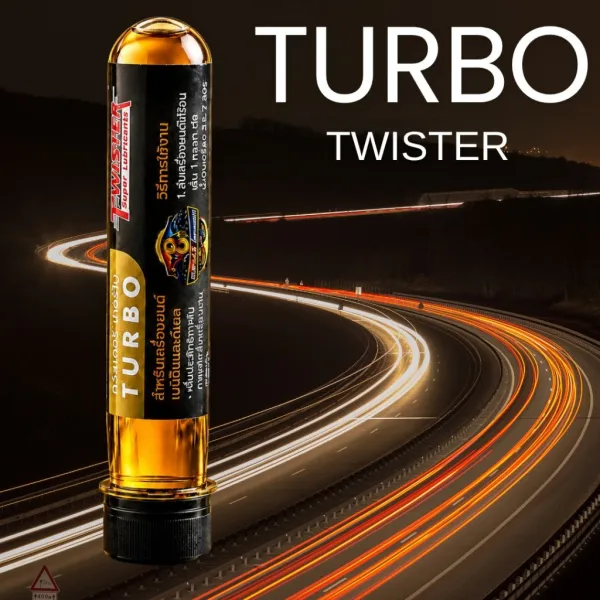
Used in: Cleans the engine before an oil change — not for driving
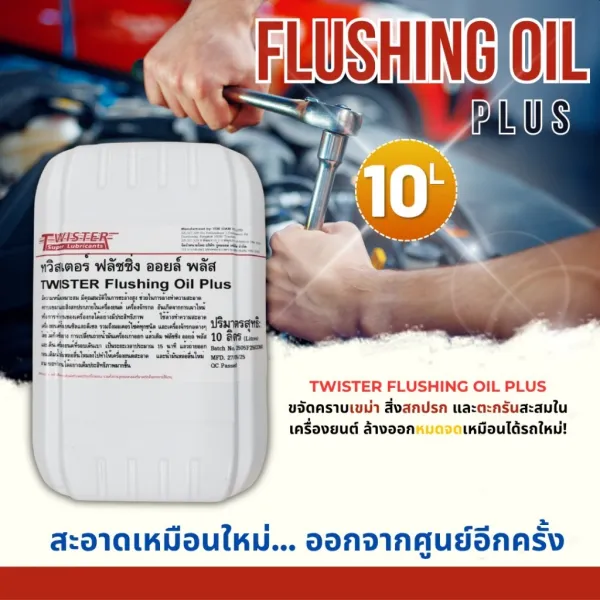
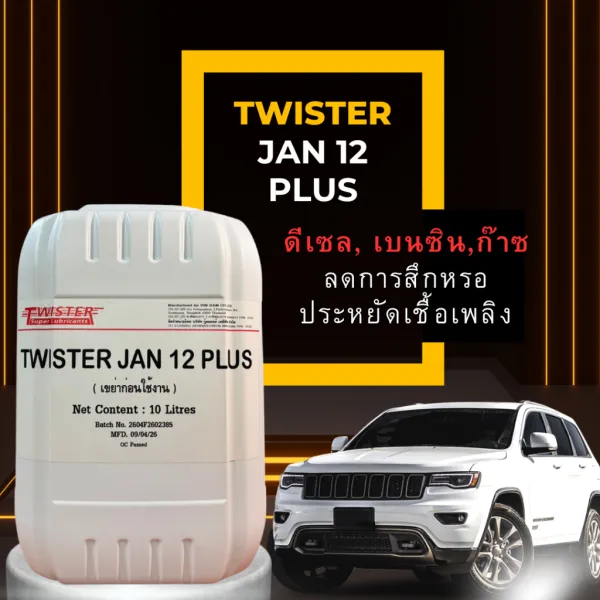
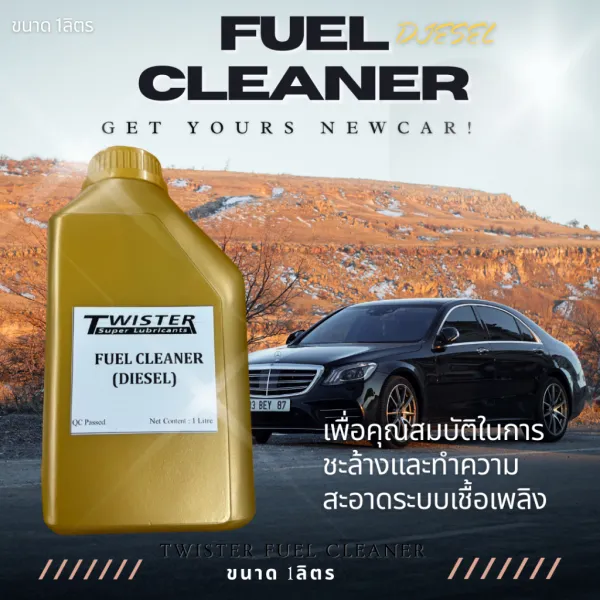
Used in: Added to the fuel tank · match diesel or gasoline
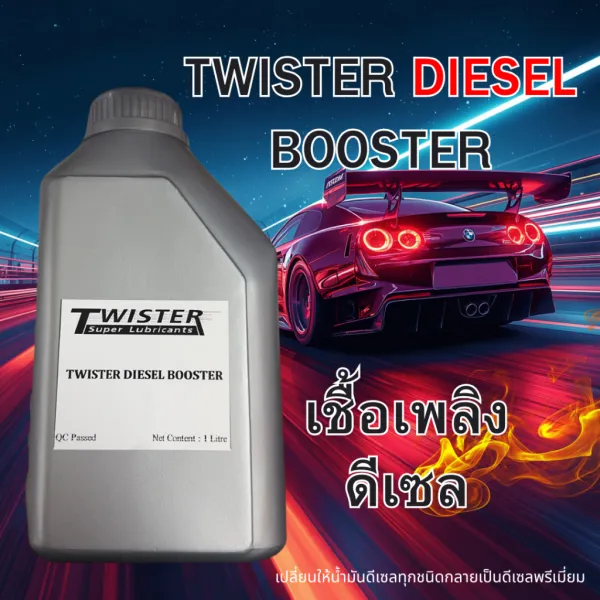
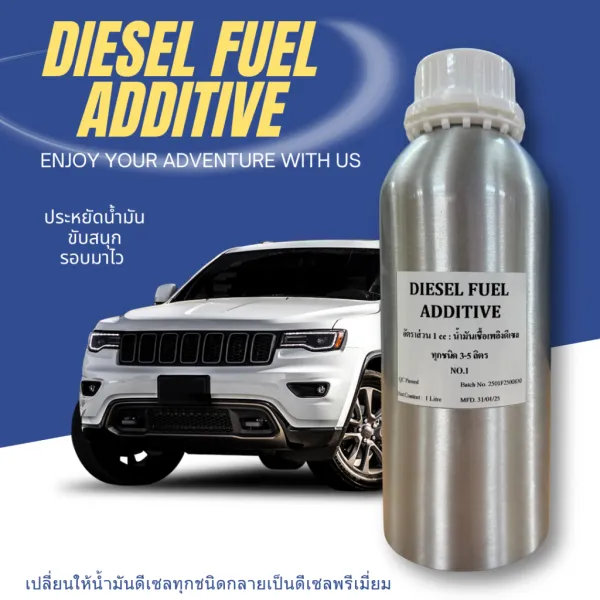
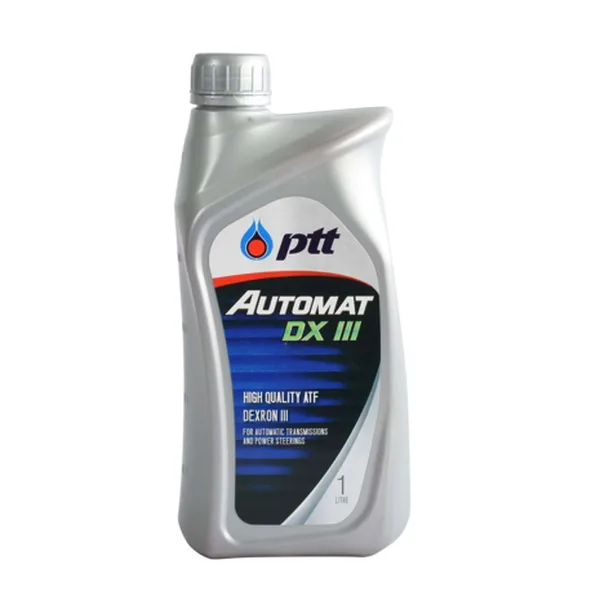
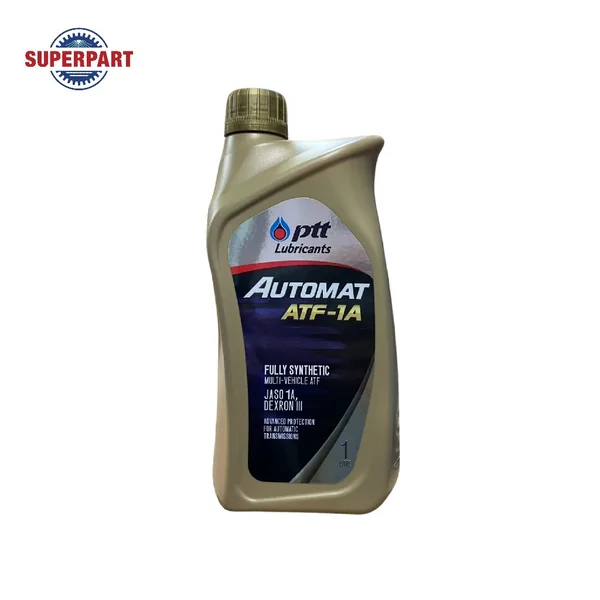
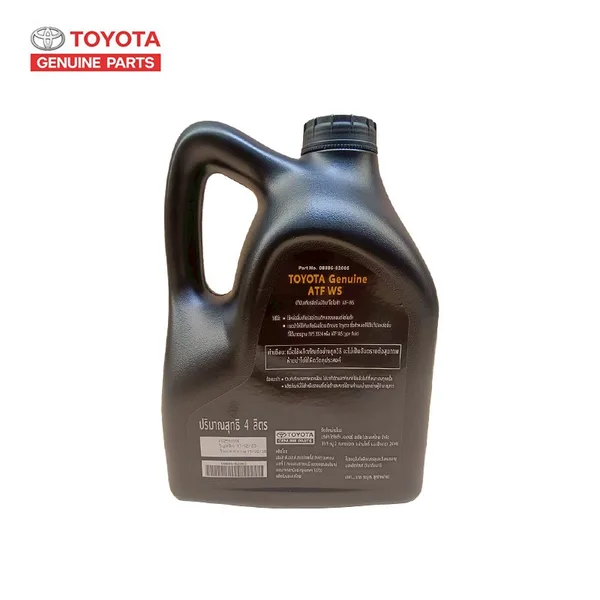
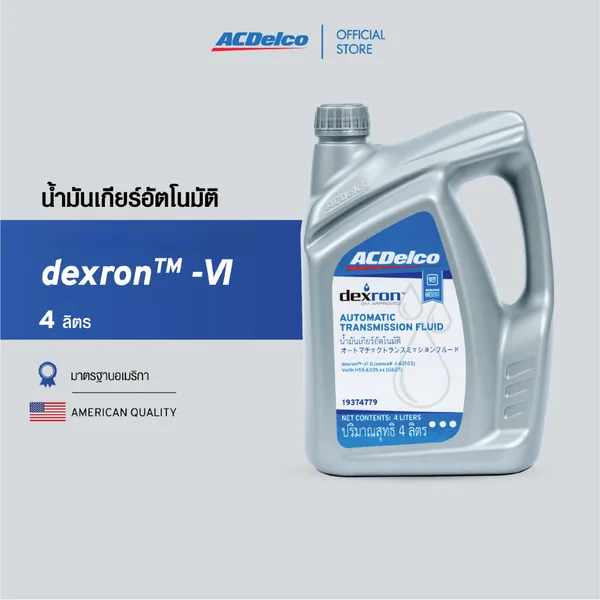
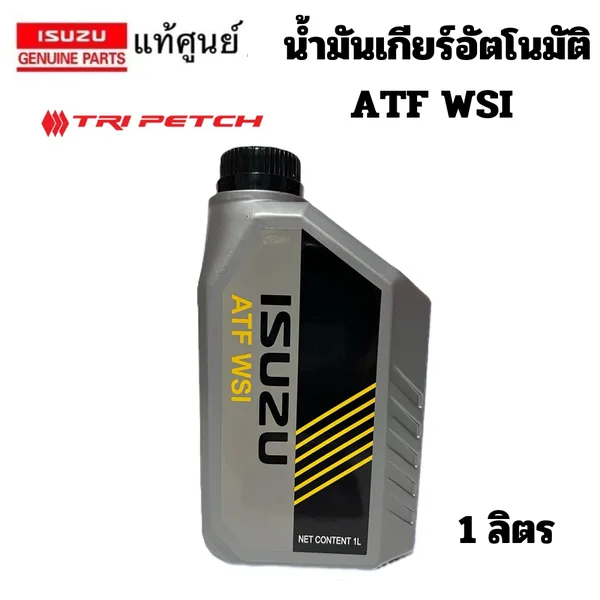
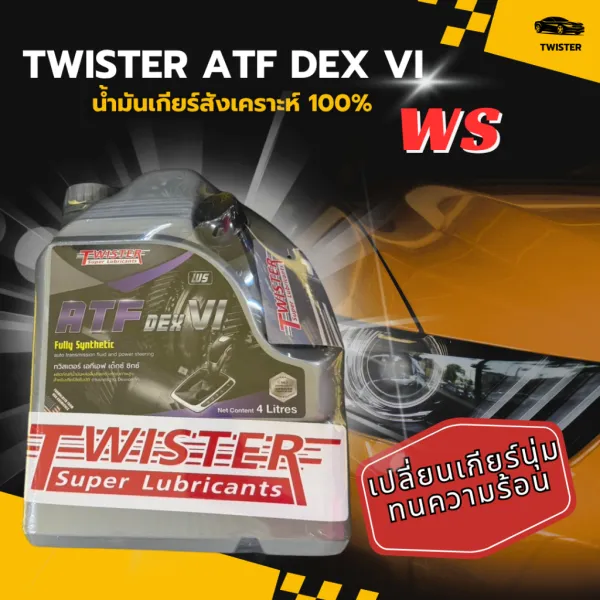
Used in: Geared automatics · never in a CVT
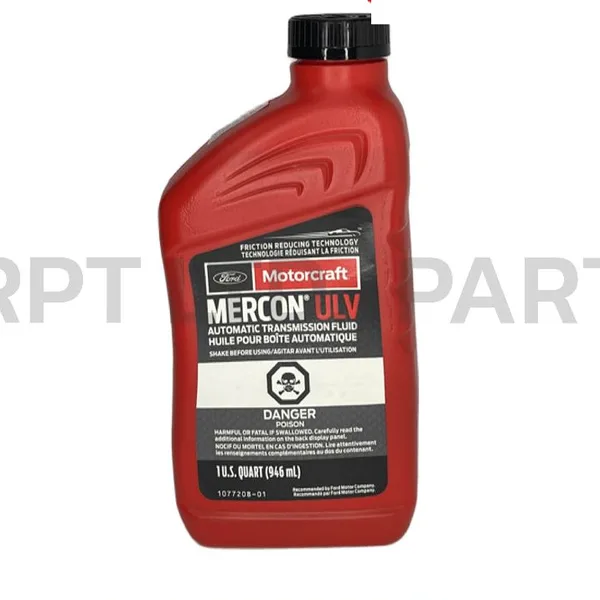
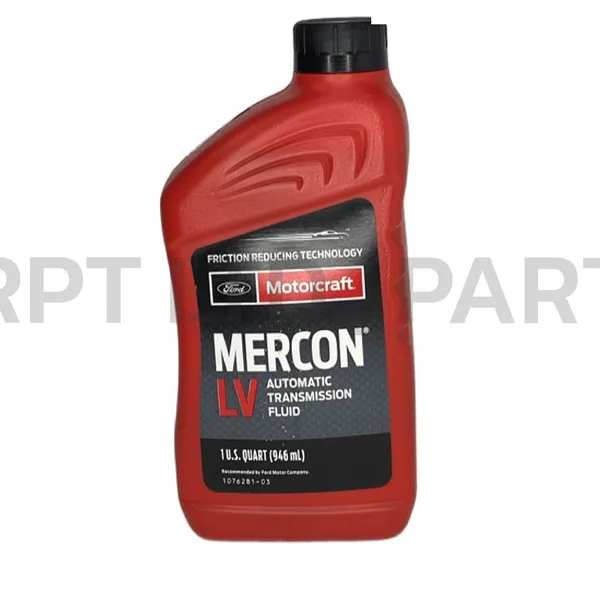
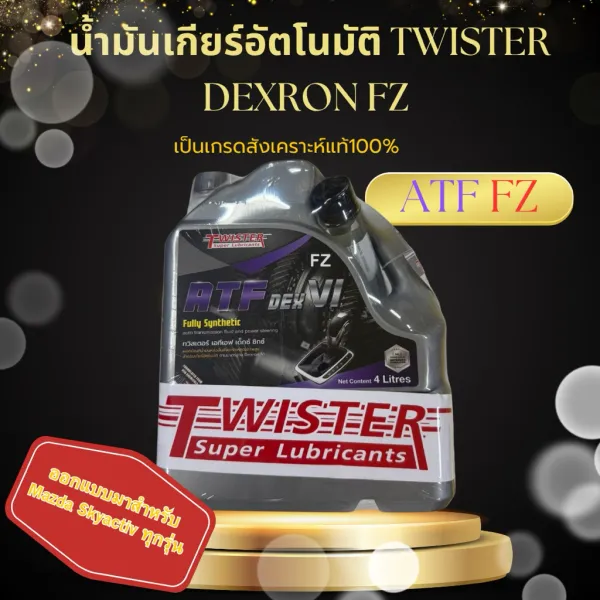
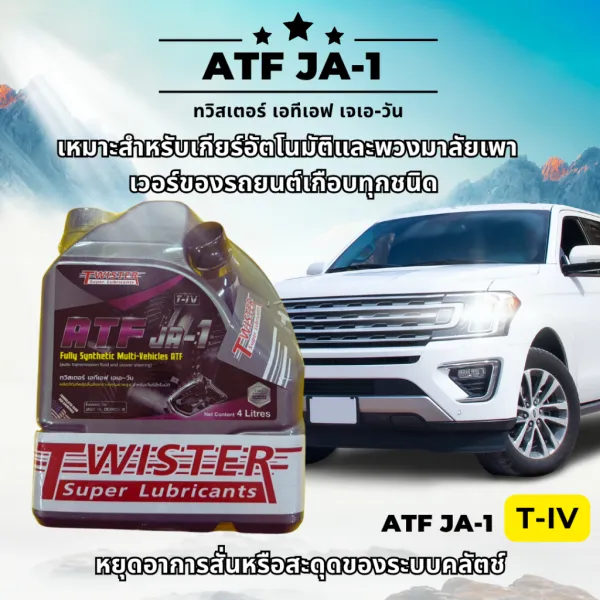
Used in: Belt/chain CVTs only — never substitute ATF
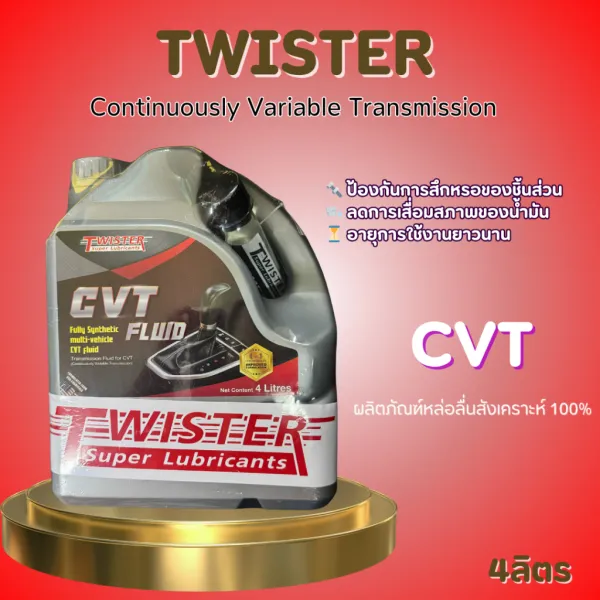
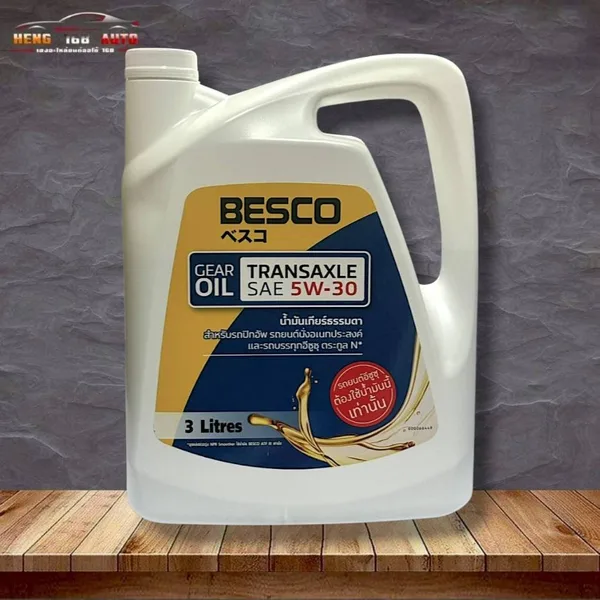
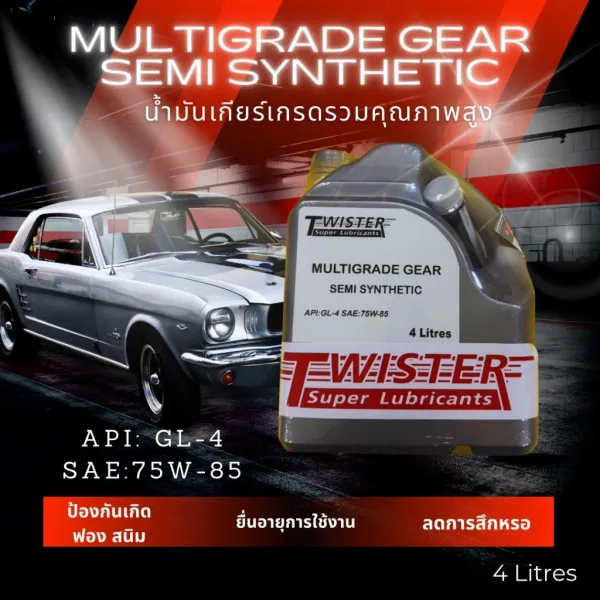
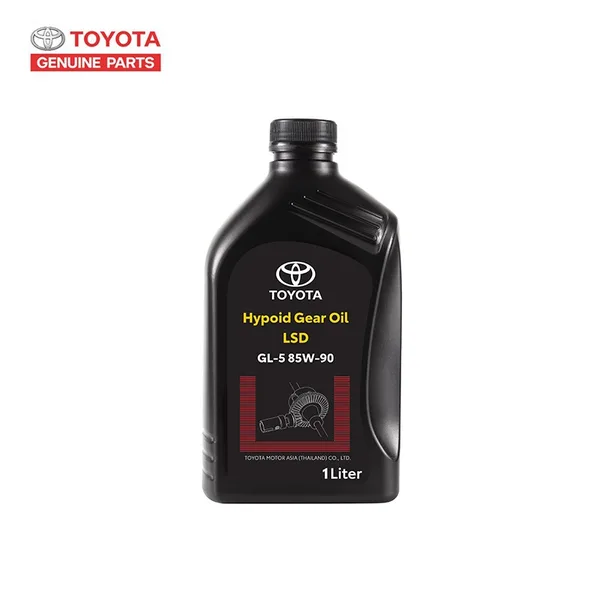
Used in: Manual gearboxes, differentials and scooter final drives · check the GL grade
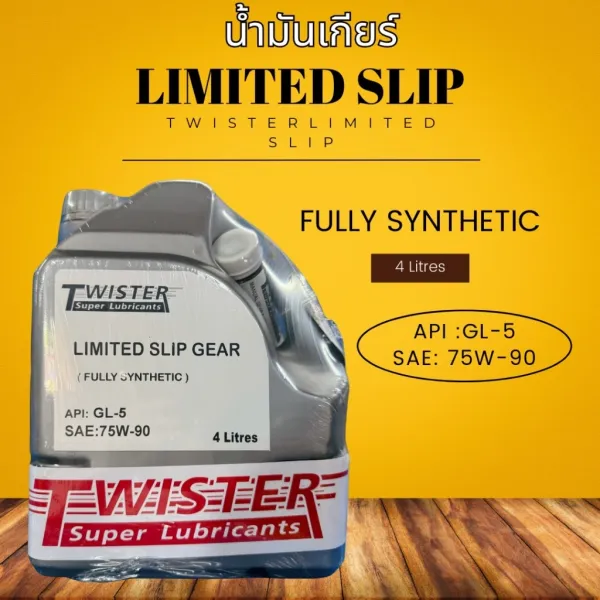
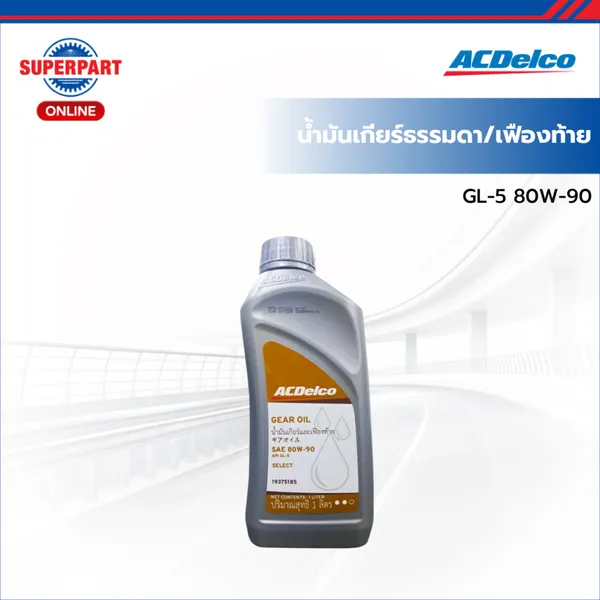
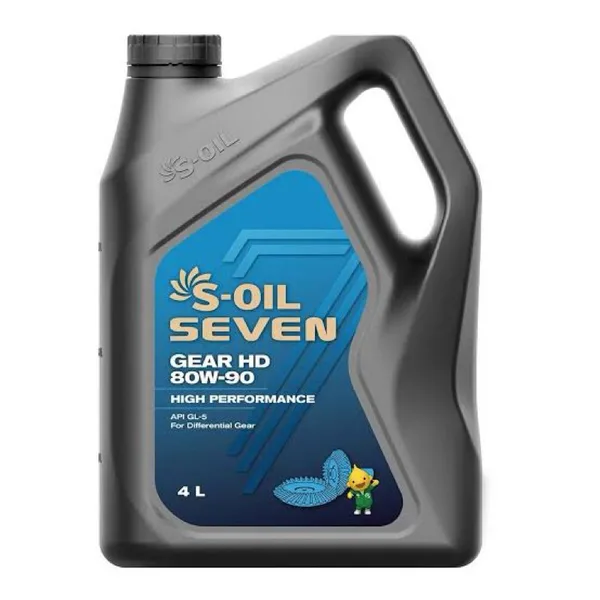
Used in: Mixed into ATF or CVT fluid

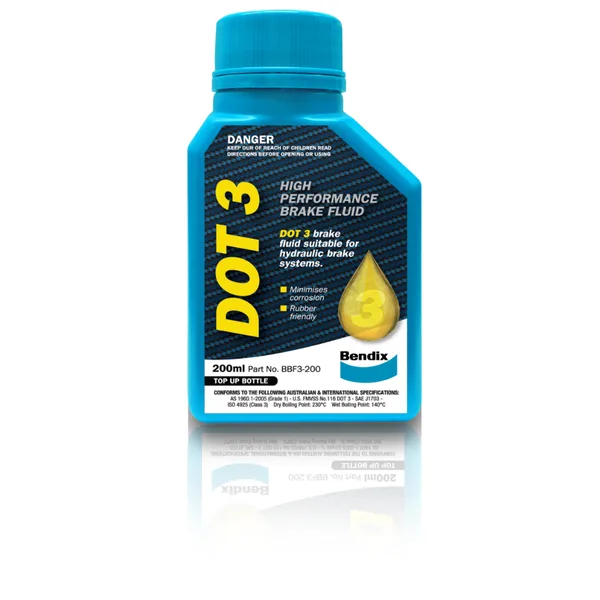
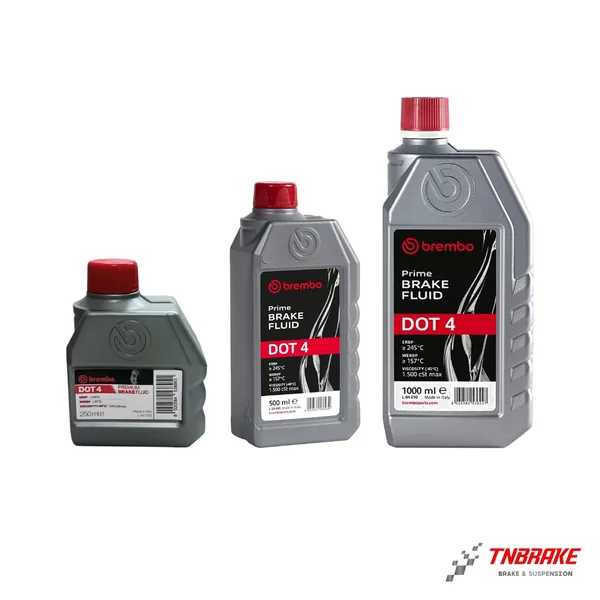
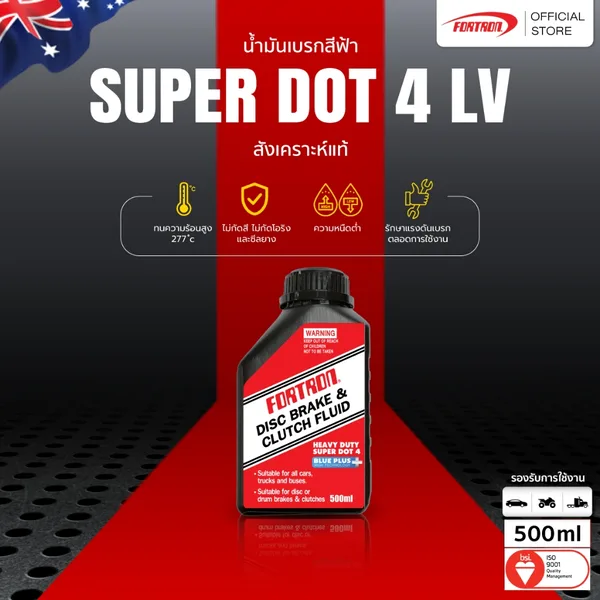
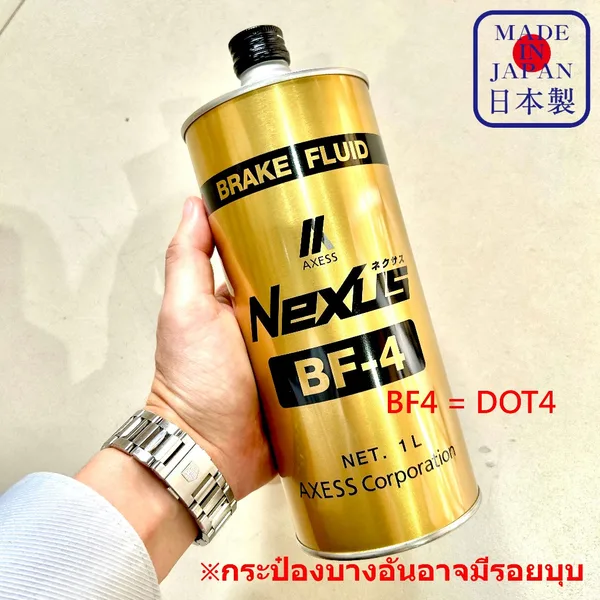
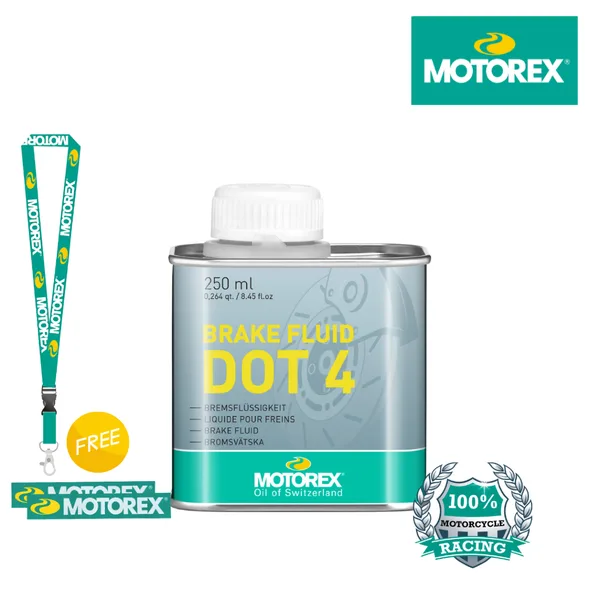
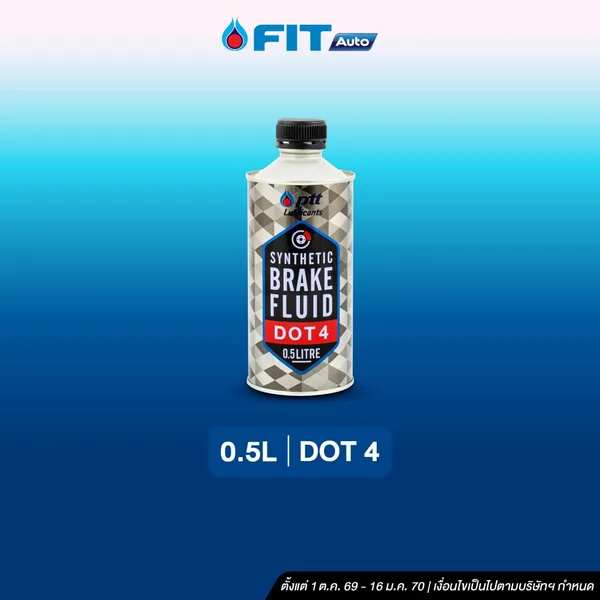
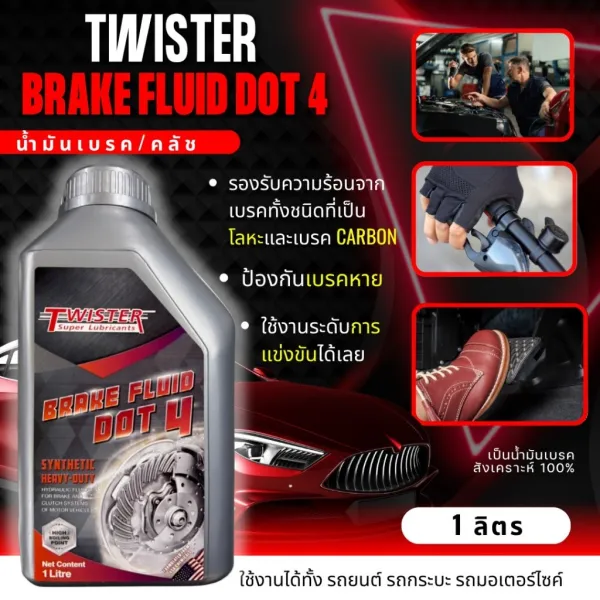
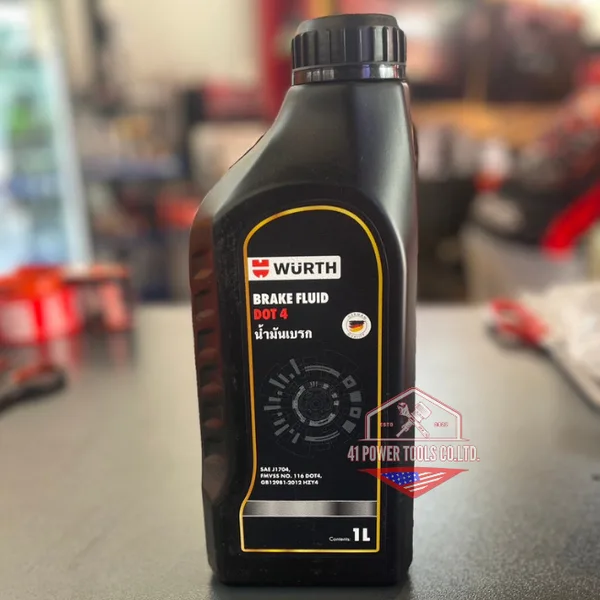
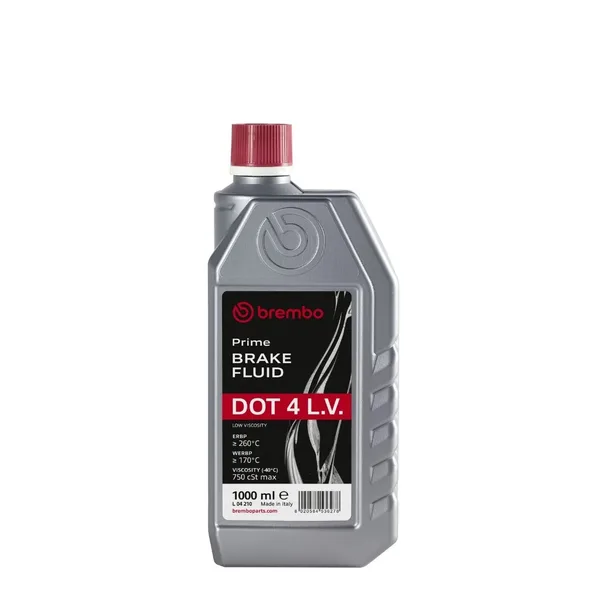
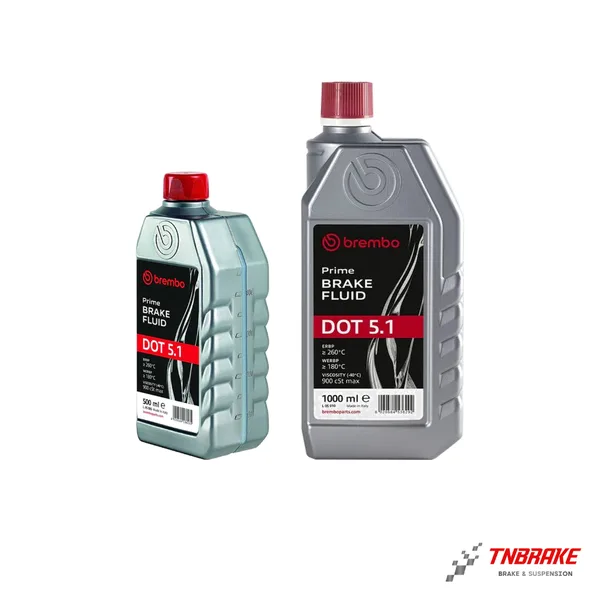
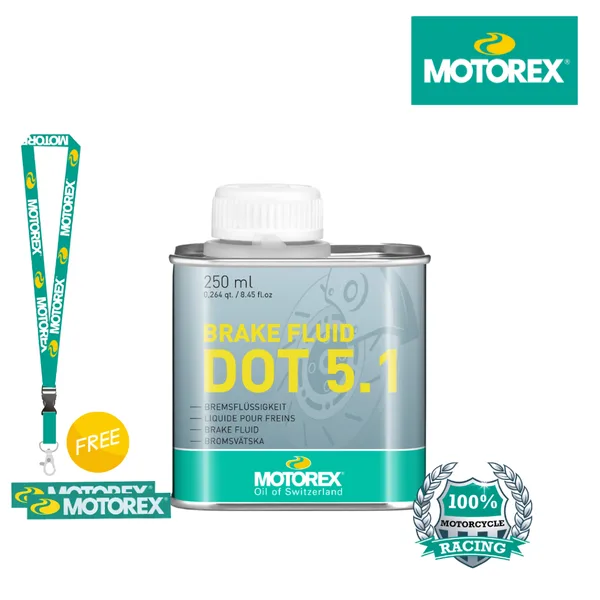
Used in: Brake/clutch reservoir · choose by the DOT number
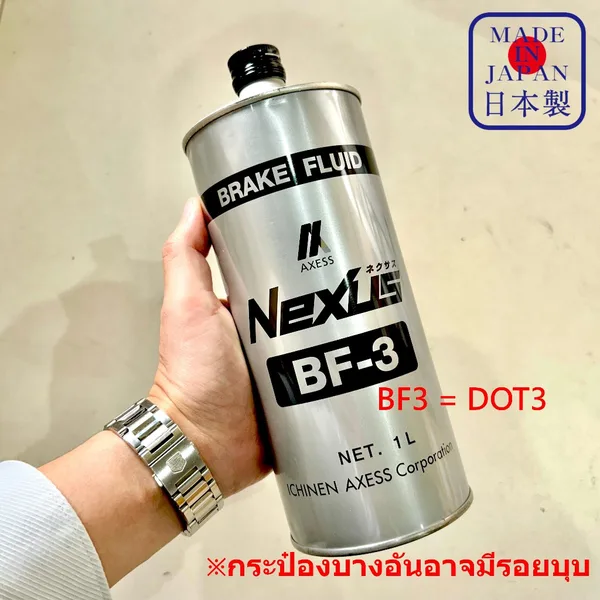
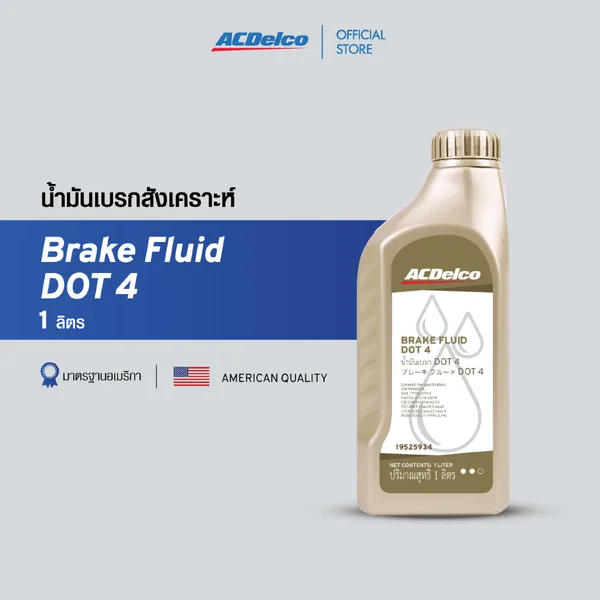
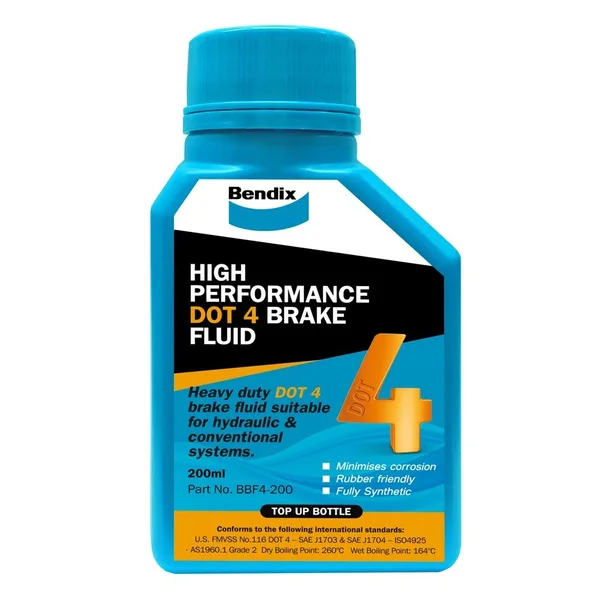
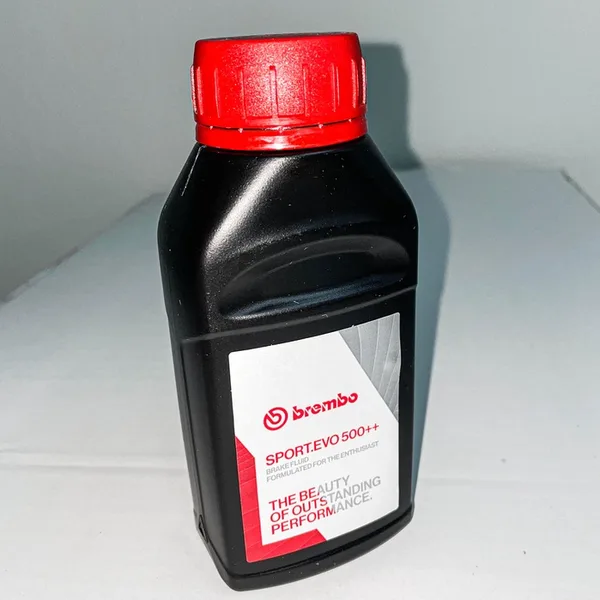
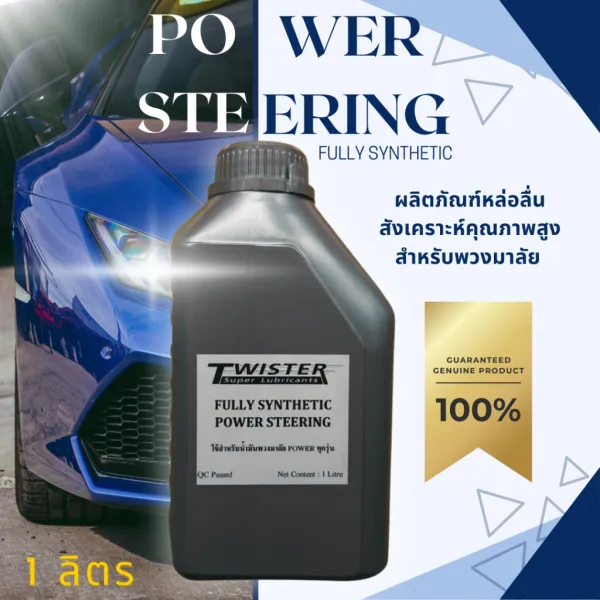
Used in: Hydraulic power steering (electric EPS needs none)
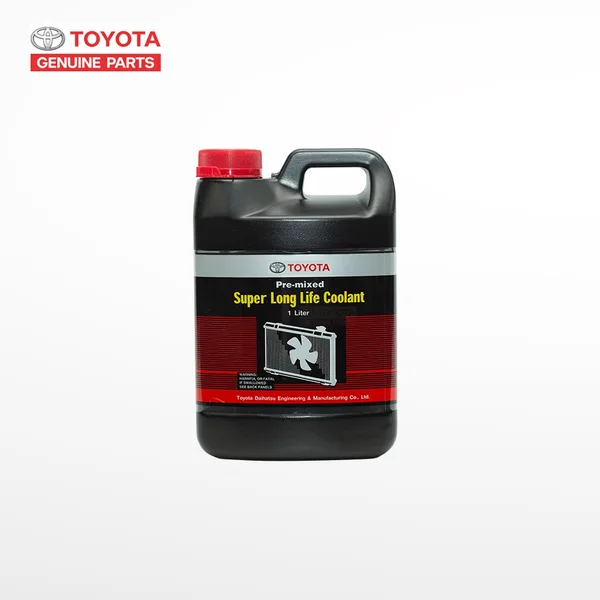
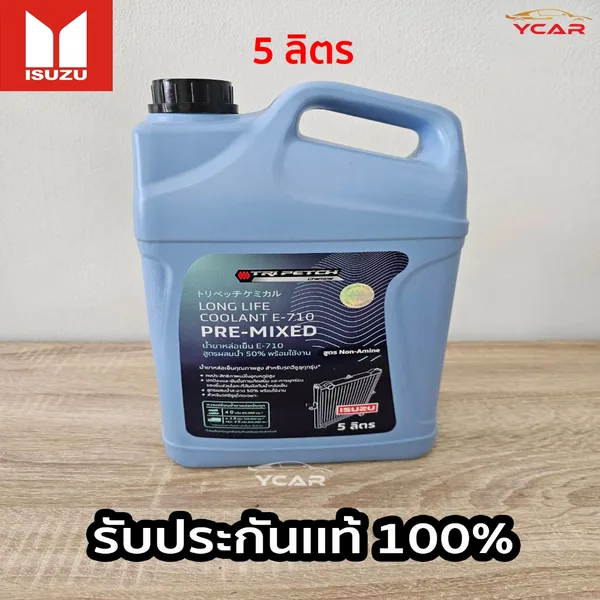
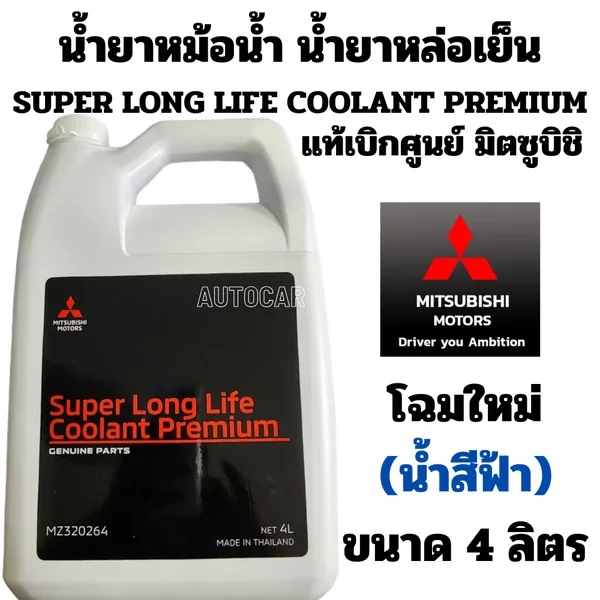
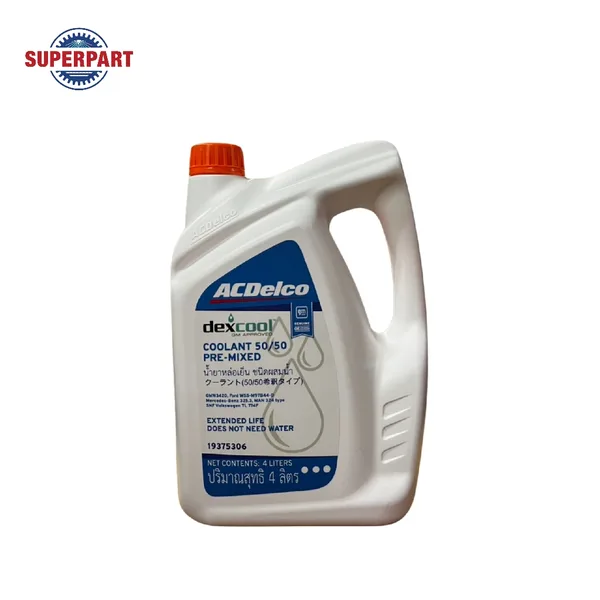
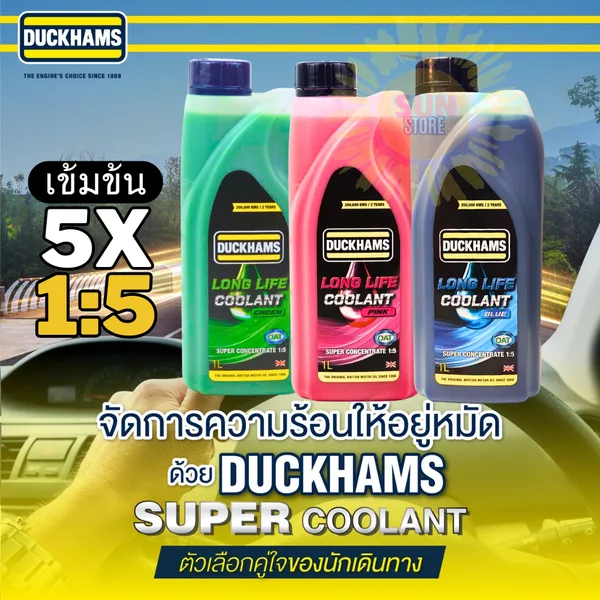
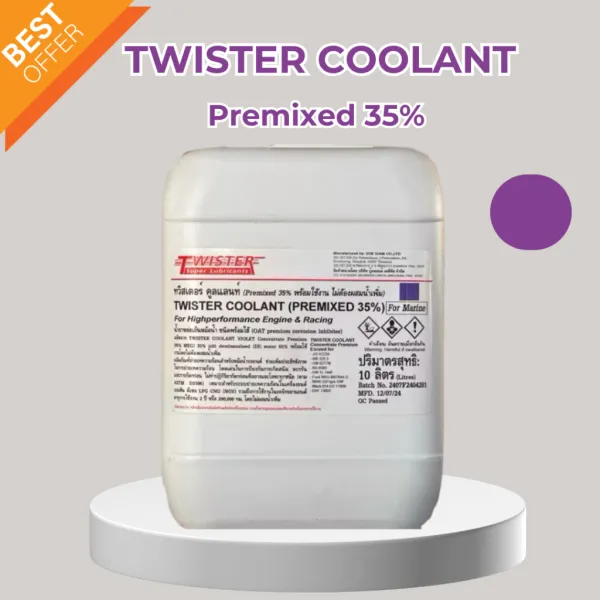
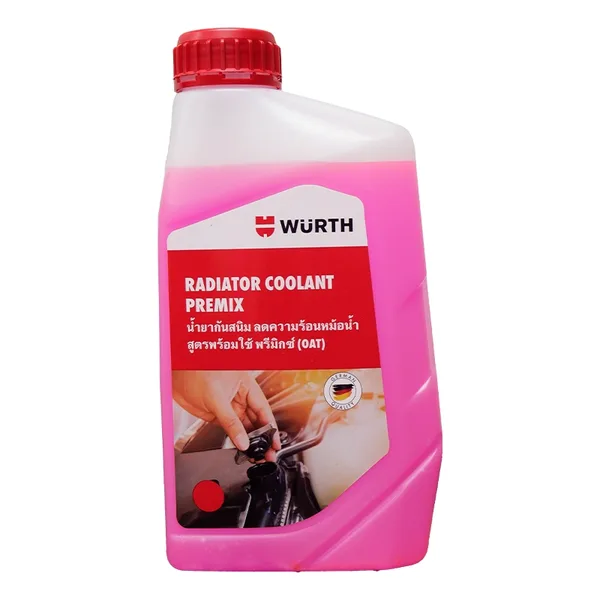
Used in: Radiator/expansion tank · check the formula and mix ratio
A long-parked car may have a flat 12V battery. Check for leaks, oil level, tyres and animal nests first. Thai manual notes for Toyota, Honda, Isuzu, plus hybrids.
Read guide →Does daily stop-and-go traffic count as severe service? Conditions from Toyota, Honda and Isuzu Thai manuals with page numbers, plus normal vs severe oil intervals.
Read guide →Diesel fuel additives help with injector deposits and fuel properties, not worn injectors, pumps, turbos or EGR. What Toyota, Isuzu and Mitsubishi manuals say.
Read guide →Bought a used car with no service history? Which of engine oil, gearbox, brake, coolant and diff oil to change now, which to inspect first, with a summary table.
Read guide →Automatic gearbox jerking, slipping, slow D/R engagement or a burning smell — how much the fluid matters, when a change helps, wrong-spec risks and when to see a dealer.
Read guide →Found a spot under your car? Use colour and location to tell engine oil, ATF, coolant and brake fluid apart, how to use cardboard to check, and which leaks mean stop.
Read guide →CVT shudders pulling away, feels sluggish or whines? What to check first, how wrong or aged fluid fits in, Yaris Ativ and City Turbo intervals, and how hybrids differ.
Read guide →Diesel oil darkening quickly is usually normal, as dispersants hold soot in suspension. Colour does not say when to change it — follow the manual. Signs it is abnormal.
Read guide →Can a D-Max 1.9's oil level rise from diesel getting in? What the 2024 Thai manual says about DPD, what Isuzu's other-market manual says, and when to see a dealer.
Read guide →E20 can replace 95 only if your car supports it. How to check by fuel-cap label, manual or official list, plus mixing, fuel use, moisture, engine oil and additives.
Read guide →Blue smoke = oil burning, black = too much fuel, thin morning vapour can be normal steam, thick white smoke that stays = stop driving. Colour table and Thai smoke rules.
Read guide →Which oils to check after floodwater — engine, gearbox, transfer case, differentials and brake fluid, per Toyota and Isuzu Thai manuals, and when not to restart.
Read guide →What to do when the DPF warning appears on a Revo or Fortuner diesel, per the Thai manuals — burn-off steps, the engine oil they specify, and the Australian DPF case.
Read guide →How hybrid care differs from a petrol car — a flat 12V battery, inverter coolant, hybrid transaxle fluid and brake fluid, per Thai-market Toyota and Honda manuals.
Read guide →Creamy film only under the oil cap is usually condensed moisture; milky oil on the whole dipstick may be coolant in the oil. How to tell, and when to stop driving.
Read guide →A red oil can light means low engine oil pressure. Thai Toyota, Honda and Isuzu manuals say stop at once. What to do next, and when not to drive.
Read guide →A brake pedal that sinks, feels spongy or needs pumping can come from wet fluid, air or a leak. Possible causes, Thai-manual change intervals, and when to stop driving.
Read guide →What ACEA means, how A3/B4, A5/B5, A7/B7 and C2, C3, C5, C6 differ, why European cars need the manufacturer approval in the manual, and how API and ACEA fit together.
Read guide →How often to change ATF, whether "lifetime fill" is real, drain-and-fill vs machine flush, fluid color and smell, high-mileage cars, and gearboxes with no dipstick.
Read guide →API diesel oil grades from CH-4 to CK-4, how far CK-4 can replace older ones, what FA-4 is and why it is not interchangeable, and when CL-4 and FB-4 start.
Read guide →Gauge spiking or steam from the hood? What to do first, engine off or not (sources differ), why you never open a hot radiator cap, causes, and when to tow.
Read guide →How stepped automatics, CVTs and manual gearboxes use different fluids, why ATF can't replace CVT fluid, and how to read DEXRON, JASO 1A, GL-4 and GL-5.
Read guide →What the DOT number means, whether DOT 4 can replace DOT 3, why DOT 5 must never be mixed, and why brake fluid needs changing on time even if you rarely drive.
Read guide →Reading the dipstick correctly, how often to check, how much oil loss is normal, telling a leak from burning, and what not to do.
Read guide →Which oil grade a diesel pickup or PPV needs, what the Thai Toyota, Isuzu, Mitsubishi and Ford manuals actually specify, low-ash oil for DPF, and viscosity.
Read guide →How engine oil additives, fuel additives and flushing oil differ, when they may help, when they aren't needed, and how to use them without causing harm.
Read guide →How LPG/NGV engines differ from gasoline, whether you need a special oil, if you should change it sooner, and what engine oil cannot fix.
Read guide →How manual gearbox and differential oils differ, whether GL-4 and GL-5 are interchangeable, what limited-slip diffs need, and signs it's time to change.
Read guide →How many kilometers or months between oil changes, how normal and severe intervals differ, whether full synthetic really stretches the interval, and signs to check.
Read guide →Whether your car uses power steering fluid at all, why some systems take ATF and others must not, where to find the spec, how to check the level, and signs of trouble.
Read guide →Why a radiator needs coolant, not plain water, how premixed and concentrate differ, what color does and doesn't tell you, mixing brands, and checking the level safely.
Read guide →What the numbers and letters on an engine oil bottle mean — SAE viscosity, API grades for diesel and gasoline, and JASO for motorcycles, in plain language.
Read guide →How 100% synthetic, semi-synthetic and mineral engine oils differ, which cars benefit from full synthetic, and whether you can switch types or top up with a mix.
Read guide →All fluid tables by car model →
 Gasoline carSedans · Eco cars · Gasoline SUVs
 HybridGasoline hybrids · HEV · PHEV
 Truck / heavy-duty dieselTrucks · Haulage · Heavy-duty diesel
 Manual motorcycleGeared bikes · Wet clutch · 4-stroke
 Automatic scooterScooters · CVT · Dry clutch
 Big bikeHigh-revving · 250cc+ · Wet clutch