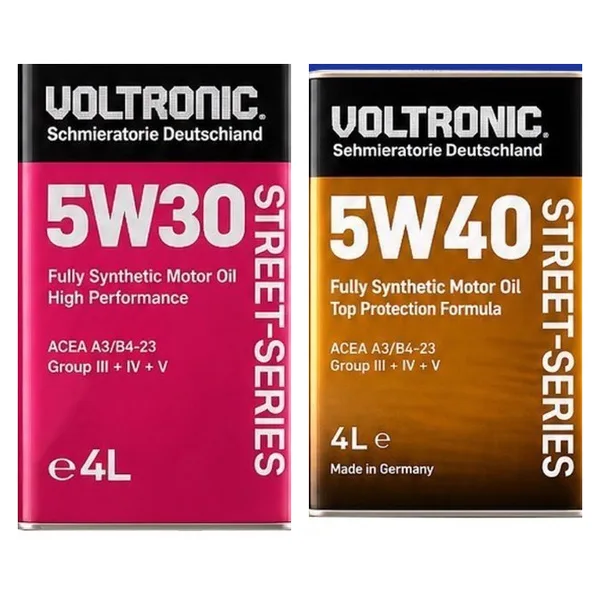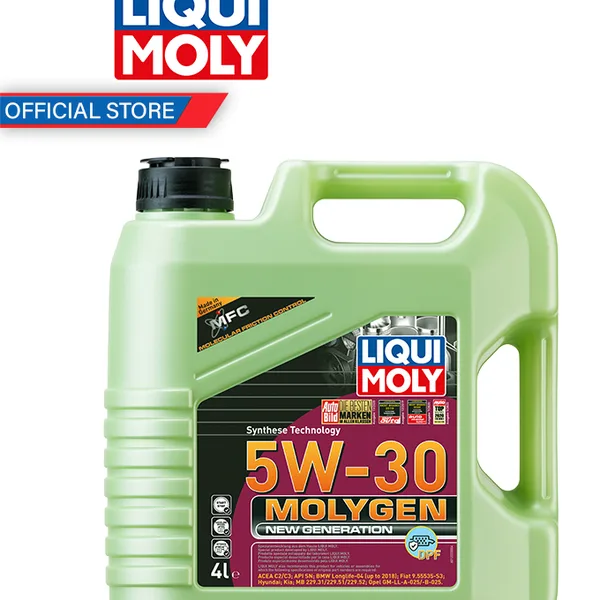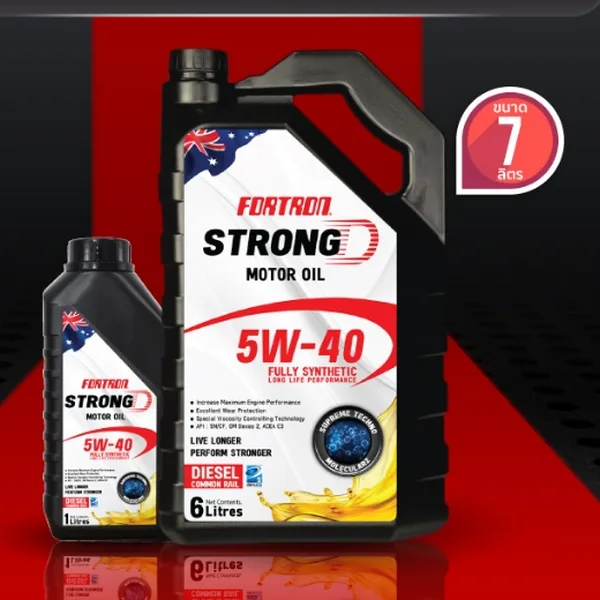
European car manuals often list “ACEA C3” or “MB 229.51” instead of the API grade you may know. That raises two questions: is an oil marked A3/B4 acceptable, and how does it differ from an oil that carries the carmaker’s own approval? Work through it in this order.
1. What is ACEA?
ACEA is the European automobile manufacturers’ association. It publishes the ACEA Oil Sequences, which set out the tests an oil must pass to claim each level.
- ACEA does not certify individual bottles. The oil marketer claims that its formulation meets the requirements, and must state both the class and the category (for example A3/B4)
- The number at the end is the edition year. The latest light-duty edition we found is 2023 (e.g. A3/B4-23); the heavy-duty (E) edition is 2024. Labels with an older edition (such as C3-21) still turn up, because oils claiming an earlier edition may be sold for a limited period
2. A/B classes: higher ash (“High SAPS”)
SAPS means sulphated ash, phosphorus and sulphur in the formulation. A/B oils carry more of these than C oils.
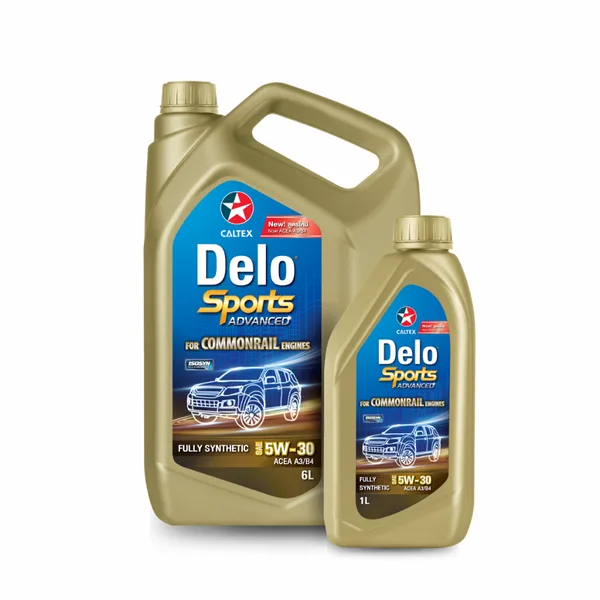
- A3/B4: stay-in-grade oil for gasoline and light diesel engines, and/or the long drain intervals a carmaker specifies (HTHS at least 3.5 mPa·s)
- A5/B5: for engines designed around lower-viscosity oil, HTHS 2.9–3.5 mPa·s. Not suitable for some engines, so check the manual
- A7/B7: A5/B5 plus extra low-speed pre-ignition (LSPI) and wear protection for turbocharged direct-injection gasoline engines, and turbocharger deposit protection for modern DI diesels. Also unsuitable for some engines
These are not designed for DPF/GPF cars. If your manual calls for a C category, don’t substitute A3/B4.
3. C class: lower ash for exhaust after-treatment
C oils limit ash, phosphorus and sulphur to protect DPF/GPF and catalytic converters. The main difference between categories is the HTHS viscosity the engine is designed for.
- C2: mid-SAPS, HTHS at least 2.9
- C3: mid-SAPS, HTHS at least 3.5
- C4: lowest ash (low-SAPS), HTHS at least 3.5, used where the carmaker specifies it
- C5: fuel-economy oriented, for engines the maker approves for HTHS as low as 2.6
- C6: C5 plus LSPI and wear protection for turbocharged DI engines · C7: based on C6, more fuel-economy focused (HTHS down to 2.3)
Use the category your manual states, and don’t swap them yourself. Each is tied to the viscosity the engine was designed for.
E class covers heavy-duty diesel (the 2024 edition lists E4, E7, E8, E11 and F01). For pickups see Diesel pickup engine oil and API CK-4 vs FA-4.
4. “Meets ACEA” vs OEM approval
OEM approvals are each carmaker’s own requirements, such as VW 502 00 / 504 00, Mercedes-Benz MB 229.5 / 229.51, or BMW Longlife-01 / Longlife-04. They tend to be more specific, and the product must appear on the carmaker’s list.
The broad idea (check the manufacturer’s documents for details on your model):
- VW 502 00 is a regular-ash formulation for petrol engines; VW 504 00 / 507 00 are low-ash groups. VW’s own bulletin points common-rail diesels with a DPF to 504 00 or 507 00
- MB 229.5 is regular-ash; MB 229.51 / 229.52 are low-ash (low SPAsh)
- BMW LL-04 has lower ash than LL-01 and has conditions of use depending on engine type and market, so check your manual
An ACEA C3 label does not automatically mean MB 229.51 or BMW LL-04. Approvals usually apply to a specific formulation and viscosity grade. A label saying “meets ACEA” only means the oil marketer claims the ACEA requirements. If your manual names an OEM code, look for that code on the label.
5. Why check the manual for a European car in Thailand
- The manual states the carmaker’s requirement, not whatever grade an advert promotes
- Unsure which code applies? Ask the brand’s service centre, quoting your chassis number. For intervals see Engine oil change interval
6. How API and ACEA fit together
API (SP, SQ) is the American system and ACEA is the European one; they do not convert directly. Some bottles list both (such as API SP with ACEA C3). Follow what your manual specifies: if it names ACEA or an OEM code, treat that as primary and API as supporting information. See How to read an engine oil label, SP/SQ for sedans and Turbo gasoline engine oil.
Quick summary
- ACEA is claimed by the oil marketer · an OEM approval means seeing the carmaker’s code on the label
- A/B higher ash · C low ash for DPF/GPF · C3 HTHS ≥3.5 · C5–C7 fuel-economy focused
- Read the code in your manual first, then find a label that states it · API and ACEA are not substitutes
Browse gasoline oils with full specs at Gasoline engine oil · Match by vehicle with the finder