
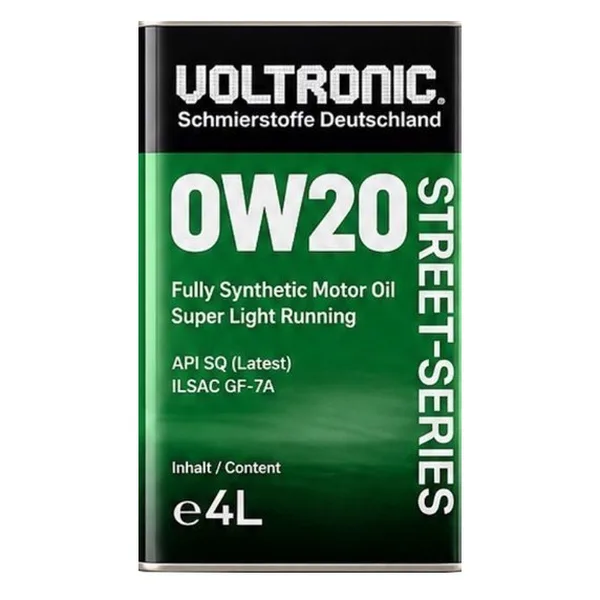
VOLTRONIC
Street Series 0W-20
Fully syntheticAPI SQILSAC GF-7ASAE 0W-20
Eco cars, hybrids and newer Japanese cars that specify 0W-20
See price on ShopeeSee price 
Hybrid engines stop and start often and tend to run cooler, so most manuals specify low-viscosity oil (e.g. 0W-16, 0W-20). This section only lists engine oils whose label or maker states hybrid use. For other fluids (e-CVT fluid, inverter coolant), follow the specification in your manual.
Prices are not shown here because Shopee prices change often — use the button for the latest price and promotions.
Used in: Goes in the engine · change at the manual interval
A long-parked car may have a flat 12V battery. Check for leaks, oil level, tyres and animal nests first. Thai manual notes for Toyota, Honda, Isuzu, plus hybrids.
Read guide →Does daily stop-and-go traffic count as severe service? Conditions from Toyota, Honda and Isuzu Thai manuals with page numbers, plus normal vs severe oil intervals.
Read guide →Camry ACV40 2.4 (2AZ-FE) burning oil? Toyota USA issued a TSB and warranty program; no Thai source confirms one. How to measure, pick a grade, and when to see a mechanic.
Read guide →Does a car at 100,000 or 200,000 km need a different oil grade? What owner's manuals say, what high-mileage oil is, and what to do when the engine burns oil.
Read guide →Creamy film only under the oil cap is usually condensed moisture; milky oil on the whole dipstick may be coolant in the oil. How to tell, and when to stop driving.
Read guide →A red oil can light means low engine oil pressure. Thai Toyota, Honda and Isuzu manuals say stop at once. What to do next, and when not to drive.
Read guide →What ACEA means, how A3/B4, A5/B5, A7/B7 and C2, C3, C5, C6 differ, why European cars need the manufacturer approval in the manual, and how API and ACEA fit together.
Read guide →What engine oil a hybrid needs, why stop-start running stresses oil, how 0W-16, 0W-20 and 0W-8 differ, what GF-7B/GF-6B mean, and whether 0W-20 can replace 0W-16.
Read guide →What heat and LSPI do to turbocharged direct-injection engines, how API SP/SQ and ILSAC GF-6/GF-7 help, how to read viscosity and intervals, and how to shut down.
Read guide →What numbers like 5W-30 mean, whether you can go thicker or thinner than the manual, whether high-mileage engines should switch, and when you should never change.
Read guide →Reading the dipstick correctly, how often to check, how much oil loss is normal, telling a leak from burning, and what not to do.
Read guide →Which engine oil grade suits a sedan, eco car or hybrid, how API SP and SQ differ, what ILSAC GF-7 means, and why the manual's viscosity comes first.
Read guide →How many kilometers or months between oil changes, how normal and severe intervals differ, whether full synthetic really stretches the interval, and signs to check.
Read guide →What the numbers and letters on an engine oil bottle mean — SAE viscosity, API grades for diesel and gasoline, and JASO for motorcycles, in plain language.
Read guide →How 100% synthetic, semi-synthetic and mineral engine oils differ, which cars benefit from full synthetic, and whether you can switch types or top up with a mix.
Read guide →All fluid tables by car model →
 Gasoline carSedans · Eco cars · Gasoline SUVs
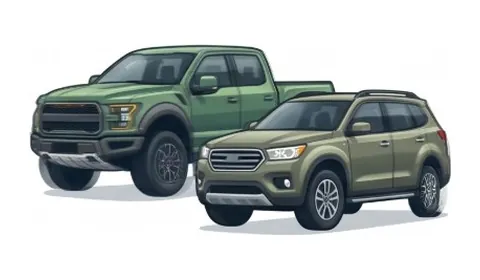 Diesel pickup / SUVPickups · PPVs · Diesel SUVs
 Truck / heavy-duty dieselTrucks · Haulage · Heavy-duty diesel
 Manual motorcycleGeared bikes · Wet clutch · 4-stroke
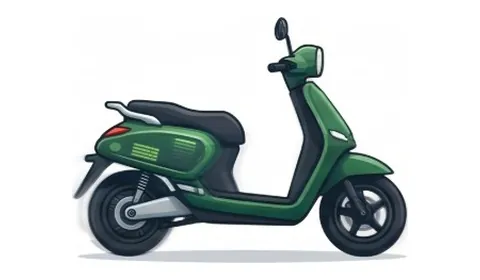 Automatic scooterScooters · CVT · Dry clutch
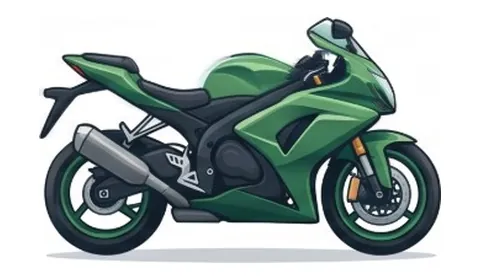 Big bikeHigh-revving · 250cc+ · Wet clutch