
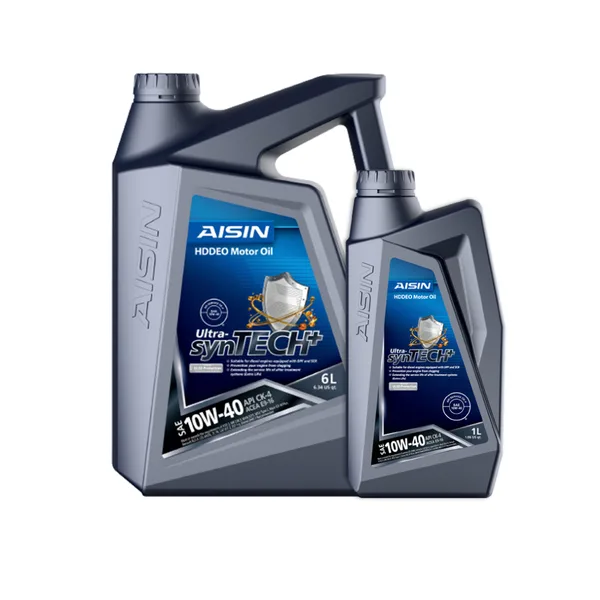
AISIN
HDDEO Ultra-synTECH+ 10W-40
API CK-4ACEA E9SAE 10W-40
Diesel pickups and heavy-duty diesels, including DPF/SCR-equipped engines, whose manual calls for API CK-4 or ACEA E9 in 10W-40
See price on ShopeeSee price 
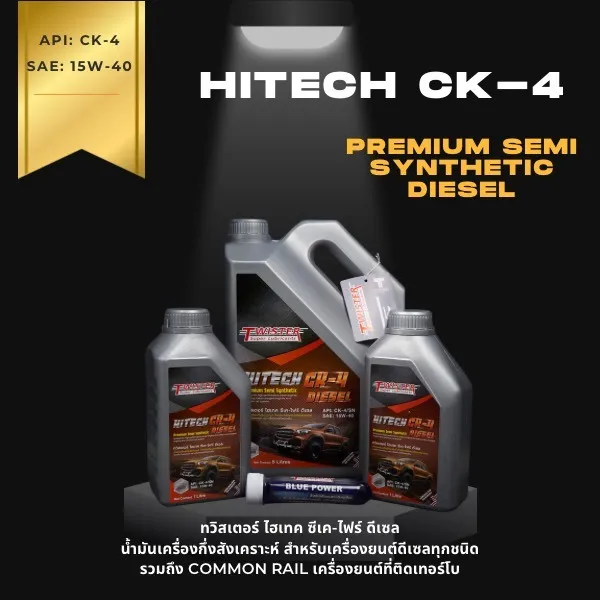
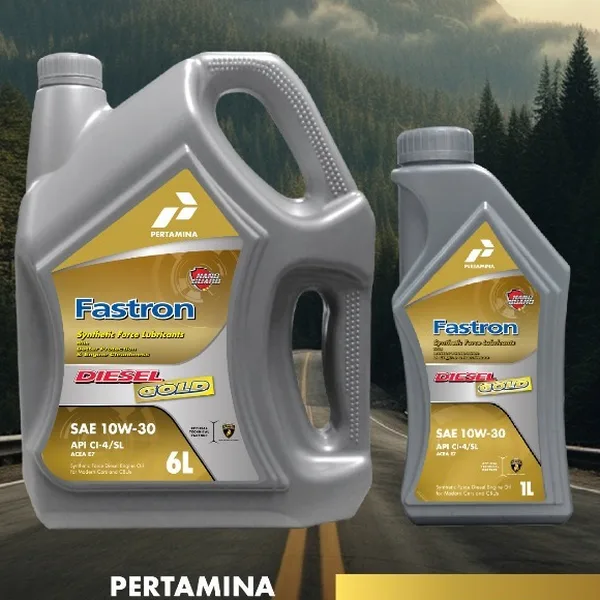
Heavy-duty diesel engines run long hours under high load and commonly use 15W-40 oil of API CI-4 or CK-4 per the manual. This section lists products whose label or seller states heavy-duty diesel or large-vehicle use.
Prices are not shown here because Shopee prices change often — use the button for the latest price and promotions.
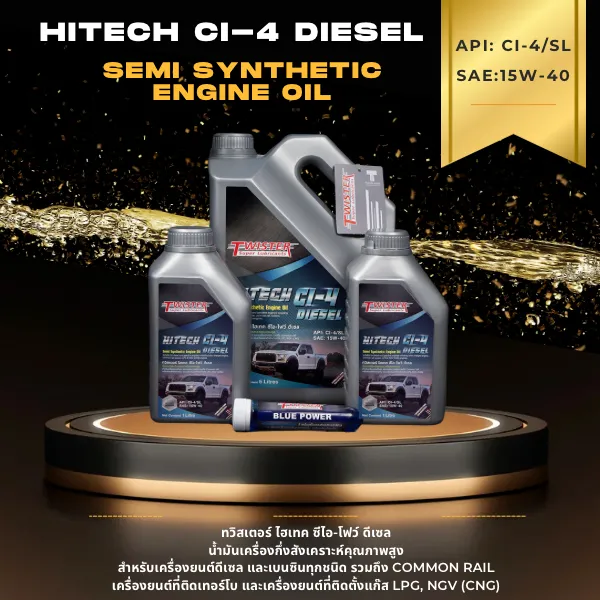
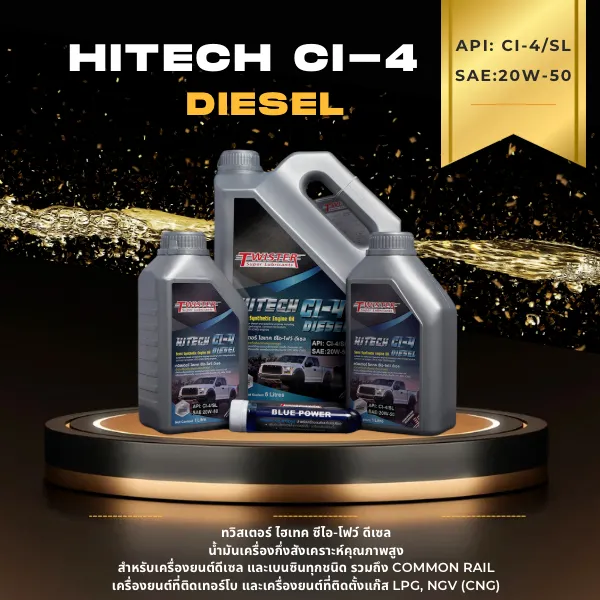
Used in: Goes in the engine · change at the manual interval
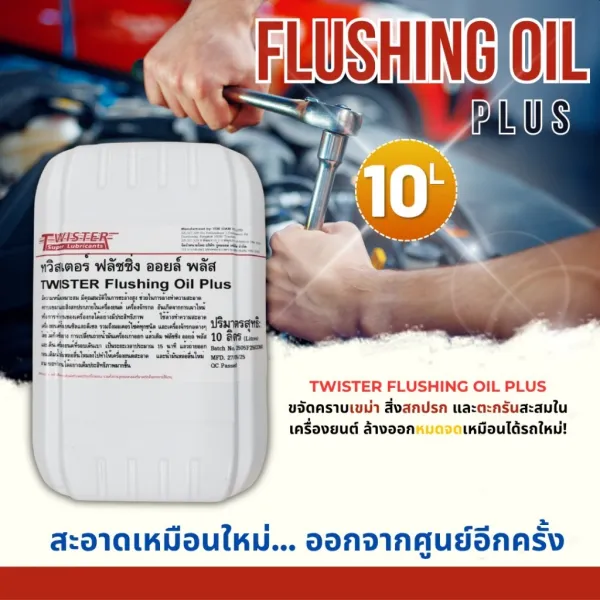
Used in: Cleans the engine before an oil change — not for driving
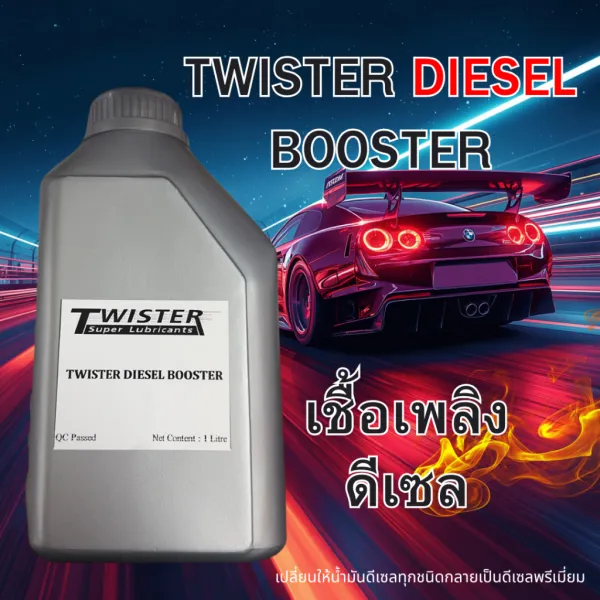
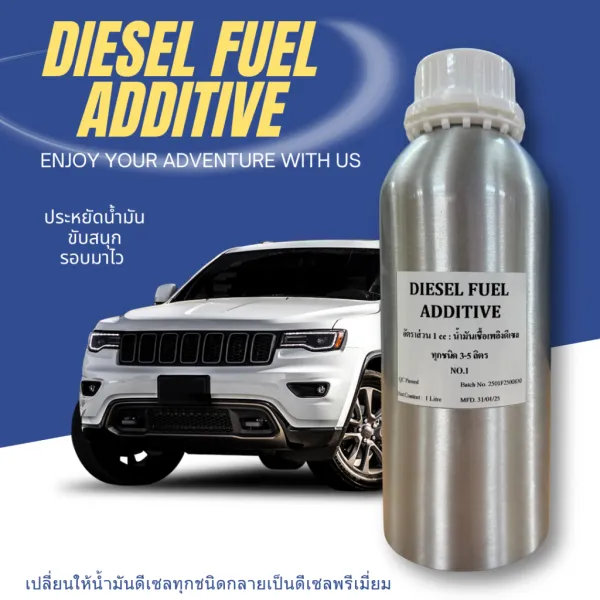
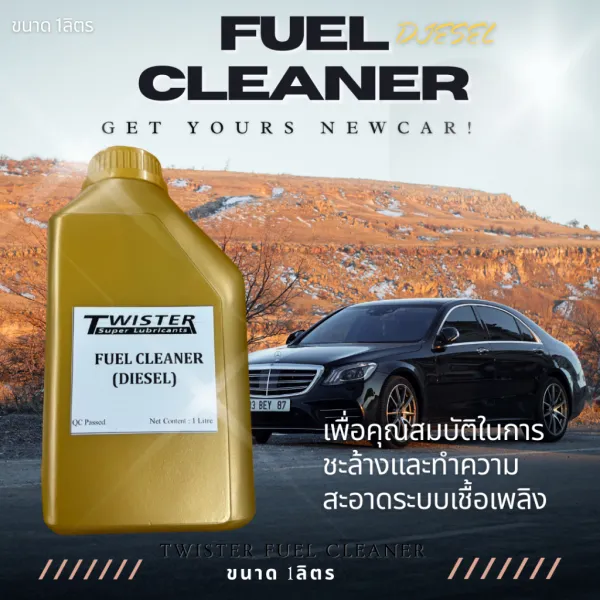
Used in: Added to the fuel tank · match diesel or gasoline

Does daily stop-and-go traffic count as severe service? Conditions from Toyota, Honda and Isuzu Thai manuals with page numbers, plus normal vs severe oil intervals.
Read guide →Diesel fuel additives help with injector deposits and fuel properties, not worn injectors, pumps, turbos or EGR. What Toyota, Isuzu and Mitsubishi manuals say.
Read guide →Bought a used car with no service history? Which of engine oil, gearbox, brake, coolant and diff oil to change now, which to inspect first, with a summary table.
Read guide →Diesel oil darkening quickly is usually normal, as dispersants hold soot in suspension. Colour does not say when to change it — follow the manual. Signs it is abnormal.
Read guide →Can a D-Max 1.9's oil level rise from diesel getting in? What the 2024 Thai manual says about DPD, what Isuzu's other-market manual says, and when to see a dealer.
Read guide →E20 can replace 95 only if your car supports it. How to check by fuel-cap label, manual or official list, plus mixing, fuel use, moisture, engine oil and additives.
Read guide →Blue smoke = oil burning, black = too much fuel, thin morning vapour can be normal steam, thick white smoke that stays = stop driving. Colour table and Thai smoke rules.
Read guide →What to do when the DPF warning appears on a Revo or Fortuner diesel, per the Thai manuals — burn-off steps, the engine oil they specify, and the Australian DPF case.
Read guide →Creamy film only under the oil cap is usually condensed moisture; milky oil on the whole dipstick may be coolant in the oil. How to tell, and when to stop driving.
Read guide →API diesel oil grades from CH-4 to CK-4, how far CK-4 can replace older ones, what FA-4 is and why it is not interchangeable, and when CL-4 and FB-4 start.
Read guide →Reading the dipstick correctly, how often to check, how much oil loss is normal, telling a leak from burning, and what not to do.
Read guide →Which oil grade a diesel pickup or PPV needs, what the Thai Toyota, Isuzu, Mitsubishi and Ford manuals actually specify, low-ash oil for DPF, and viscosity.
Read guide →How engine oil additives, fuel additives and flushing oil differ, when they may help, when they aren't needed, and how to use them without causing harm.
Read guide →How LPG/NGV engines differ from gasoline, whether you need a special oil, if you should change it sooner, and what engine oil cannot fix.
Read guide →How many kilometers or months between oil changes, how normal and severe intervals differ, whether full synthetic really stretches the interval, and signs to check.
Read guide →What the numbers and letters on an engine oil bottle mean — SAE viscosity, API grades for diesel and gasoline, and JASO for motorcycles, in plain language.
Read guide →How 100% synthetic, semi-synthetic and mineral engine oils differ, which cars benefit from full synthetic, and whether you can switch types or top up with a mix.
Read guide → Gasoline carSedans · Eco cars · Gasoline SUVs
 HybridGasoline hybrids · HEV · PHEV
 Diesel pickup / SUVPickups · PPVs · Diesel SUVs
 Manual motorcycleGeared bikes · Wet clutch · 4-stroke
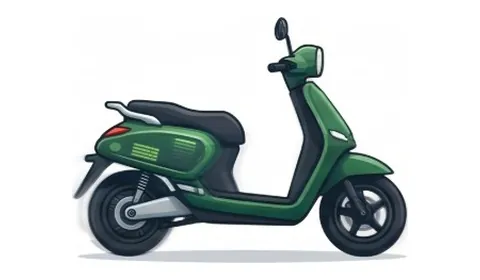 Automatic scooterScooters · CVT · Dry clutch
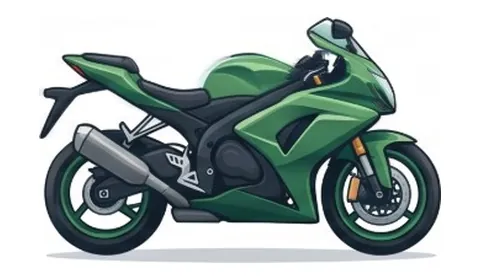 Big bikeHigh-revving · 250cc+ · Wet clutch