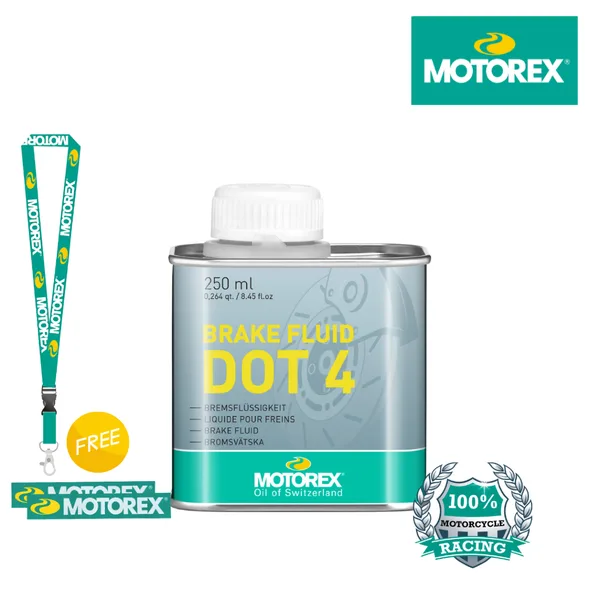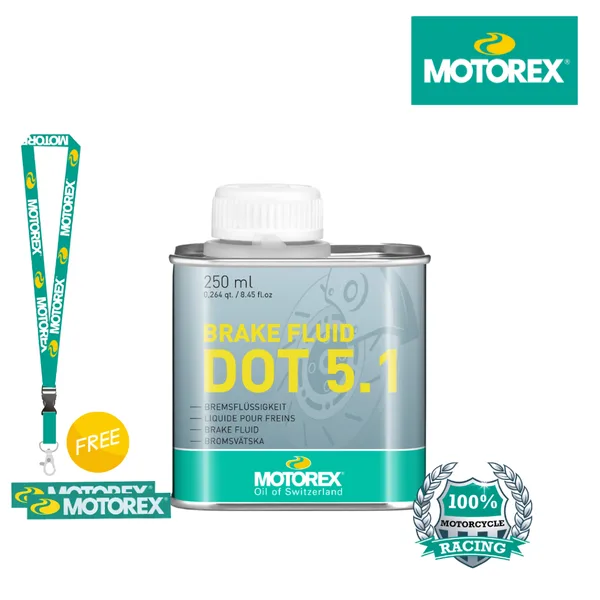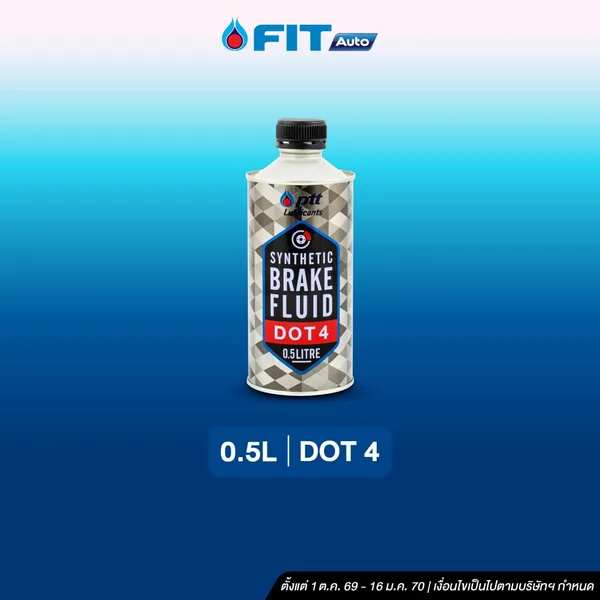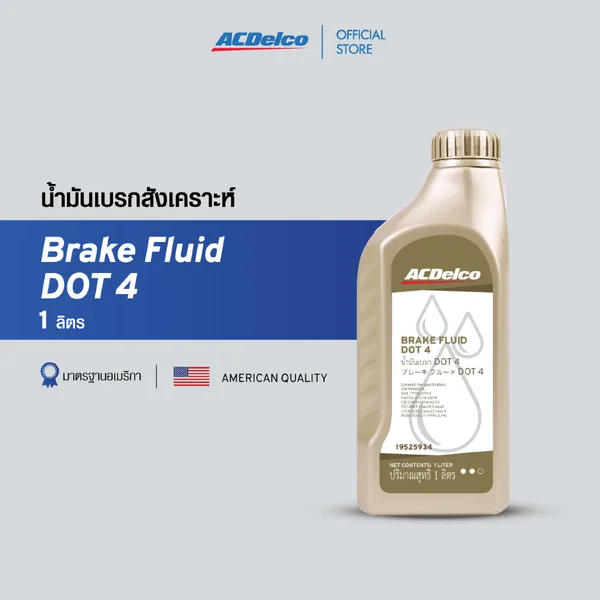
Brake fluid is the fluid people most often forget to change — its level barely drops and you can’t see it degrade — yet it’s directly tied to safety. Here’s what to know.
1. What the DOT number means
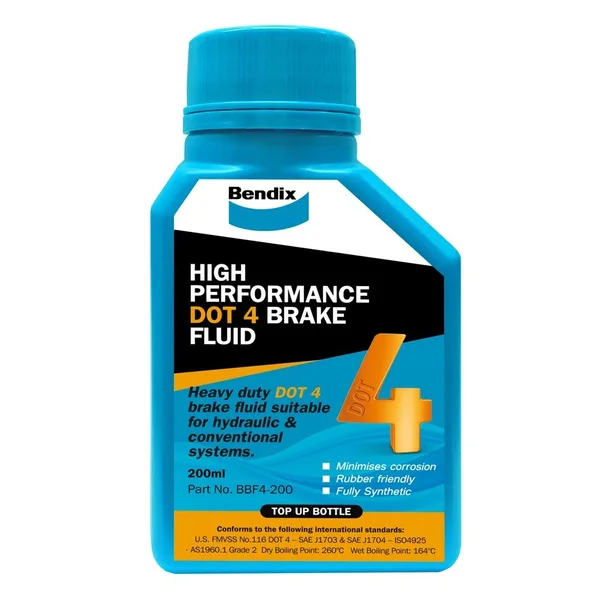
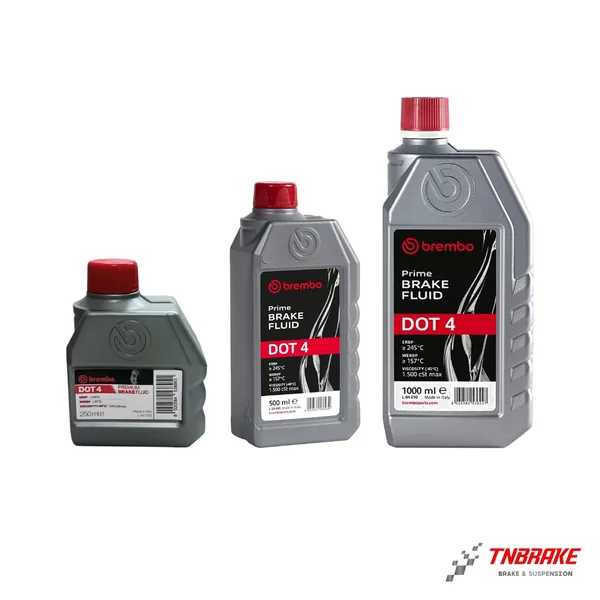
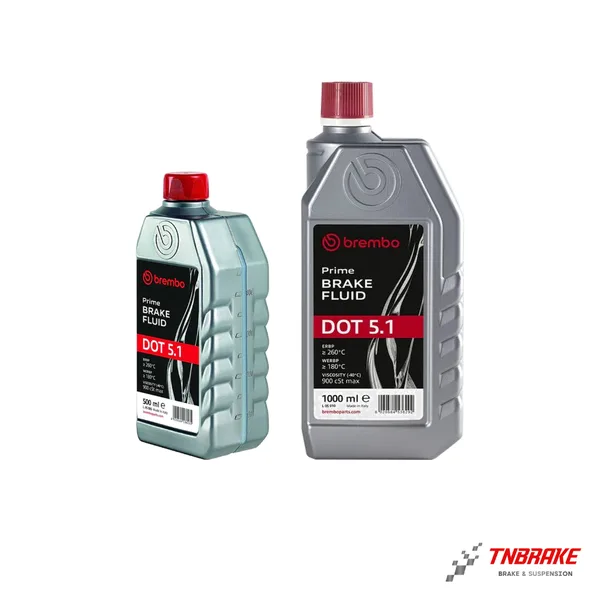
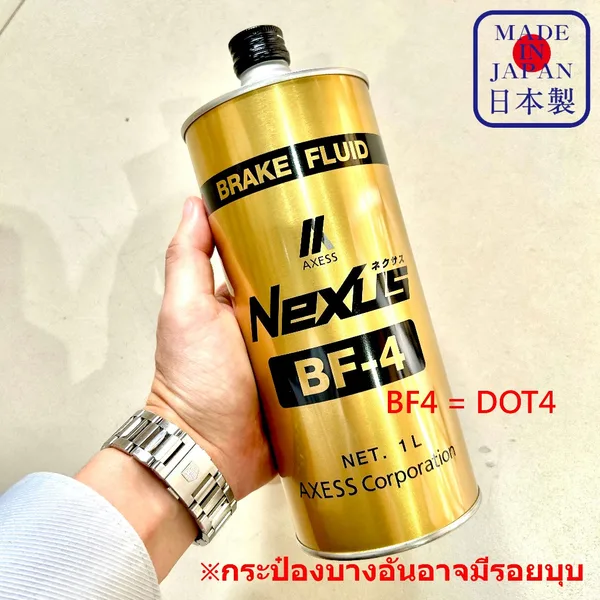
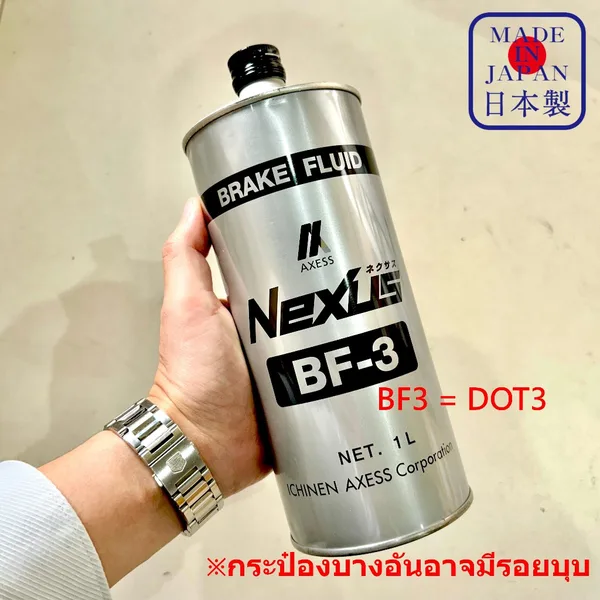
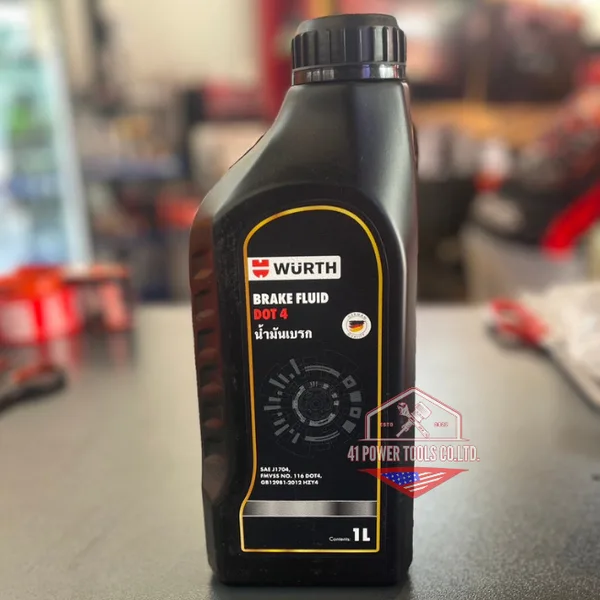
DOT is the US brake fluid standard (FMVSS 116) used worldwide. The main difference is the minimum boiling point.
| Standard | Base | Min. dry boiling point | Min. wet boiling point |
|---|---|---|---|
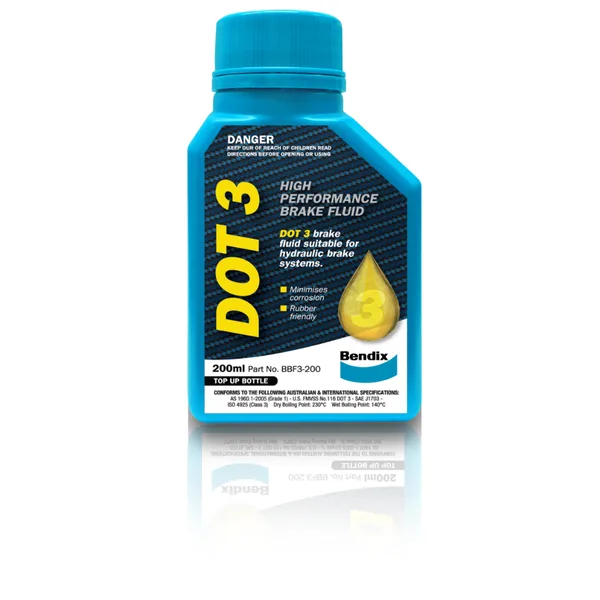
| DOT 3 | Glycol | 205°C | 140°C |
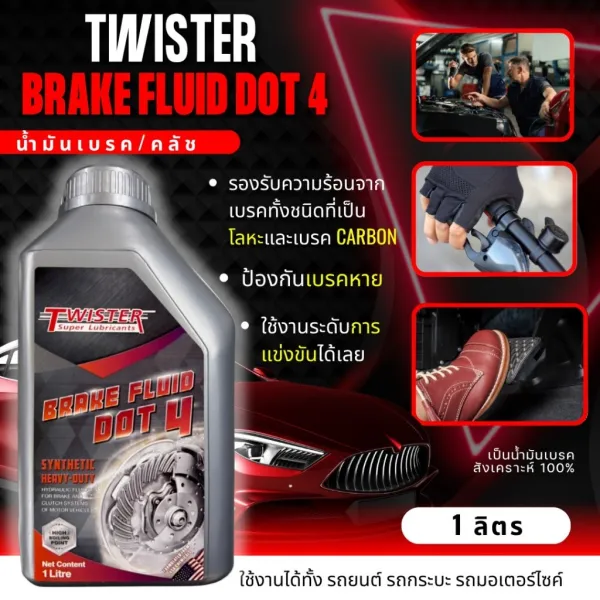
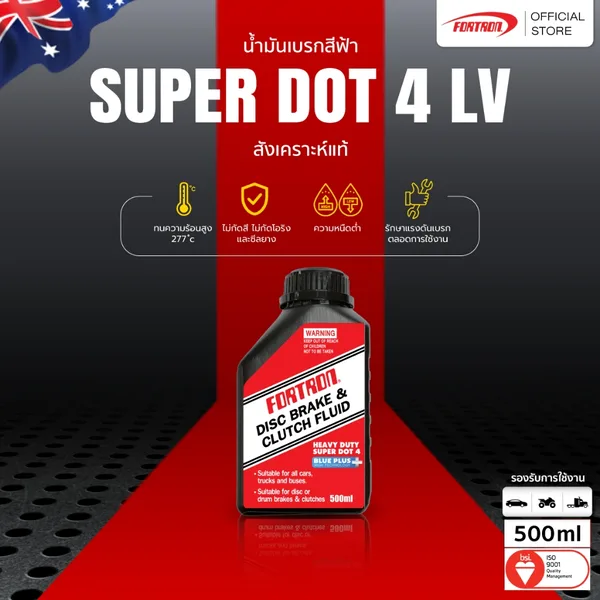
| DOT 4 | Glycol | 230°C | 155°C |
| DOT 5.1 | Glycol | 260°C | 180°C |
| DOT 5 | Silicone | 260°C | 180°C |
- Dry boiling point = fresh fluid with no absorbed moisture
- Wet boiling point = fluid that has absorbed moisture (tested at about 3.7% water)
These are the minimums the standard requires; individual products may be higher — check the label.
2. Why boiling point matters
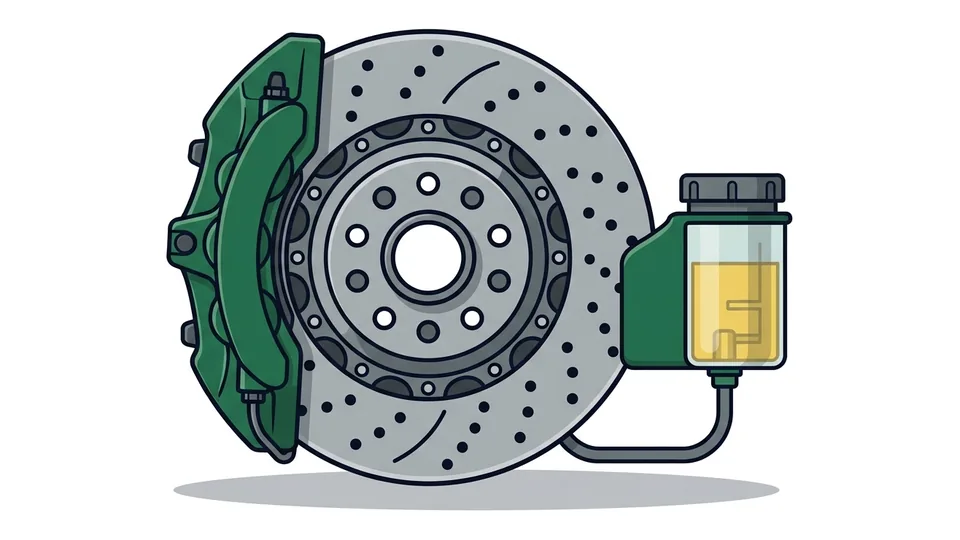
Under long, hard braking — a long downhill, for example — heat from the pads reaches the fluid. If it boils, vapor bubbles form in the lines. Vapor compresses, so the pedal sinks and the brakes fade. This is called vapor lock.
3. Brake fluid absorbs moisture — change it on time
Glycol fluids (DOT 3, 4, 5.1) absorb moisture from the air through the cap and rubber hoses. Over time the boiling point drops toward the wet figure, and moisture can corrode brake components.
- Most carmakers set a time-based interval (many say every 2 years), not a distance — check your manual
- Humid weather like Thailand’s speeds up moisture absorption; don’t stretch it
- Opened bottles absorb moisture too — close them tightly and don’t keep opened bottles long
4. Can you substitute or mix?
- DOT 3, DOT 4 and DOT 5.1 are all glycol and can be mixed, but the mixture’s boiling point drops toward the lower one
- Using DOT 4 where the manual says DOT 3 is generally fine since it’s a higher standard · if the manual says DOT 4 or DOT 5.1, don’t go down to a lower one
- Never mix DOT 5 (silicone) with DOT 3/4/5.1 — they’re incompatible, and DOT 5 is only for systems designed for it. Don’t confuse DOT 5 with DOT 5.1; they’re entirely different fluids
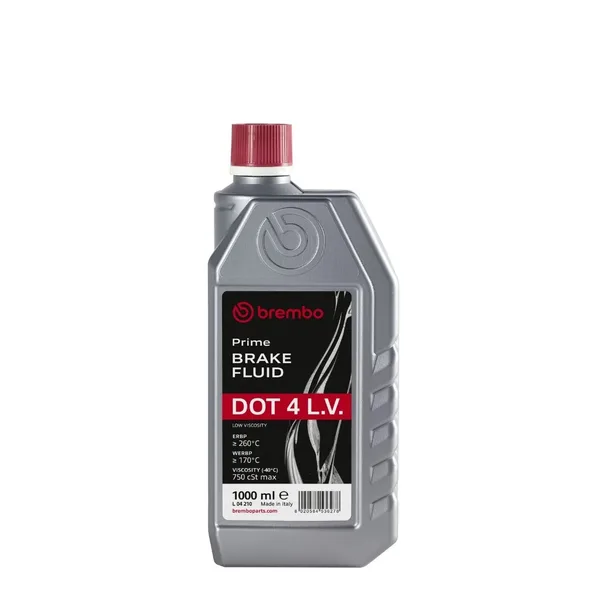
- Some cars with ABS/ESC specify a low-viscosity fluid (e.g. DOT 4 Class 6) — follow the manual
5. Care when topping up or changing
- Brake fluid damages paint — wipe and rinse spills immediately
- A slow drop in the reservoir is normal as pads wear, but a fast drop may mean a leak — have it checked right away
- Changing brake fluid means bleeding every wheel; best done at a shop with the right tools
- Motorcycles with hydraulic brakes or clutches work the same way — check the standard printed on the reservoir cap
Quick summary
- Check the manual or reservoir cap for the DOT grade; use that or higher within the glycol family
- DOT 3 / 4 / 5.1 can be mixed — DOT 5 (silicone) must not
- Change on the manual’s time schedule (many say every 2 years), even if you drive little
- Fast level drop = check for leaks now
Browse this category at Gear, brake & coolant fluids