After driving through floodwater, check the quantity and condition of the engine oil, gearbox oil, transfer case oil (4WD) and differential oil, and how the brakes work, as the Thai Toyota manual lists. If the engine stalls in the water, do not restart it — have the vehicle towed and inspected.
1. What the Thai manuals say
Both manufacturers say the vehicle is not made for flooded roads.
- Toyota Hilux Revo / Fortuner (Thai manual, 2024) — do not drive on flooded roads, because serious damage can result: engine stalling, short circuits in electrical parts and engine damage from water entering (p. 201). The manual also says the vehicle is not designed for deep floodwater.
- Isuzu D-Max (Thai manual, 2023) — the vehicle is not fully watertight, so avoid driving through water. If you cannot avoid it, check the depth first and drive slowly at a steady speed, though water may still enter the cylinders (pp. 2-52 to 2-53).
Neither manual gives a wading depth as a number, so this article does not give one either. Model pages: Hilux Revo, Fortuner, D-Max.
2. How deep is a concern
There is no official number from the Thai manuals, so use this rule of thumb.
| Situation | What to do |
|---|---|
| Shallow water, road visible, below half the wheel height, driven through slowly | Check the brakes (section 6) and look for water getting in |
| Water above half the wheel height, or the engine stalled | Treat as high risk; check every fluid in section 4 |
| Water at the doors or into the engine bay | Do not start; tow to a dealer or workshop |
The half-wheel figure and the engine-bay level come from a Thai tyre company and a Thai motor insurer, not from a vehicle manual, so treat them as guidance. The Toyota manual does say directly: once water outside is higher than half the door height, the door cannot be opened from inside because of water pressure — a danger for occupants.
3. If the engine stalls in water, do not restart
Water does not compress like air. If it has entered a cylinder and you crank the engine, the piston may be unable to push it out. This is called hydrolock and can bend connecting rods or damage other engine parts.
- Do not try to start it, even once. Motoring media and insurers we checked all advise a mechanic look first.
- If it is safe, open the bonnet and look at the air filter. If it is wet or shows a water line, water has reached the intake.
- Tow it; do not drive it.
4. Fluid by fluid
The Toyota manual has the dealer check the quantity and quality of oil and fluids for the engine, gearbox, transfer case (4WD), clutch and differentials. The Isuzu manual lists the level and deterioration of engine, gearbox, differential and transfer oils.
| Item | What you can check | If abnormal |
|---|---|---|
| Engine oil | Pull the dipstick. Milky or coffee-with-milk colour, water drops, or a level above Full means water | Do not start; have a mechanic drain and inspect |
| Automatic / manual gearbox | If there is a dipstick, check colour and level. Many automatics have none, so the dealer must check | Milky = do not keep driving |
| Front/rear differentials, transfer case | Needs the fill plug opened under the vehicle; best left to a workshop | Milky or level changed: change the oil |
| Brake fluid | Look at colour and level in the reservoir | See section 6 |
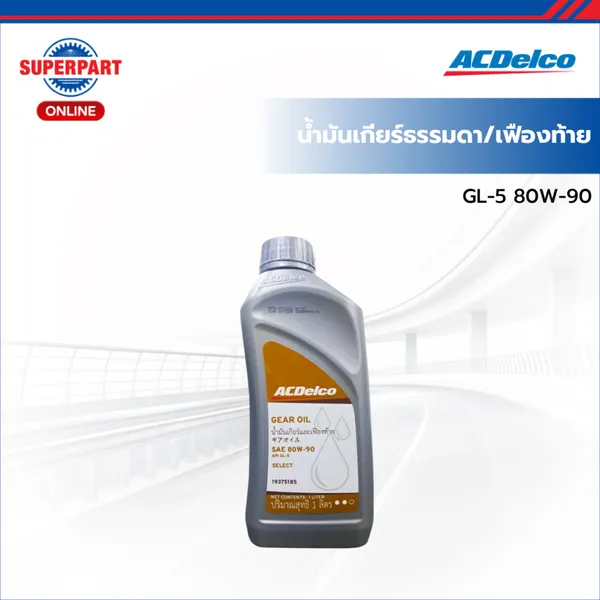
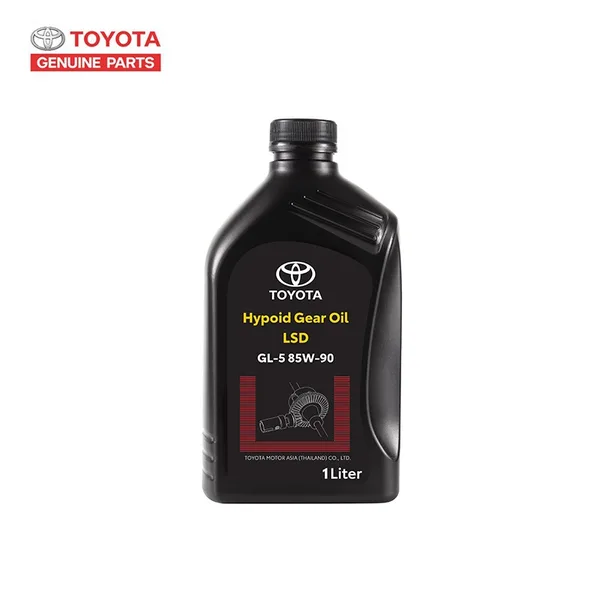
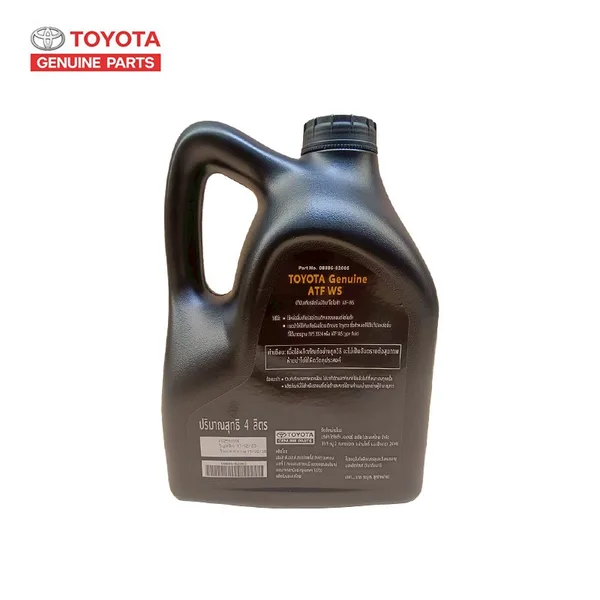
Spec examples from the Thai Hilux Revo manual: differentials take GL-5 (differential gear oil LT 75W-85), the transfer case takes Transfer Gear Oil LF 75W, and automatics take ATF WS. The Thai D-Max 1.9 manual (2024) lists API GL-5 SAE 75W-90 for the rear differential; specs vary by model and year, so follow your own manual. More on grades: Manual gearbox and differential oil and ATF change interval.
5. What to do, in order, once the water drops
- If the engine stalled in water — do not start it; arrange a tow.
- If the vehicle still drives — go slowly to a safe place, listen for noises, watch warning lights and test the brakes.
- Check the air filter and pull the engine oil dipstick.
- Have the gearbox, differentials and transfer case checked (workshop or dealer).
- Check brakes, electrics and lubrication points. The Isuzu manual lists brake performance, water in drum or disc brakes, engine damage and electrical short circuits.
- Change any oil that contains water before using the vehicle again.
6. Brakes after water
The Isuzu manual says water can get into the brakes and reduce their performance; slow down and press the pedal lightly until they dry and work normally. The Toyota manual has the dealer check brake operation after driving on flooded roads.
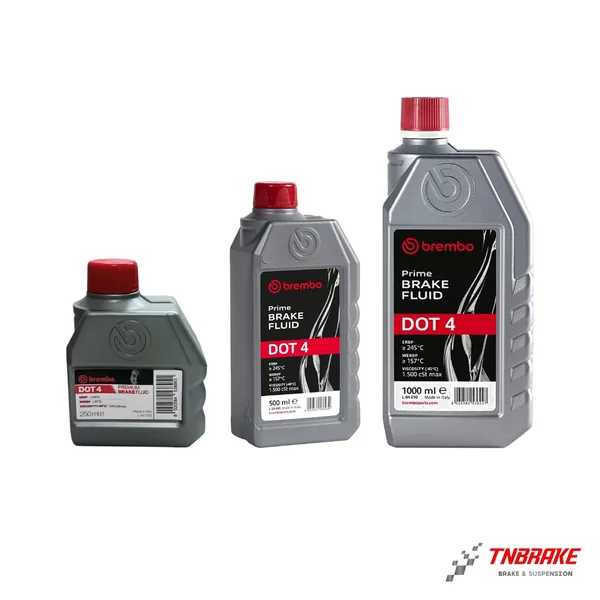
If the brakes still do not hold after gentle braking, or the pedal feels unusually soft or low, stop driving and have a dealer or workshop inspect. Glycol brake fluid already absorbs moisture over time; see Brake fluid DOT. If you suspect water in the fluid, let a mechanic decide on replacement.
7. Driving through water with less risk
- Avoid it first. Even driven correctly, the Isuzu manual says water can still enter the engine.
- Check the depth first. If you cannot see the ground or do not know the depth, do not go in.
- Drive slowly at a steady speed (Isuzu manual).
- Do not enter water that may keep rising (the Toyota manual warns about this).
- Afterwards, check lubrication of the propeller shaft, joints and bearings. The Toyota manual lists this, and warns that on manual models grease can be washed out.
Quick summary
- The Thai Toyota/Isuzu manuals give no wading depth and warn that water can enter the engine even when driving slowly.
- Engine stalled in water = do not restart; tow it for inspection.
- Check engine, gearbox, transfer case and differential oil for a milky look or a higher level.
- Test the brakes lightly to dry them; if they still do not hold, stop driving.
- Change any oil that contains water, using the grade in your manual.
See products in gear oil · brake · coolant