The cooling system carries heat away from the engine. If it fails, the engine can overheat badly enough to warp the cylinder head. Choosing and filling coolant correctly prevents most of these problems.
1. Why not just use water?
Coolant isn’t only antifreeze for cold countries — it matters in Thailand too, because it:
- Prevents rust and corrosion in the radiator, water pump and engine passages, which mix aluminum, iron and brass
- Raises the boiling point of the system, reducing the chance of boiling in hot traffic
- Reduces scale from minerals in tap water
Adding plain water in an emergency is fine, but switch back to coolant soon — water dilutes the coolant already in the system.
2. Premixed vs concentrate
| Type | How to use | Best for |
|---|---|---|
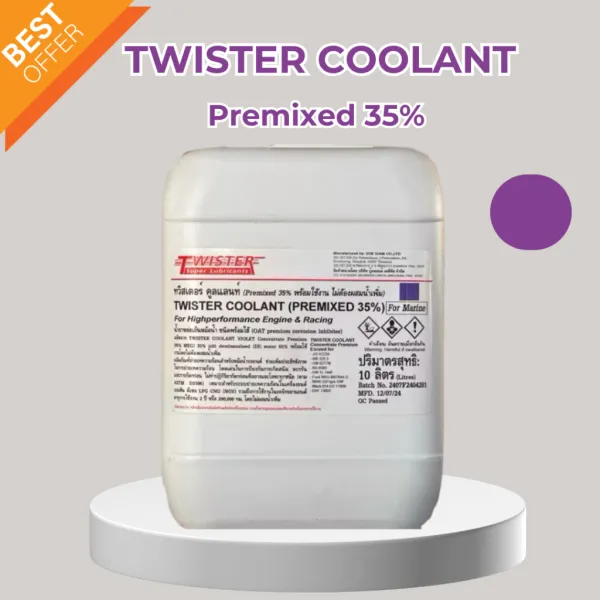
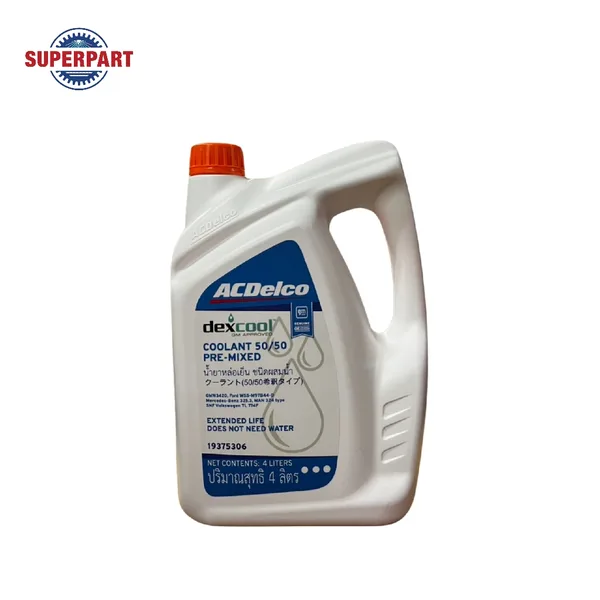
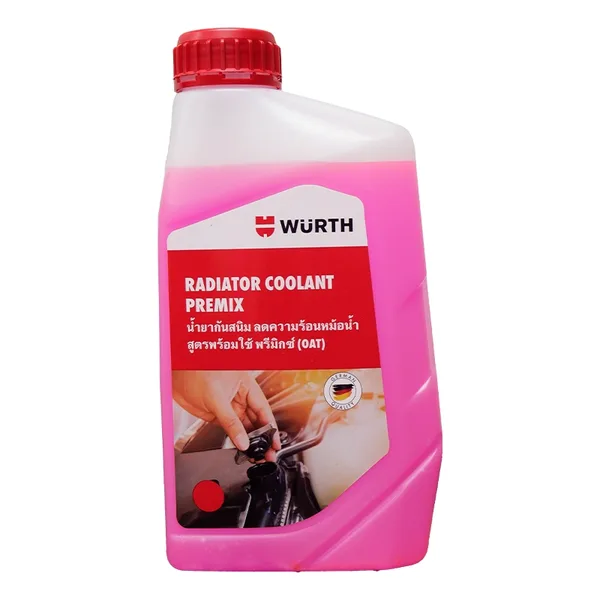
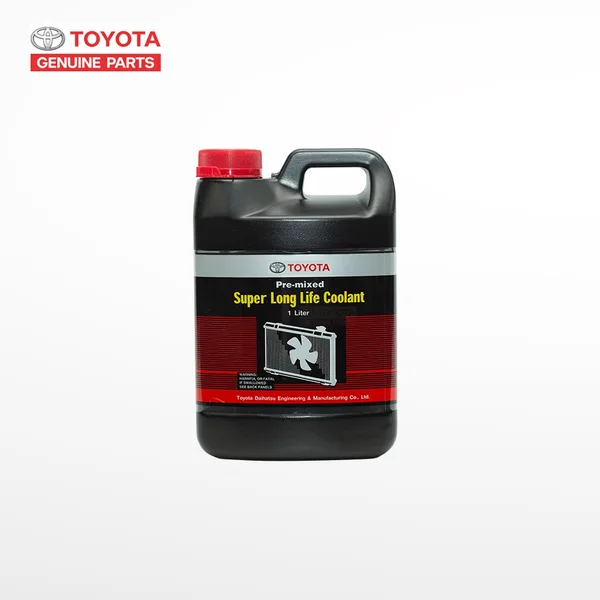
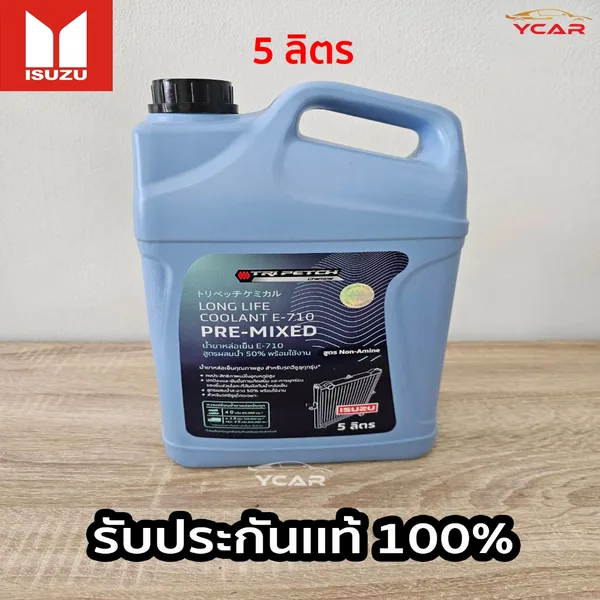
| Premixed | Pour in directly — no water needed | Topping up or refilling without calculating ratios |
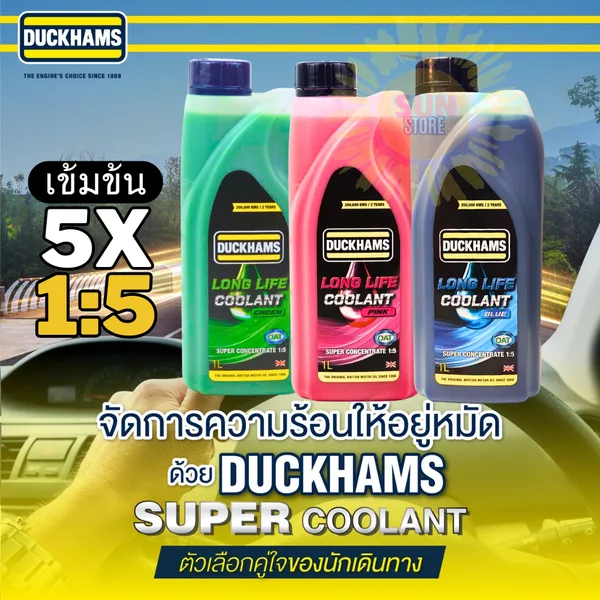
| Concentrate | Mix with water at the ratio on the label | Shops, or anyone who wants to set the ratio themselves |
A common mistake is adding water to premixed coolant, leaving it weaker than intended. With premixed, fill straight from the bottle. With concentrate, use distilled or RO water rather than tap water to reduce minerals.
3. What the color tells you
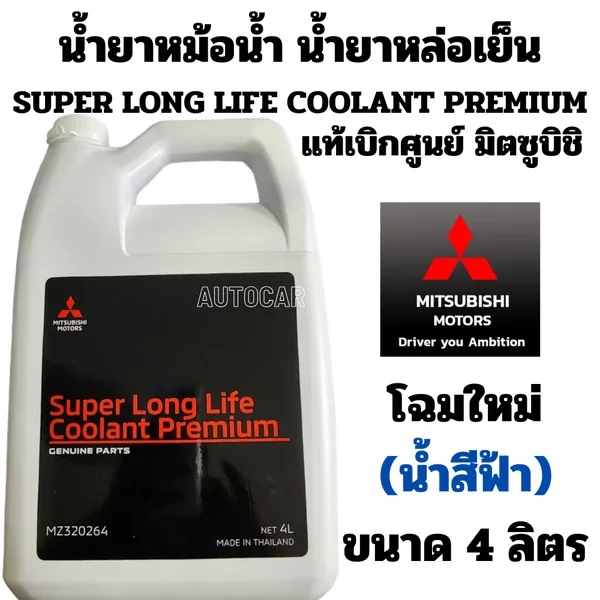
Coolant color is a dye that makes the level and leaks easy to see, but there’s no universal standard linking a color to a chemistry. The same color from different brands may be different formulas.
What really matters is the label — which formula it is and which vehicles it’s for.
4. Mixing brands or colors
- Topping up → use the same brand/formula already in the system; if you don’t know what’s in the car, don’t guess
- Switching formula → drain the old coolant completely and flush the system before refilling. Incompatible formulas can react and form sludge or gel that blocks hoses and the radiator
- Change interval → see your manual; coolant ages over time as its corrosion inhibitors are used up
5. Checking the level safely
- Only check when the engine is cold — never open the radiator cap when hot; the system is pressurized and hot coolant can spray out
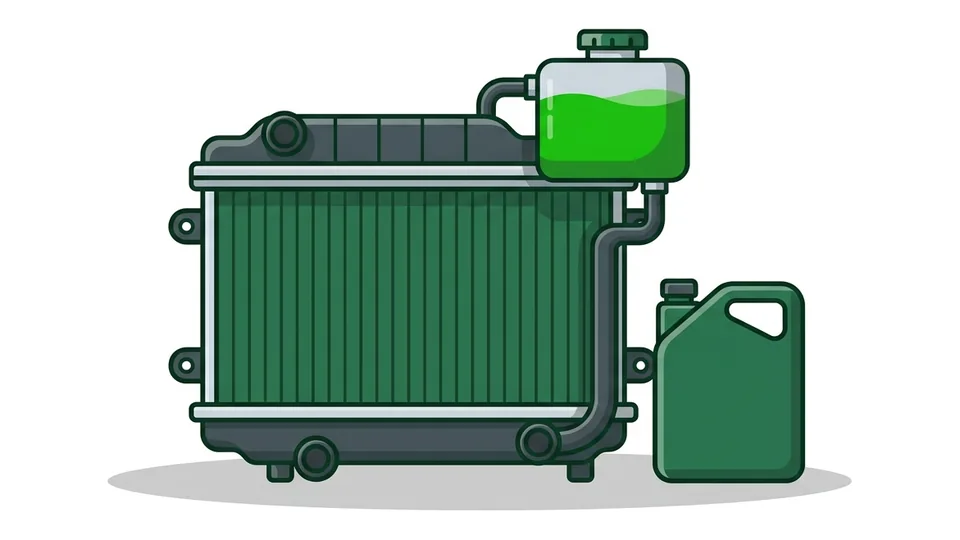
- Check the level in the overflow reservoir, between MIN and MAX
- If you need to top up unusually often, or see coolant-colored residue on hoses or under the car, there may be a leak — have it checked
- If the temperature gauge climbs abnormally while driving, pull over somewhere safe and switch off; don’t keep driving
Quick summary
- Use coolant, not plain water — rust protection, higher boiling point, less scale
- Never add water to premixed · mix concentrate per label with distilled water
- Color isn’t the formula — read the label · top up with the same formula · switching means drain and flush
- Check when cold, at the overflow reservoir
Browse this category at Gear, brake & coolant fluids