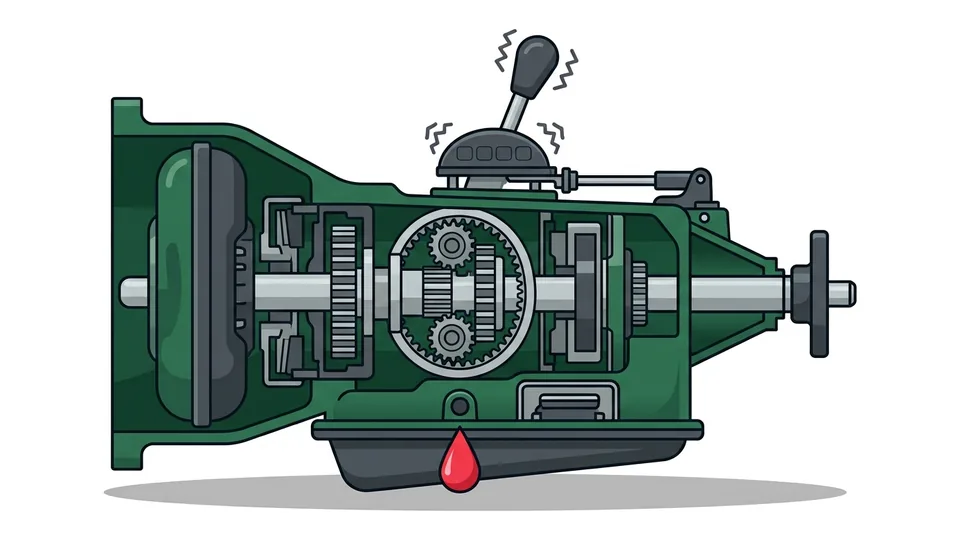
When an automatic gearbox jerks or slips, the fluid can be a cause, but it is only one of several. Changing the fluid does not repair damaged parts, and symptoms alone cannot settle the diagnosis: a technician has to inspect it. This guide shows which symptoms can wait, which mean stop, and where the fluid fits in.
1. Symptoms and what to do first
| Symptom | What to do |
|---|---|
| Slow or jerky engagement into D or R | Note whether it happens cold or warm, then book a dealer or gearbox specialist soon. Do not top up or change the fluid yourself first |
| Harsh or shuddering shifts | Same as above, and check your manual for the fluid type your car uses |
| Engine revs rise but the car does not move, or it feels like slipping | Do not keep driving far. Take it to a dealer (call a tow truck if unsure) |
| Gearbox or transmission fluid temperature warning light on | Stop somewhere safe and contact a service centre. Light names and wording differ by model, so check the warning-light chapter of your manual |
| Burning smell from the gearbox area | Have it inspected before driving on |
| Red stains under the car | Put cardboard under the car to locate the drip, see Fluid leaks under the car |
A note on warning lights: we found no checkable Thai-manual text saying what each model’s gearbox light requires. The advice to stop and call the service centre is a precaution, not a quote from any model’s manual.
2. Possible causes
These symptoms can come from several groups, each with different levels of supporting evidence.
- Low fluid level or a leak — ZF, a gearbox maker, states that if the fluid level is too low the transmission will be damaged.
- Too much fluid — ZF states that if the level is too high, the excess leaks out through the overflow when hot and can ignite on hot parts such as the exhaust. The Thai Camry manual also warns against overfilling automatic transmission fluid.
- Fluid degraded by heat — ZF states the fluid ages faster at very high temperatures, for example frequent fast driving or trailer towing.
- Heat from use — The Thai Camry manual warns not to use gear positions 2 or L for long, continuous hill climbing or heavy towing, because the gearbox may overheat and be severely damaged.
- Wrong fluid — see section 5.
- Software and other gearbox parts — a technician must read data with proper tools to separate these. We have a source for only one case (section 4), so we do not go into detail on other parts.
3. What you can check yourself
- You can: look for stains or drips under the car, note when the symptom happens, read the dashboard warnings, and open the manual to see which gearbox fluid your car uses.
- Many models have no dipstick: the Thai Camry manual’s engine-bay parts list shows only the engine oil dipstick, not a gearbox one, and most ATF WS gearboxes have no dipstick. Level setting follows the service-manual procedure. The Thai Ford Ranger manual refers to dipstick marks for its 10-speed gearbox. So read your own manual rather than guess.
- Do not adjust the level yourself without the tools: too low damages the gearbox, too high lets fluid spill onto hot parts, and drained fluid can be hot enough to scald (ZF). Details in How often to change ATF.
4. When fluid helps and when it does not
| Situation | Does fluid help? |
|---|---|
| Low level | Correcting the level helps stop damage from a low level, but if it is low because of a leak, the leak must be found and repaired |
| Fluid degraded by heat | In some cases the maker has diagnosed it as fixable this way, see the example below, but that is model-specific |
| Wrong-spec fluid | Replace with the specified fluid, following the procedure the dealer or gearbox shop recommends |
| Burning smell and large metal pieces in the fluid | Not a fluid problem. ZF’s procedure says stop and send the gearbox for inspection |
An example from abroad (US market): American Honda issued a service bulletin for the 2012–2013 Acura MDX in the US about a judder while driving at 20–60 mph. It was typically diagnosed as a bad torque converter, but Honda found it was caused by transmission fluid deteriorating faster than expected under intermittent high heat. The temporary fix was draining and refilling three times, and Honda was developing software to keep fluid temperature in range. This applies to that model and market. It does not mean cars in Thailand have the same problem. If in doubt, ask your brand’s service centre.
The lesson: the same symptom can come from the fluid, software or parts, and only a technician with tool data can tell which.
5. Wrong-spec fluid: what is at risk
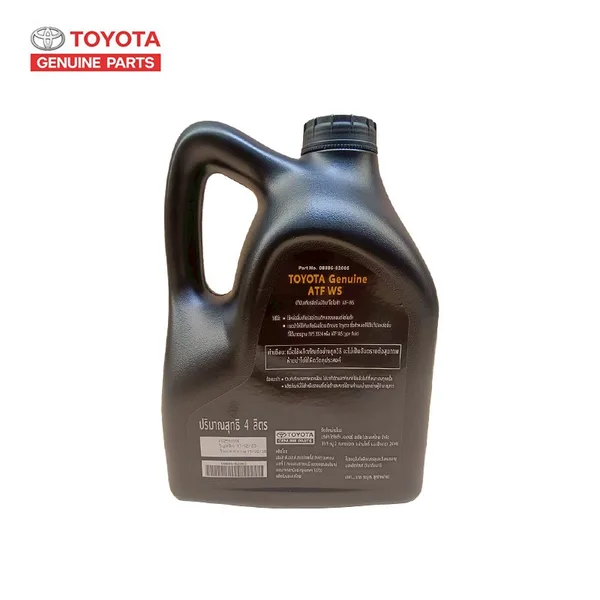
The Thai Camry manual warns that using any ATF other than Toyota Genuine ATF WS may degrade shift quality, cause shudder when engaging gear, and severely damage the gearbox. ZF says for its own gearboxes that using other oils can lead to effects from significantly worse shifting to transmission failure.
Spec names differ by brand and cannot be swapped by name. Examples from the car data on this site (from Thai manuals):
| Car | Automatic gearbox fluid per manual | Interval in manual |
|---|---|---|
| Toyota Camry ACV40 | Toyota Genuine ATF WS (JWS 3324) only | Inspect at 40,000 / 80,000 km; no replacement in the normal schedule |
| Toyota Fortuner / Hilux Revo | Toyota Genuine ATF WS | Inspect every 40,000 km; no replacement in the normal schedule |
| Isuzu D-Max 1.9 | ISUZU ATF WSI (or Tri Petch ATF WSI) only | Inspect every 120,000 km; severe use: replace every 80,000 km |
| Ford Ranger 2.0 diesel | 10-speed: MERCON ULV · 6-speed: MERCON LV | See manual |
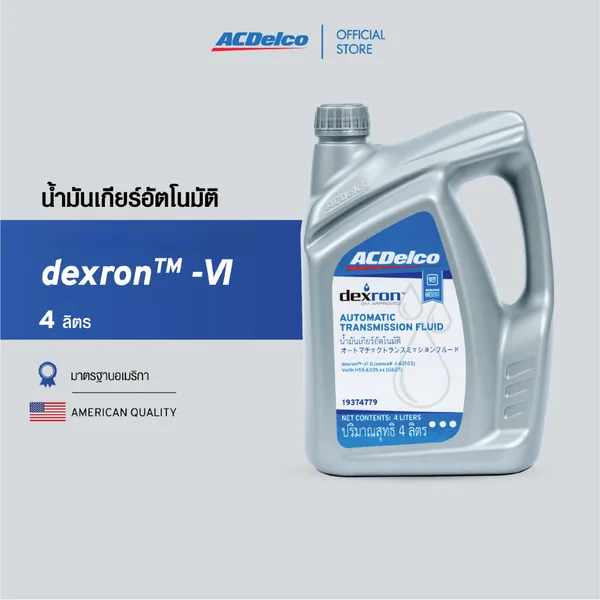
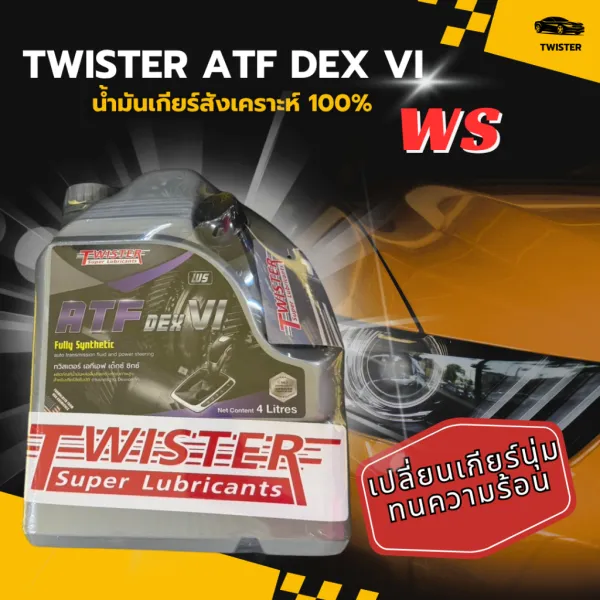
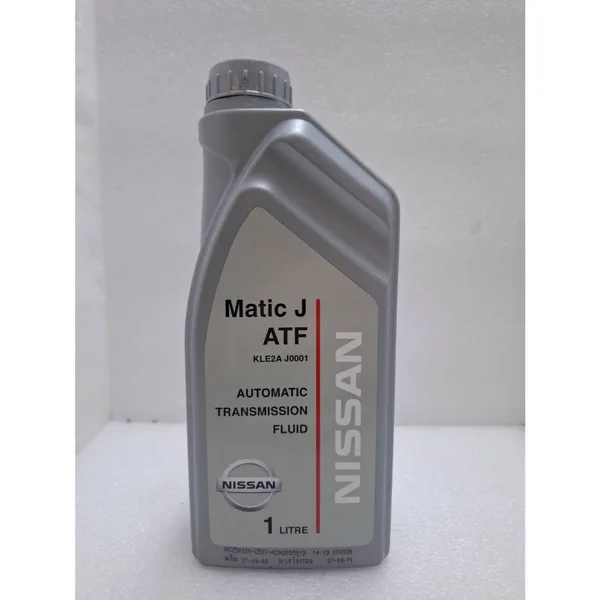
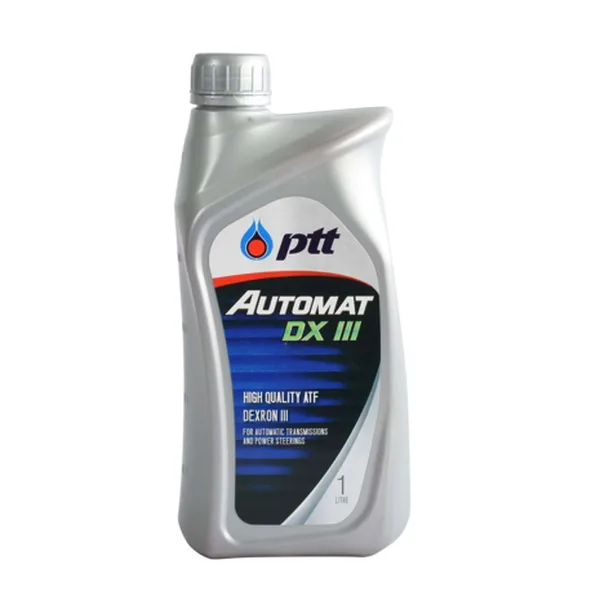
Nissan has several gearbox fluids (Matic D, J, S, W, and NS for CVTs) that are not interchangeable, so match the name to your manual. As for DEXRON VI, one oil maker (LE, Lubrication Engineers) says it is backward compatible with transmissions that originally specified earlier DEXRON fluids, but if the car specifies a carmaker’s own fluid such as ATF WS or WSI, follow the manual. If you want another brand, ask the dealer first. CVTs use a different fluid, see ATF vs CVT fluid.
6. “High-mileage car, never changed ATF, changed it and the gearbox died” — true?
We found no official evidence that changing the fluid damages a gearbox that was never serviced. Please consult the dealer first. What we can source is limited to this:
- ZF says that if the vehicle’s history is unknown, a shorter change interval may be worth considering.
- In ZF’s oil-change procedure, if the drained fluid smells burnt or has large metal chips, stop and send the gearbox for inspection.
- The Thai Camry manual says that in general the gearbox fluid needs replacing only when driving under the severe conditions in the maintenance schedule.
If your car already has symptoms, inspect the gearbox first rather than changing fluid first, so a real fault is not masked.
7. Gearbox additives do not repair symptoms
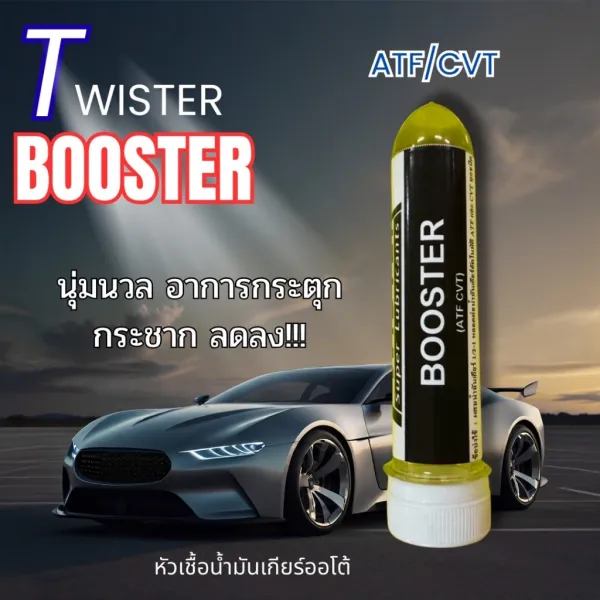
Booster ATF / CVT is an additive, not a transmission fluid. By its product data it cannot replace scheduled fluid changes and does not fix problems caused by damaged gearbox parts. ZF says not to add additives to its gearboxes because they alter the oil’s composition. If the car is under warranty, check the warranty terms first. Do not use an additive hoping to cure jerking or slipping.
Quick summary
- Fluid is one cause among several. Low level, overfill, heat-degraded fluid and wrong spec all matter, but parts and software can cause the same symptoms.
- Revs rising without moving, gearbox warning light, burning smell → stop somewhere safe and contact a service centre.
- Many gearboxes have no dipstick. Do not adjust the level yourself: low damages the gearbox, too much spills onto hot parts.
- Match the spec name in your manual. ATF WS, WSI, MERCON and Matic are not interchangeable by name.
- Additives do not repair a gearbox and do not replace scheduled changes.
- “Never changed, changed and it broke”: no official evidence found. Consult the dealer first.
See products at Transmission, brake and coolant fluids