Manual gearbox and differential oils are easy to forget because they don’t need changing as often as engine oil. But the wrong grade, or oil left in too long, can cause hard shifting, whining or faster wear.
1. Reading a gear oil label
Gear oil has two key values on the label:
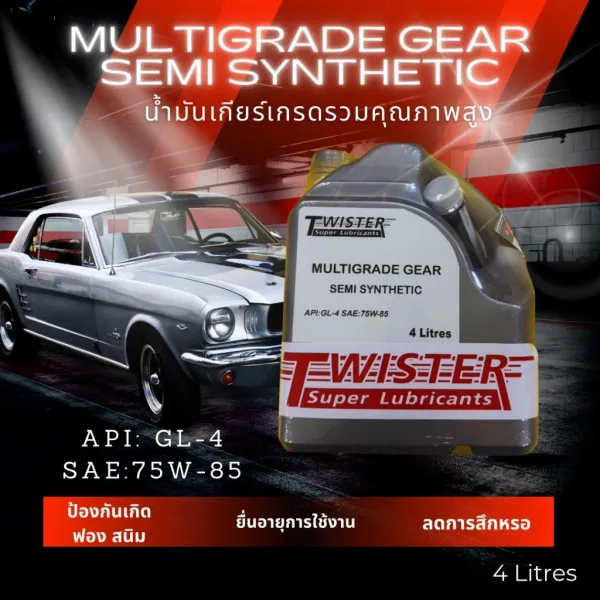
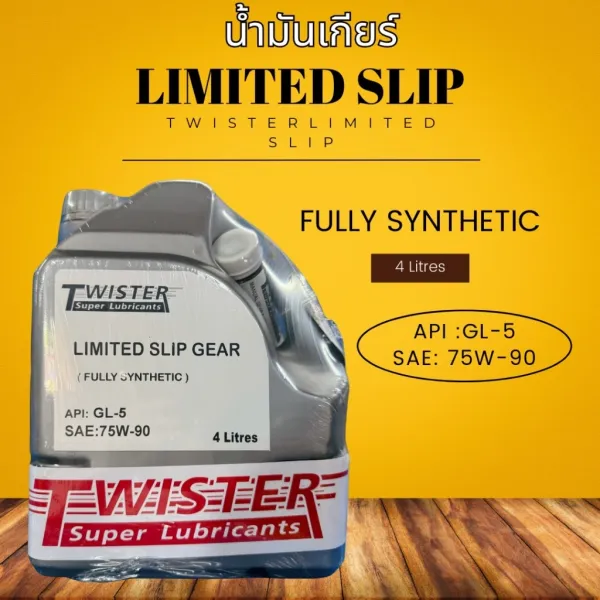
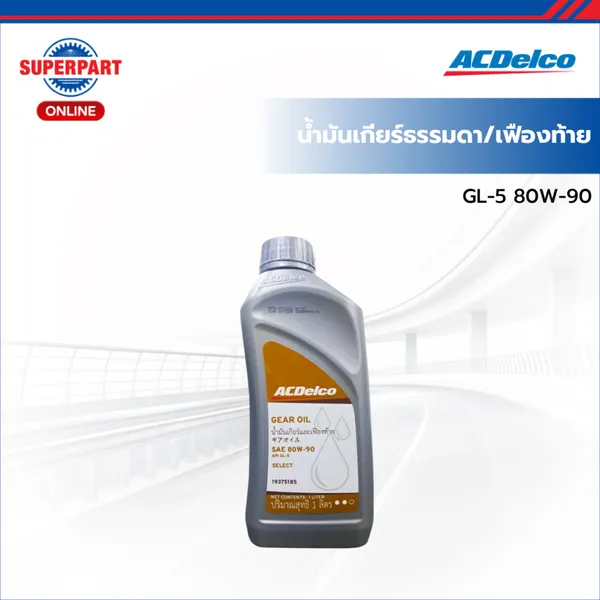
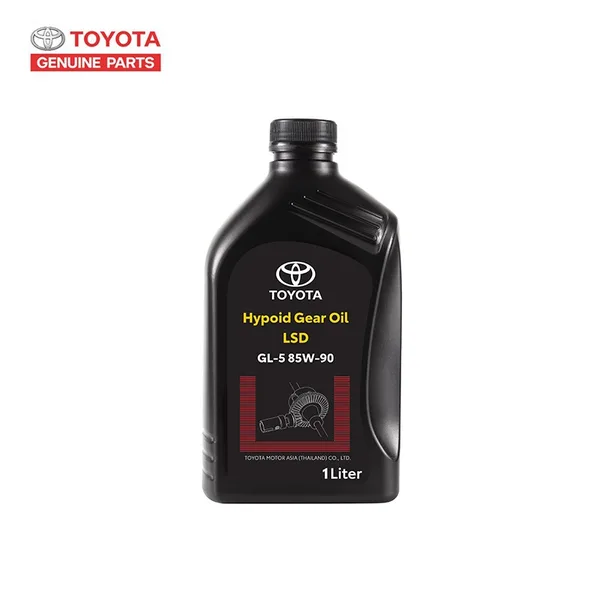
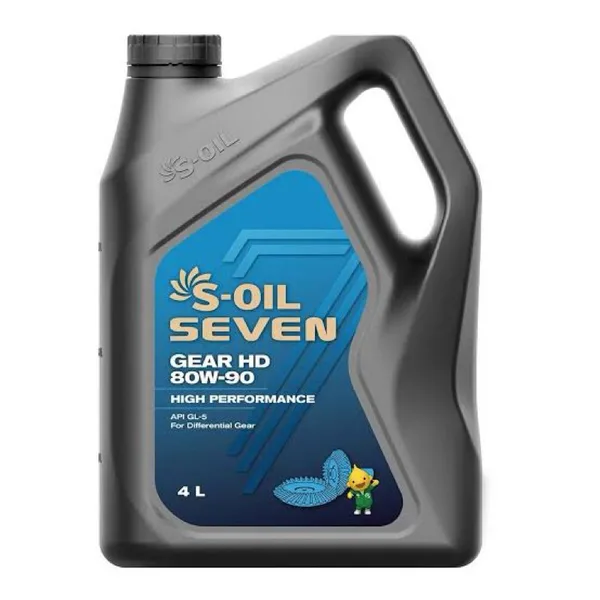
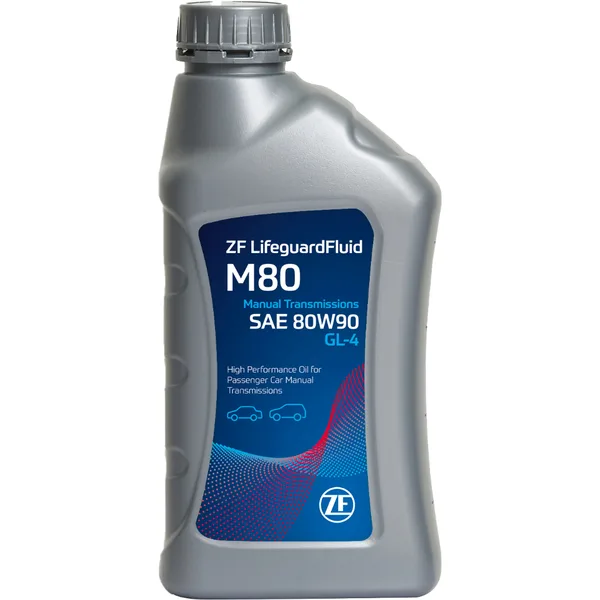
- API GL grade — the gear load-carrying level. The common ones are GL-4 and GL-5.
- SAE viscosity — e.g. 75W-85, 75W-90, 80W-90. This is a different scale from engine oil, so the numbers can’t be compared directly.
2. Are GL-4 and GL-5 interchangeable?
| GL-4 | GL-5 | |
|---|---|---|
| Extreme-pressure (EP) additives | Moderate | Higher |
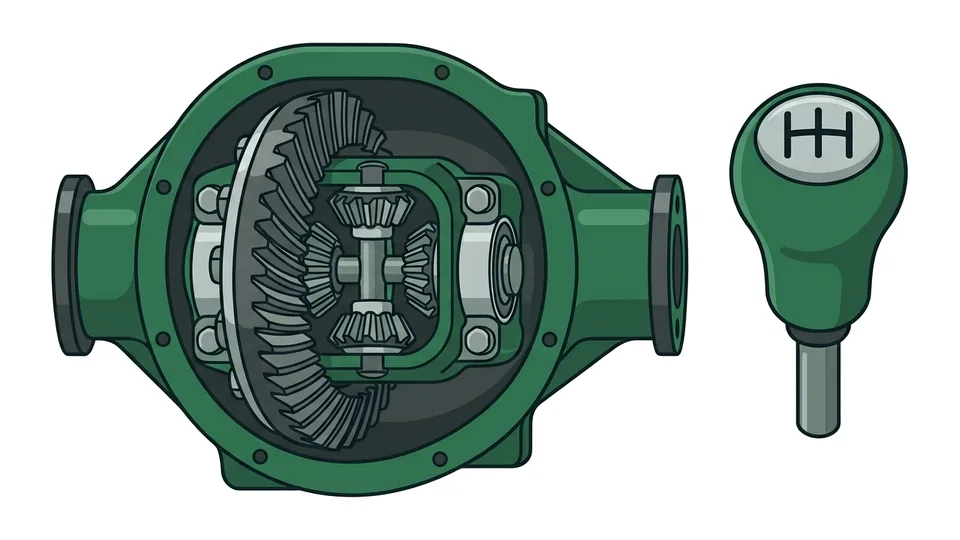
| Typically used in | Manual gearboxes with synchromesh | Hypoid differentials under high load |
Don’t assume GL-5 is “better” and can always replace GL-4. Some manual gearboxes have brass-alloy synchronisers, and the high EP content of some GL-5 oils can wear them or make shifting notchy. Using GL-4 in a differential that calls for GL-5 may not give enough load protection.
Some oils state both GL-4 and GL-5 on the label and can be used where the oil maker says both apply. If in doubt, follow your owner’s manual.
3. Watch out for
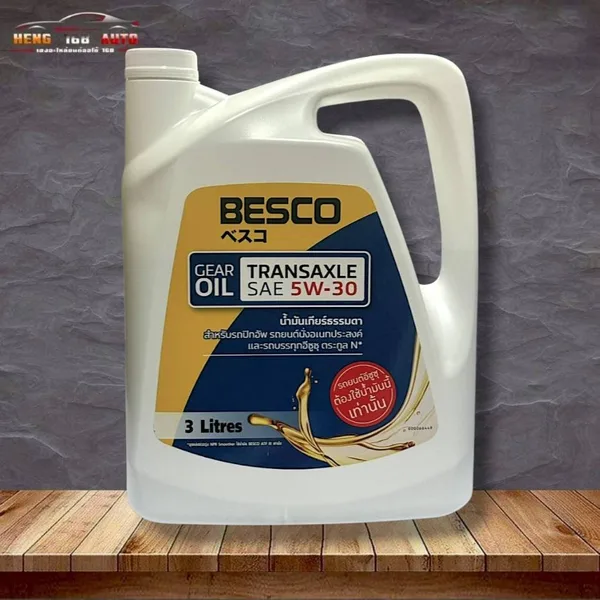
- Some manual gearboxes don’t use gear oil at all — they take a dedicated manual transmission fluid (MTF) or even ATF as the carmaker specifies. Check the manual; don’t guess from “manual”.
- Limited-slip differentials (LSD) need an oil rated for LSD, or an LSD additive as the carmaker specifies. The wrong oil can cause chatter or judder in turns.
- Pickups and 4WDs have several separate units — gearbox, rear diff, front diff and transfer case — which may each use a different spec.
4. When to change
- Per your owner’s manual — this varies widely. Some models only call for inspection; others give a fixed interval.
- Sooner under severe use — heavy loads, towing, frequent dirt roads or off-roading.
- After deep water crossings — water can enter a differential through its breather. If the oil looks milky, change it right away.
5. Signs to check
- Hard or grinding shifts, especially when cold
- A whine from under the car that rises with speed — often the differential
- Oil around the gearbox or differential housing → a leak; the level may be low
Quick summary
- Manual gearbox → usually GL-4, but check the manual; some use MTF or ATF
- Differential → usually GL-5; limited-slip needs LSD-rated oil
- GL-5 is not always a substitute for GL-4
- Milky oil after wading → change immediately
Browse this category at Gear, brake & coolant fluids