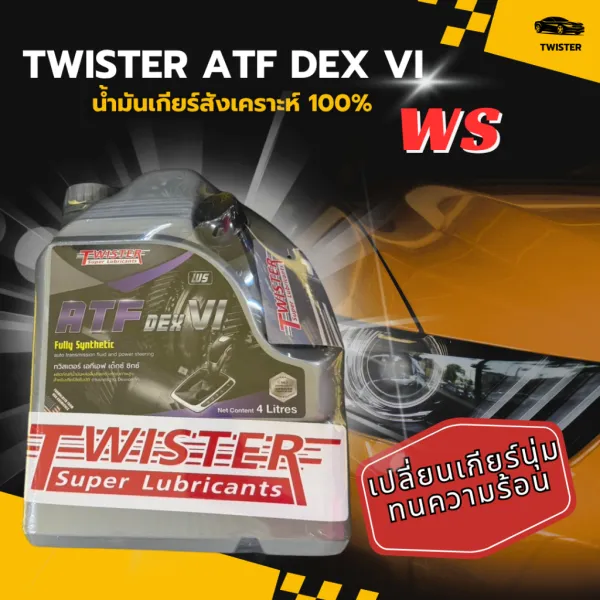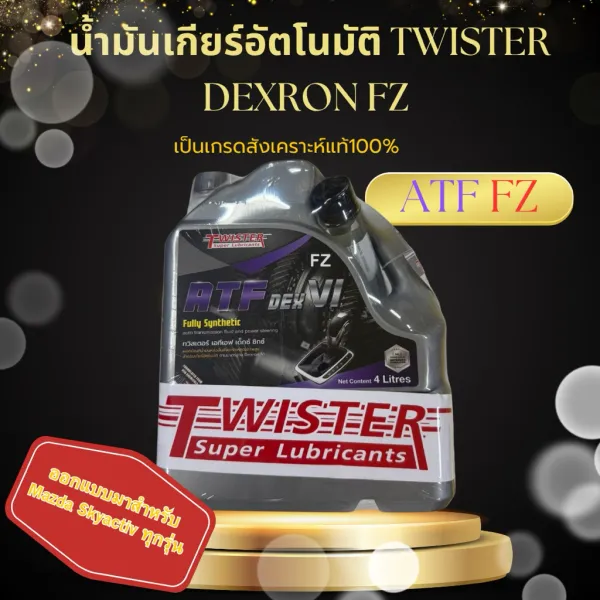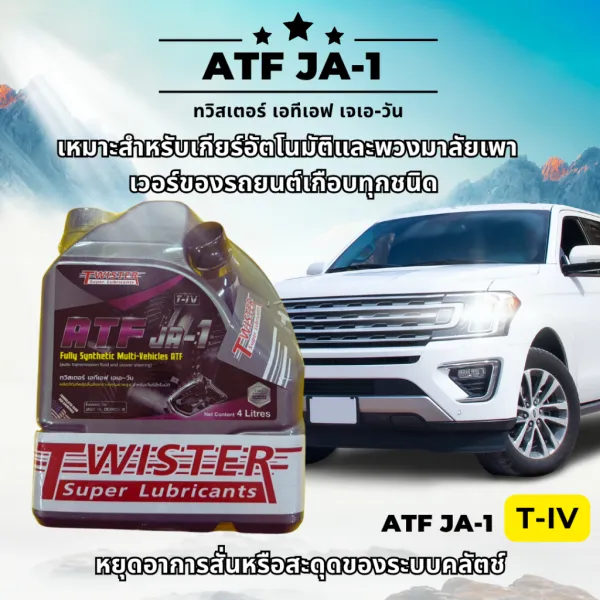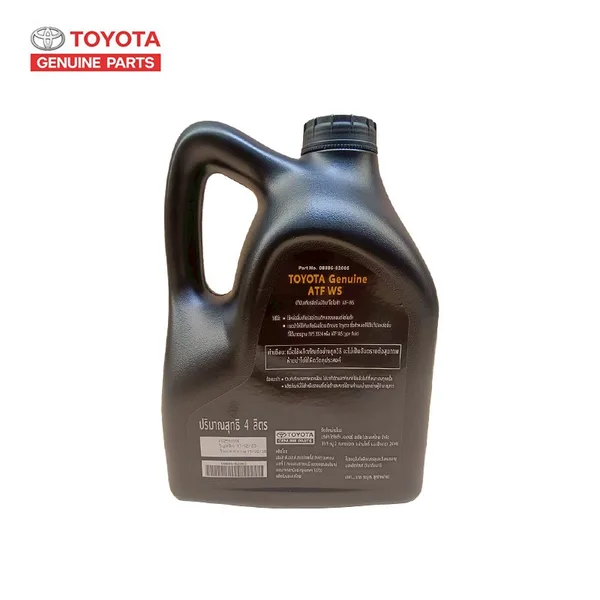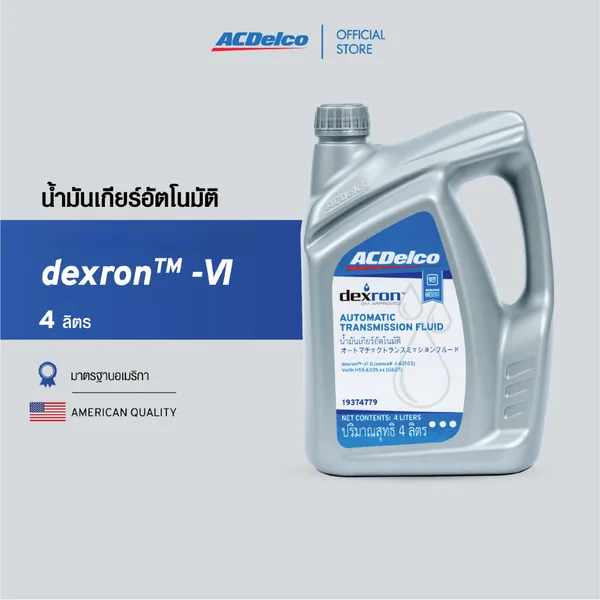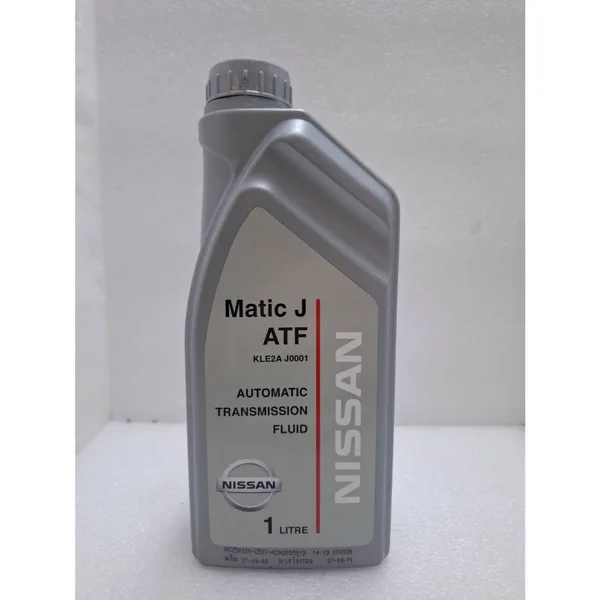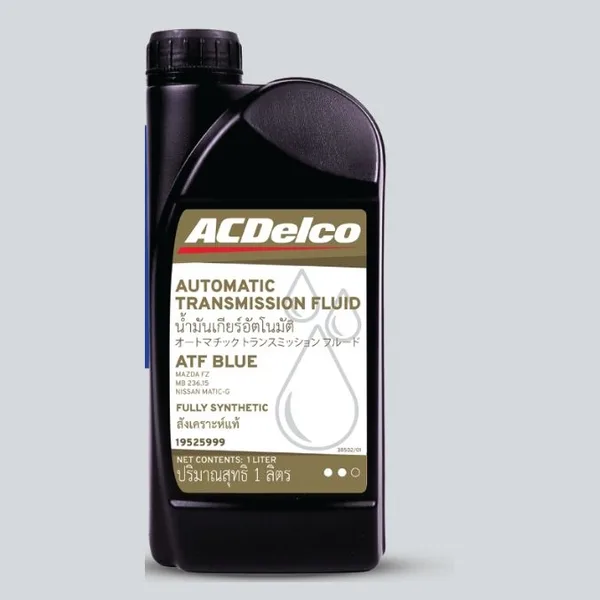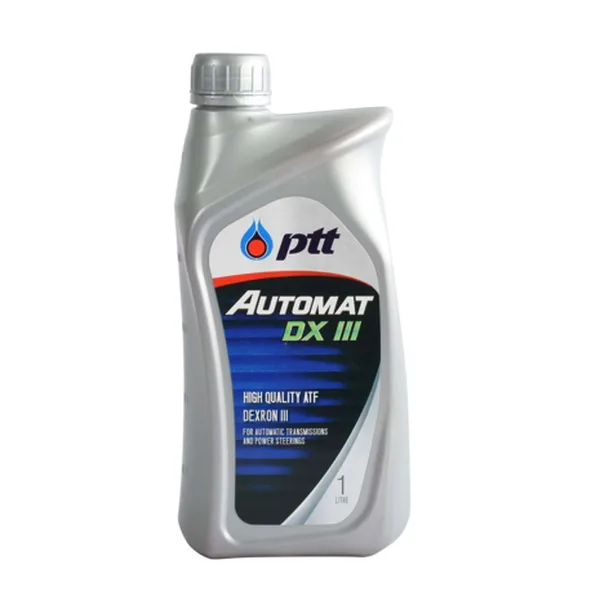
Many newer automatics have no dipstick and a manual that says “no change needed,” so owners aren’t sure when to service the fluid or how. This guide explains what the different numbers mean and what to have checked first.
For transmission types and ATF specs (DEXRON, JASO 1A, why ATF can’t replace CVT fluid), see ATF vs CVT fluid. This page covers when and how to change it.
1. Does “lifetime fill” really mean never?
A carmaker’s “lifetime” usually means there’s no interval in the normal service schedule, not that the fluid doesn’t wear. Transmission maker ZF, which supplies automatics to many brands, states in its fluid data sheet that its transmissions are filled for life, yet recommends an oil change at about 150,000 km, and sooner for hot/heavy use or an unknown service history.
ZF also notes that its fluid ages faster at very high operating temperatures: lots of high-speed trips, frequent trailer towing or aggressive driving.
2. Normal vs severe schedules
Numbers vary widely by brand and model, so don’t rely on a generic figure.
| Source | What it says |
|---|---|
| Transmission maker ZF | About 150,000 km, shorter for hot/heavy use |
| Some carmakers | Much shorter, especially on the severe schedule |
| Your owner’s manual | The deciding source. Read both the normal and severe schedules |
The spread exists because transmissions, fluids and cooling differ, and each maker defines “normal” differently. Stop-and-go traffic and heat make many Thai cars qualify as severe (same logic as engine oil; see How often to change engine oil). Use the severe schedule where the manual splits them, and if it says “no change,” ask the dealer whether there’s a recommended interval for hard use.
3. Drain & fill vs machine flush
| Drain & fill | Flush / exchange machine | |
|---|---|---|
| Method | Drain the pan (usually with a filter change), refill | Machine connects to the transmission lines, pushes old fluid out while new goes in |
| Pros | Follows the maker’s own procedure; lower risk | Replaces more of the fluid per visit |
| Cons | Some old fluid stays in the torque converter and lines; repeating is needed to replace more | Some makers advise against it; may harm durability if done wrong |
Published carmaker positions: GM says in a service bulletin it doesn’t recommend external flush/exchange machines and to drain and refill per procedure. Honda (US) in one bulletin defines a “flush” as three drain-and-fill cycles with driving in between, and doesn’t recommend aftermarket flush machines (a model-specific document, not a rule for every car). Follow the method your brand’s manual or dealer specifies. If a shop offers a flush machine, ask whether your carmaker accepts it and which fluid spec will be used.
4. High-mileage cars that were never serviced
- ZF says an unknown service history can justify shorter intervals
- Overheated, overused fluid can degrade; a Honda bulletin traced shudder in some models to deteriorated fluid after intermittent high heat
- Fresh fluid won’t undo existing damage. ZF’s procedure inspects the drained oil: a burnt smell or large metal chips means stop and have the transmission inspected
Don’t start with additives or a flush. Have a technician read symptoms, inspect the fluid and check for fault codes first.
5. What ATF color and smell tell you
- Burnt smell is a red flag worth a professional check (ZF’s procedure treats it as a go/no-go point)
- Dark, cloudy or metal particles suggest hard use or wear, but color alone isn’t conclusive since new ATF color varies by brand
- Compare with fresh fluid of the same type in a clear container
6. No dipstick, and dual-clutch (DCT)
- Dipstick-less transmissions are checked via a level plug at a maker-specified fluid temperature, read with a scan tool. In ZF’s procedure the transmission is warmed on a drive, the car sits level, in P with the handbrake on. Too little fluid damages the gearbox; too much can spill onto hot exhaust parts. Don’t attempt it without proper tools
- Drained fluid is hot enough to scald, and lifting a car needs solid jack stands
- ZF says to use only the specified fluid and not add extra additives, since they alter its formulation
- Dual-clutch (DCT) transmissions use the fluid the carmaker specifies (some need a dedicated DCT fluid) and have their own interval. Follow the manual; don’t pour in generic ATF
Quick summary
- “Lifetime” doesn’t mean the fluid never ages. ZF still recommends about 150,000 km, sooner if hot or heavy
- Other figures vary by model (some carmakers set far shorter intervals), so follow the manual and use the severe schedule for heavy traffic
- Drain & fill follows the maker’s procedure; some brands (e.g. GM) advise against flush machines
- High mileage with no history: have fluid, smell and metal chips checked first
- No dipstick: use a shop that can measure the level properly; no extra additives
See matching ATF: ATF products · Gear, brake & coolant fluids · Find by vehicle