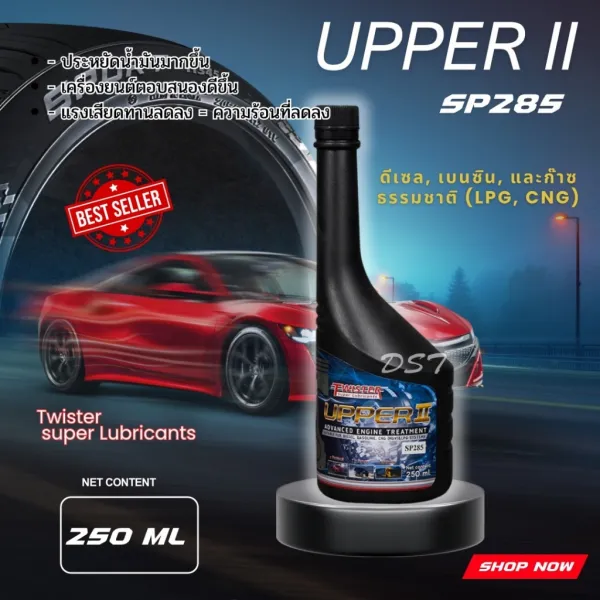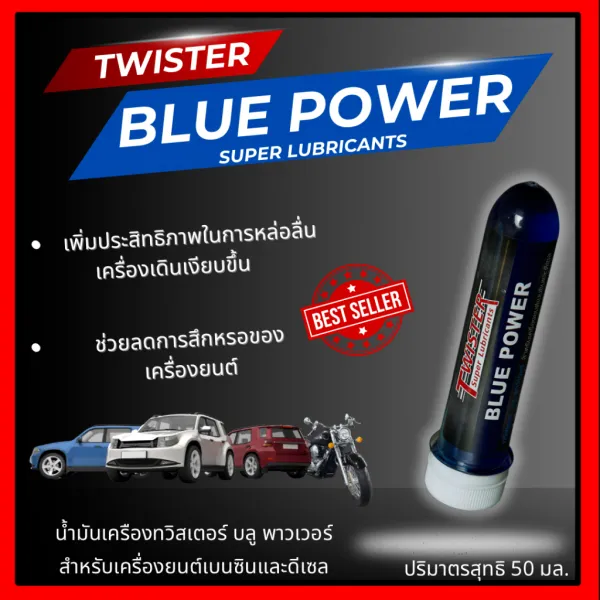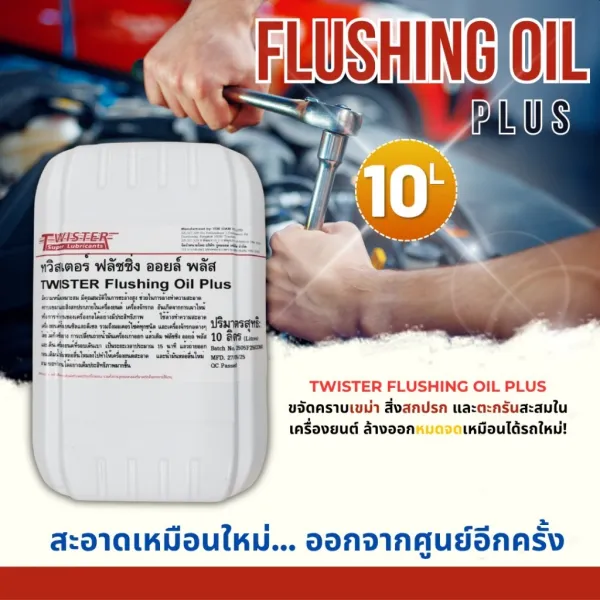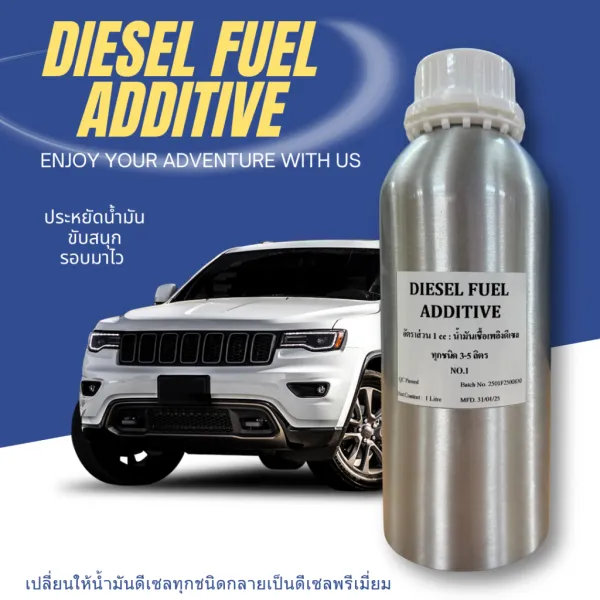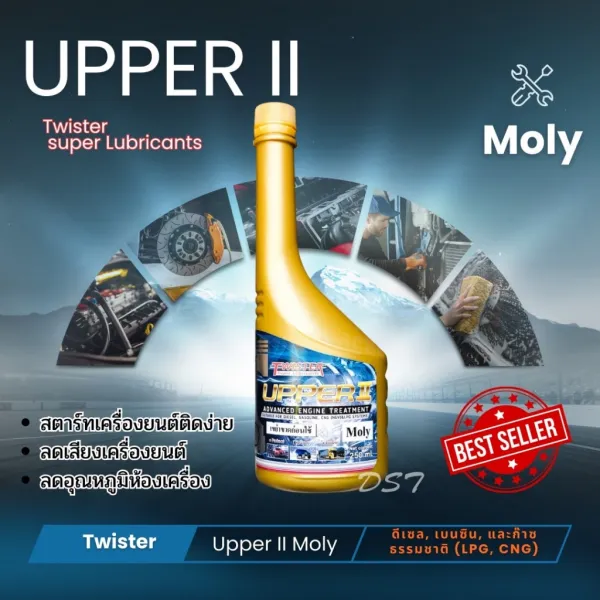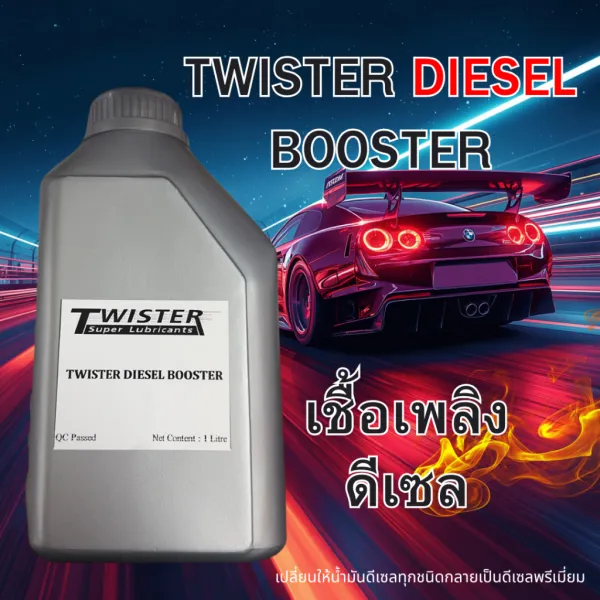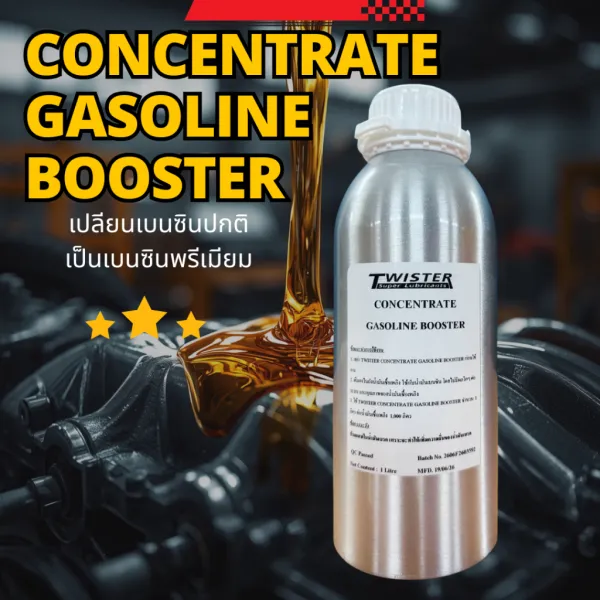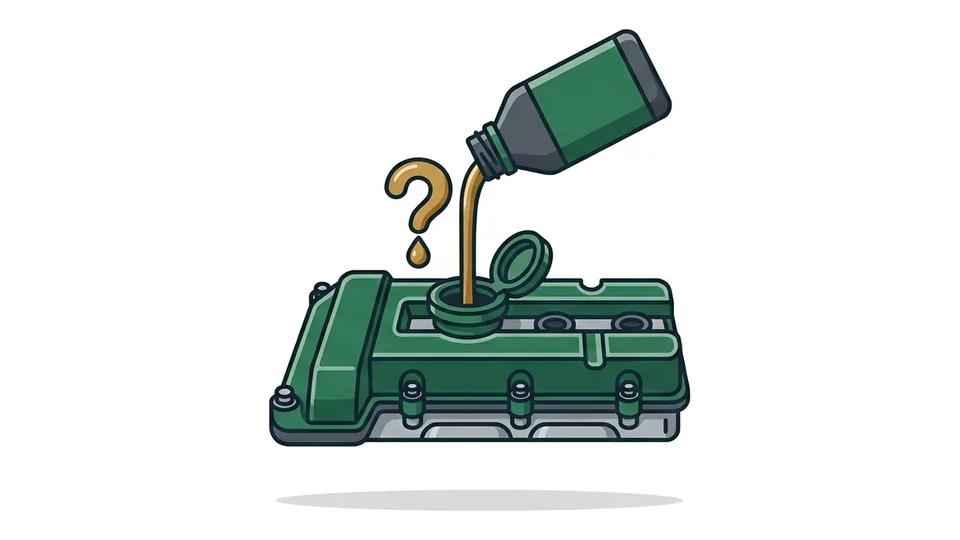
Short answer: not every car needs them. A quality engine oil already contains a complete additive package. If you use the grade in your manual and change it on schedule, the engine is well protected. Additives are a supplement for specific situations, not a substitute for maintenance.
1. Three groups, used in different places
| Group | Where it goes | What it does |
|---|---|---|
| Engine oil additive | Mixed into engine oil | Supports lubrication and reduces friction |
| Fuel additive | Added to the fuel tank | Conditions fuel and cleans the fuel system |
| Flushing oil | Added to old engine oil before draining | Cleans deposits inside the engine |
Don’t mix up the groups — e.g. putting an oil additive in the fuel tank or vice versa — and choose a fuel additive for diesel or gasoline to match your car, unless it states it works for both.
2. When one may be worth considering
- High-mileage engines that have become noisy or rough, after a mechanic has ruled out mechanical faults
- Heavy use such as loads, towing or long drives in the heat
- Oil changes overdue for a long time → flushing before fresh oil helps clear old deposits
- Dirty fuel system, e.g. a car left parked for a long time or fuel from an uncertain source
3. When they’re unnecessary, or need care
- New cars under warranty → check the carmaker’s warranty terms first
- Cars with a particulate filter (DPF / GPF) → some additives contain metals that form ash; choose one that states it’s compatible, or ask the maker first
- Wet-clutch motorcycles → don’t add a car oil additive unless it says it’s suitable for motorcycles; friction modifiers can make the clutch slip (see Motorcycle engine oil)
- Expecting a fix for mechanical problems → additives won’t fix worn rings, leaking seals or damaged parts; have unusual symptoms checked first
4. Using them correctly
- Read the dosage on the label every time — the amount depends on oil capacity or tank size
- Don’t overdose — too much oil additive can push the total oil level above MAX or shift viscosity away from what the engine was designed for
- Don’t stack several brands at once — use one product for one purpose
- Follow the flushing-oil steps on the label — typically add it, idle the engine for the stated time without driving, then drain completely and replace the filter
Quick summary
- Well-maintained car on the correct oil → not needed
- High mileage / heavy use → an engine oil additive can supplement, at the label dosage
- Long-overdue oil change → flush before fresh oil
- Dirty fuel system → a fuel additive matched to diesel/gasoline
Browse all products at Additives & boosters