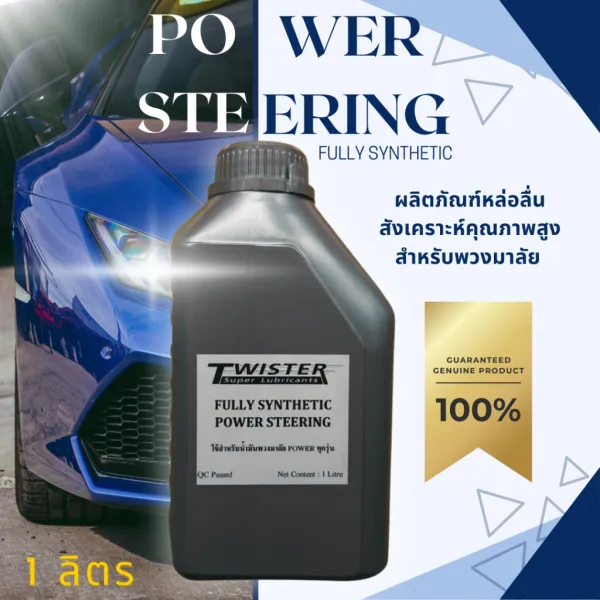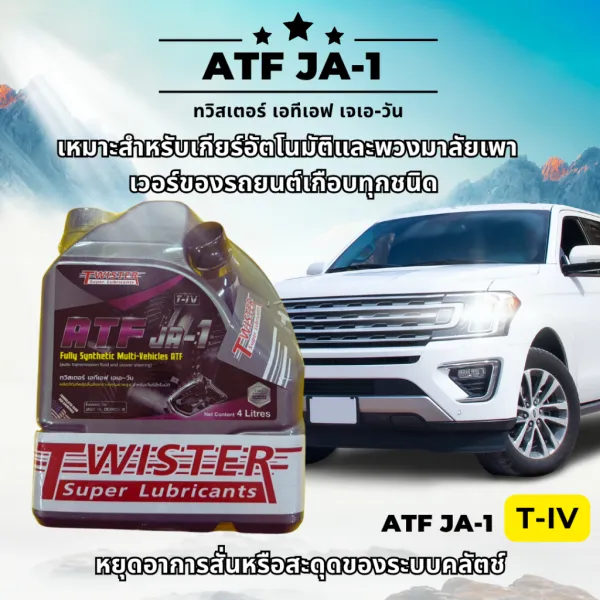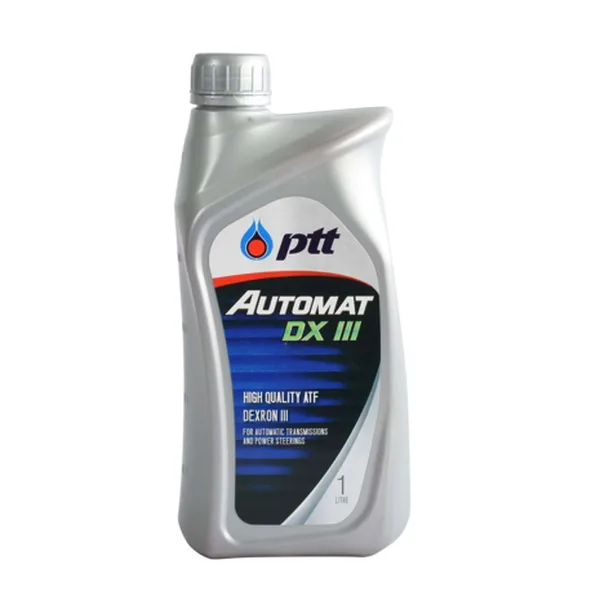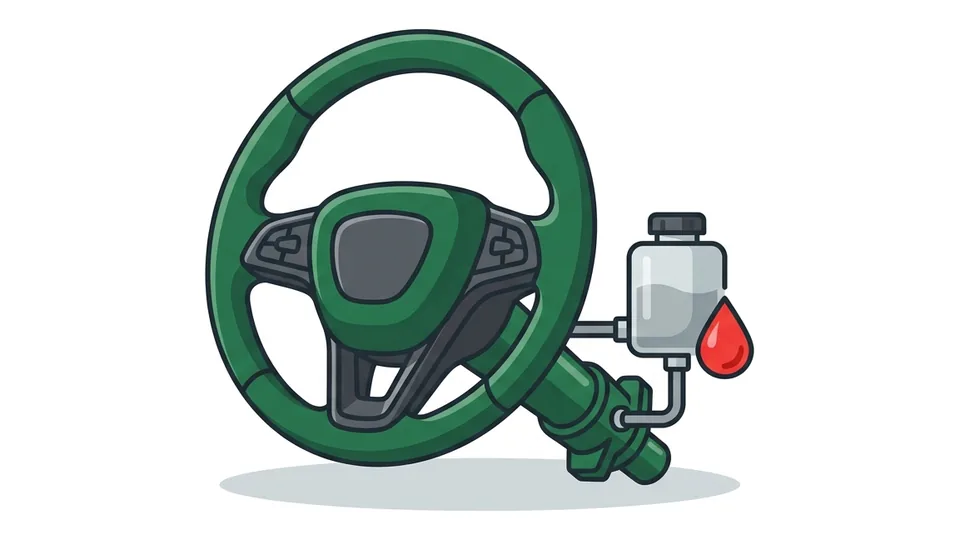
Power steering makes the wheel light to turn. Cars use different systems, and some use no fluid at all — so find out which one you have before buying anything.
1. Does your car use steering fluid?
| System | Uses fluid? | How to tell |
|---|---|---|
| Hydraulic (HPS) | Yes | Has a steering fluid reservoir and a belt-driven pump |
| Electro-hydraulic (EHPS) | Yes | Has a reservoir, but the pump is driven by an electric motor |
| Electric (EPS) | No | No steering fluid reservoir; an electric motor provides assist |
Most new sedans and eco cars use EPS, which needs no steering fluid. Many pickups, vans and older cars still use hydraulic systems.
2. Can you use ATF instead?
It depends on what the carmaker specifies.
- Many cars — especially many Japanese and American models — specify ATF (such as DEXRON or the maker’s ATF standard) for power steering from the factory. In that case, ATF to that standard is correct
- Many others — including many European cars and some other brands — specify a dedicated power steering fluid (PSF) with different properties. There, don’t substitute ATF
- Some steering fluids are mineral-based and others synthetic, and some pairs are incompatible; the wrong one can swell or degrade seals
Check the reservoir cap, which often names the fluid (e.g. “ATF DEXRON” or a specific spec), or the owner’s manual. If nothing is stated, don’t guess.
3. Checking the level
- Park on level ground
- Read the reservoir marks — many have separate HOT and COLD marks; use the one that matches the engine’s state
- If low, top up with the same fluid to the mark; don’t overfill
A level that keeps dropping means a leak — hoses or rack seals — not evaporation.
4. Signs of trouble
- Whining or groaning when turning, especially at full lock → fluid may be low or air in the system
- Steering feels heavier, or heavy intermittently
- Oil residue under the car near the front or steering rack
- Dark fluid with a burnt smell → degraded; time to replace
Avoid holding the wheel at full lock for long — it raises pressure and heat in the system.
5. Does steering fluid need changing?
Many manuals don’t give a fixed interval but call for periodic inspection. Fluid degrades from heat and fine metal particles; if it’s dark or smells burnt, have a shop replace it and bleed the system properly.
Quick summary
- No steering reservoir → electric system, nothing to fill
- Cap or manual says ATF → use ATF to that standard
- Dedicated PSF specified → don’t substitute ATF
- Level keeps dropping or whining → check for leaks
Browse this category at Gear, brake & coolant fluids