Clear water dripping after you run the A/C is normal. Any other fluid under the car is, according to Toyota’s manual, a reason to contact the dealer soon, and some (brake fluid, fuel) mean you should stop driving. Colour only narrows things down. It is not a diagnosis.
1. Put cardboard down to see the real colour
Fluid on concrete often looks the wrong colour and hides where it dripped from. Fel-Pro, a gasket maker, suggests white cardboard under the car to see the colour and the source.
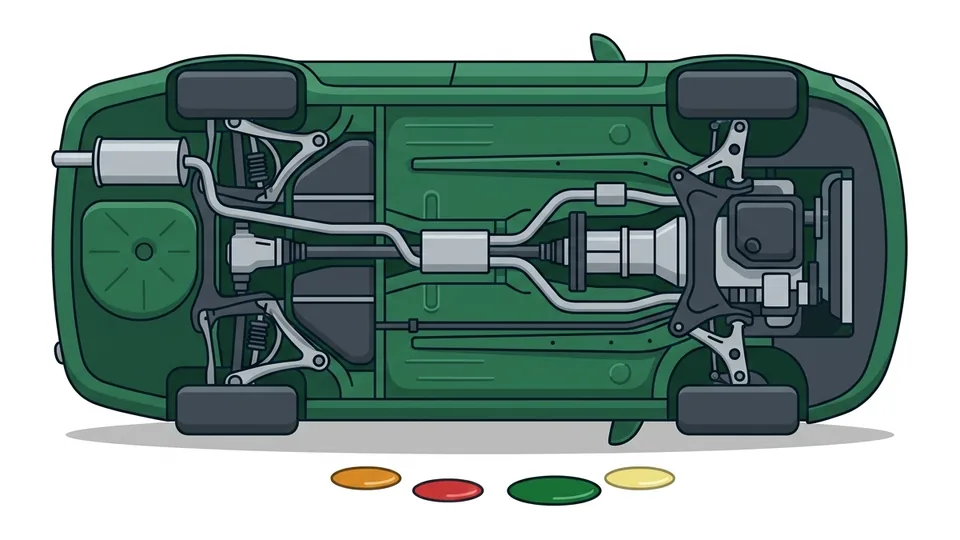
- Park on level ground and place cardboard under the engine bay and under the rear of the car.
- Leave it (overnight, for example). Toyota’s manual says to check for signs of leakage after the car has been parked.
- Note the colour, whether it is thin like water or oily, and where it sits relative to the front and rear.
- Take a photo for your mechanic.
2. Colour, consistency and location
| Fluid | Colour | Feel | Where you usually find it |
|---|---|---|---|
| Engine oil | Light brown when new, dark brown to black when old | Thick, slippery | Around the engine |
| ATF (automatic transmission) | Red, darkening with use | Thick, slippery | Front to middle of the car |
| Power steering fluid | Red or reddish-brown | Similar to ATF | Toward the front |
| Coolant | Green, orange/amber, yellow, pink, blue | Thinner than oil | Engine, radiator, hoses |
| Brake fluid | Nearly clear when new, then yellow, beige, dark brown | Liquid | Brake system |
| Washer fluid | Blue | Watery | Near the washer tank and lines |
| A/C water | Clear | Like water | Under the A/C system (normal) |
| Differential / manual gearbox oil | No source we could verify for colour | Thick | Near the differential or gearbox housing |
| Fuel | Don’t judge by colour | — | If you see or suspect fuel, treat it as dangerous (see section 5) |
Notes on the table
- ATF and power steering fluid are both red. You cannot tell them apart by colour. Use location, and note that some cars use ATF in the steering system too. See Power steering fluid.
- Engine oil looks like other dark-brown fluids. If oil is dropping, see Checking oil level and consumption.
- Colour changes with age. New and old fluid are not the same shade.
3. Coolant: colour does not tell you the type
Coolant colours differ by brand. SlashGear reports that colour now has more to do with the manufacturer than the type of antifreeze. So colour says “probably coolant”, not which formula to top up with.
Examples from products on this site, as stated in each product’s label or description:
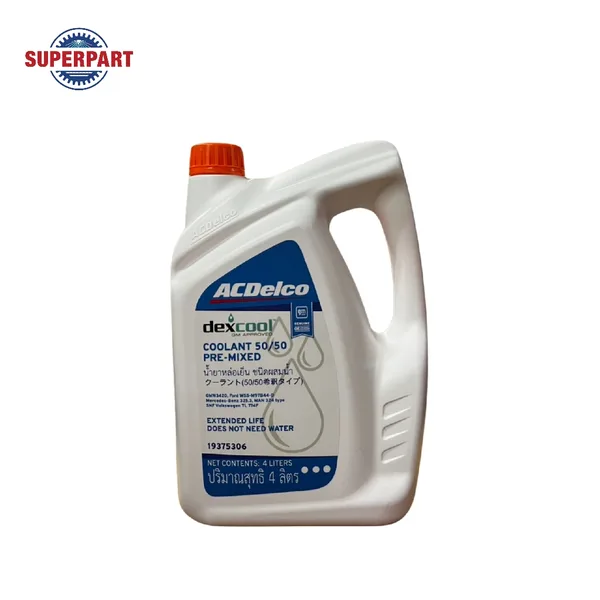
- ACDelco DEX-COOL 50/50: the listed version is orange
- Duckhams Long Life Coolant (OAT): pink, green and blue
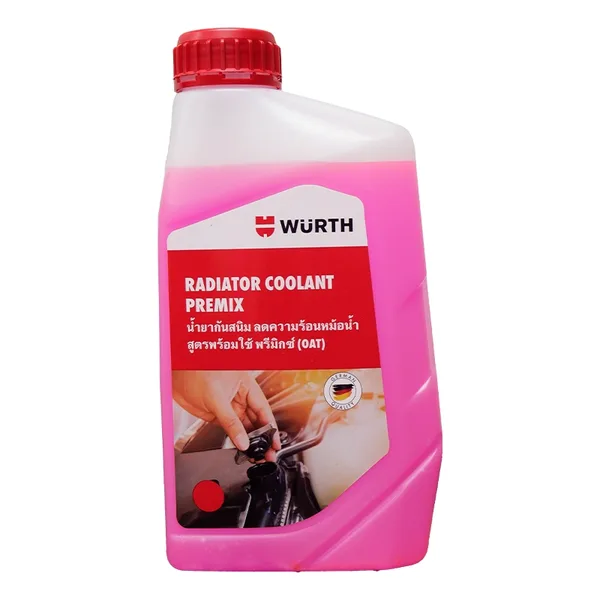
- Würth Radiator Coolant OAT: pink Premix, green Concentrate
- Twister Coolant Premixed (OAT): purple, green, pink and blue
OAT coolant comes in several colours, so green on the ground does not mean an old formula. For choosing what to add, see Radiator coolant.
Ethylene glycol coolant smells and tastes sweet. Fel-Pro warns it is poisonous and dangerous to pets, so wash spills away promptly.
4. Clear water from the A/C is normal
Toyota’s manual says water dripping from the air conditioner after use is normal, and Fel-Pro lists condensation as no cause for concern. Check that it:
- is clear, colourless and not slippery
- drips after you run the A/C
- has no oily or sweet smell
If you are unsure, blot it with paper. If it is slippery, coloured or smells, it is not A/C water.
5. What can you drive on, and what means stop
Toyota’s manual lists “fluid leaks under the vehicle” as a symptom to take to the dealer as soon as possible. This table ranks urgency and does not replace an inspection.
| Situation | What to do |
|---|---|
| Brake fluid leak, or brake / low brake fluid warning | Stop driving. Toyota’s manual says to stop in a safe place and contact the dealer, and that continuing is dangerous. A spongy pedal or one that sinks is also on its list of symptoms. |
| Fuel dripping on the ground | Do not start or drive. Toyota’s manual says fuel on the ground means the fuel system is damaged and the engine should not be restarted. |
| Oil pressure warning light on | Stop at once in a safe place and contact the dealer (per Toyota’s manual). |
| Coolant temperature warning on, or a lot of coolant lost | Stop and switch off in a safe place. Once the engine is cool, check hoses and radiator; if a large amount has leaked, contact the dealer immediately (per Toyota). See Engine overheating. |
| Small drip from the engine or gearbox, level not dropping fast, no warning light | Contact the dealer soon, check levels regularly, never open the radiator cap when hot |
| Clear water after A/C use | Normal |
What you can check yourself is fluid levels and whether the spot is growing. Leave locating the actual leak to a mechanic, because fluid can run along parts and drip from somewhere else.
If coolant keeps dropping soon after a top-up, Toyota’s manual says to check the radiator, hoses, reservoir cap, drain cock and water pump, and if no leak is found, have the dealer test the cap and the cooling system.
6. Read more, by fluid
- Brake fluid: DOT 3/4/5.1 brake fluid
- Coolant: Radiator coolant
- Power steering: Power steering fluid
- ATF: ATF change interval
- Differential and manual gearbox: GL-4 vs GL-5
- Engine oil: Checking oil level and consumption
Quick summary
- Lay white cardboard under the car, leave it, then note colour and position and photograph it for your mechanic.
- Colour is a rough guide: engine oil brown, ATF/power steering red, brake fluid clear to yellow, coolant in many colours.
- Coolant colour does not give the formula. Read the label and manual before topping up.
- Clear water after A/C use is normal. Any other leak means contact the dealer soon.
- Stop driving for a brake fluid leak, fuel dripping, or an oil pressure or temperature warning.
See products in Gearbox, brake & coolant fluids