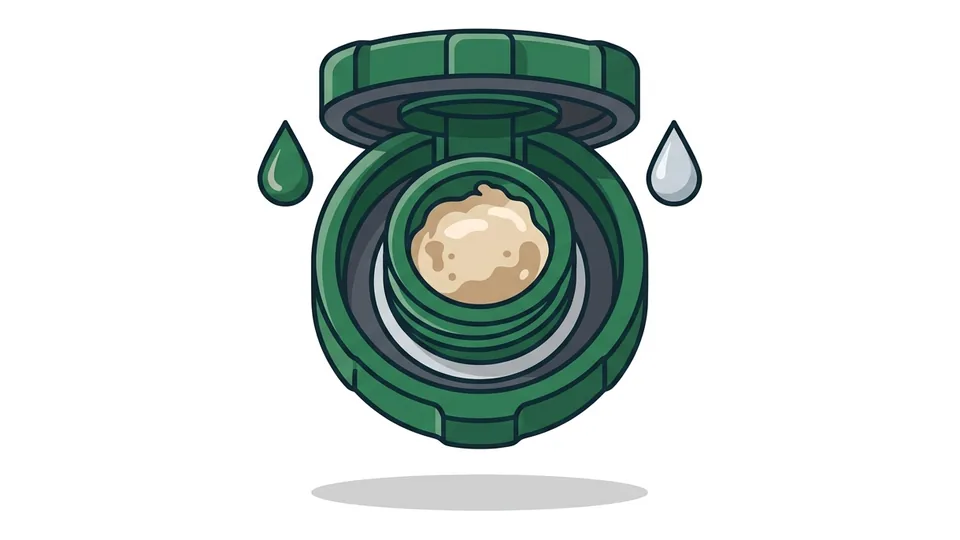
A cream or milky-coffee film only under the oil filler cap, while the oil on the dipstick still looks normal, is usually water vapour that has condensed in the engine, and is not a big problem. But if the oil on the dipstick is milky, treat it as possible coolant contamination and have a mechanic check it before you keep driving. This article helps you tell the two cases apart. It does not replace a mechanic’s diagnosis.
1. Residue under the cap — usually moisture from an engine that has not warmed up
Toyota’s Yaris Ativ owner’s manual (English edition on Toyota Thailand’s manual site) says that when the outside temperature is low, engine oil can turn white and creamy and collect on the back of the oil filler cap or the filler port. Water vapour in the engine cools into droplets that mix with the oil. The manual says this disappears on its own once the water evaporates (warmer weather or a warm engine), that the oil does not deteriorate because of it, and that you can keep using the oil.
Other sources add the conditions.
- Liqui Moly (oil and additive maker) says many short journeys let condensation collect in the oil pan and mix with the oil, forming a yellowish sludge around the valve cover and oil cap, because the oil never reaches operating temperature.
- Mobil explains that some moisture comes simply from the engine “breathing” when it is not running (cold air enters a hot engine and water condenses), and that normal driving drives this moisture off.
Toyota’s wording is about cold weather. Thailand is not cold, but an engine that never fully warms up, such as one used only for short trips, can still fit. That is our own inference from the sources above, not a statement from the manual, so use the table in section 3 rather than guessing.
2. Coolant in the oil — the serious case
Mobil says the other route for moisture is a coolant leak into the engine through a bad gasket, a cracked engine and similar faults, and that this amount of moisture generally causes serious engine problems, such as loss of power and oil sludging. In its own guide to checking oil, Castrol says that oil that looks even slightly milky can indicate a coolant leak and that you should see a mechanic as soon as possible.
The examples the sources give are a failed gasket (for example the head gasket) or a cracked engine. Other parts that could be involved depend on the engine. Finding which part it is, is a mechanic’s job, not something to guess from the residue.
TotalEnergies advises you to stop driving and contact a specialist workshop if you suspect this, and warns that continuing to drive can cause serious engine damage.
3. Telling the two cases apart
| What you see | Likely moisture / condensation | Suspect coolant in the oil |
|---|---|---|
| Where it is milky | Only under the filler cap, dipstick oil looks normal | Whole dipstick, oil looks like milk |
| Coolant level in the reservoir | Steady | Keeps dropping with no visible leak under the car |
| Exhaust smoke | Thin white vapour when cold, gone once warm | Thick white smoke that continues when the engine is hot |
| Temperature gauge | Normal | Engine runs hotter than normal |
| What to do | Drive until the engine is fully warm, then look again | Stop driving, get it checked |
The cap-versus-dipstick rule and the supporting signs (coolant loss, thick white smoke, overheating) come from TotalEnergies and Mobil. The table is not a verdict. If several items in the right-hand column appear together, treat it as risky and have it checked.
4. What you can check yourself
- Look under the filler cap and pull the dipstick to check colour and cloudiness, as described in Checking engine oil level and consumption.
- Check the coolant level in the reservoir with the engine cold. Toyota’s manual says it should sit between the FULL and LOW lines. Never open the radiator cap on a hot engine. See Radiator coolant.
- If the level drops quickly after topping up, Toyota’s manual says to inspect the radiator, hoses, reservoir cap, drain cock and water pump, and if you find no leak, have the dealer test the cap and check the system for leaks.
- Watch the smoke and the temperature. See Exhaust smoke colour and Engine overheating.
If there is residue only under the cap, the dipstick is clear and the coolant is not dropping, drive the engine up to temperature and check again. If the residue disappears or thins out, that fits the moisture explanation (Toyota says it goes away when the engine warms up). If you are still unsure, ask a service centre.
5. When to stop driving
- The dipstick oil is milky along the whole length
- Coolant keeps dropping or needs frequent topping up
- Thick white smoke that does not clear, or abnormal overheating (high gauge, warning light). Follow Engine overheating and do not open the radiator cap while hot.
In these cases contact a service centre or a workshop you trust, and have the car towed if needed. Do not keep driving to see what happens.
6. After driving through flood water
If you have just driven through flood water and the dipstick oil is milky, or the level is above Full, it may be water from outside rather than a head gasket problem. Treat it as high risk, do not restart the engine, and have a mechanic check it. See Checking fluids after a flood.
7. Does an engine flush help?
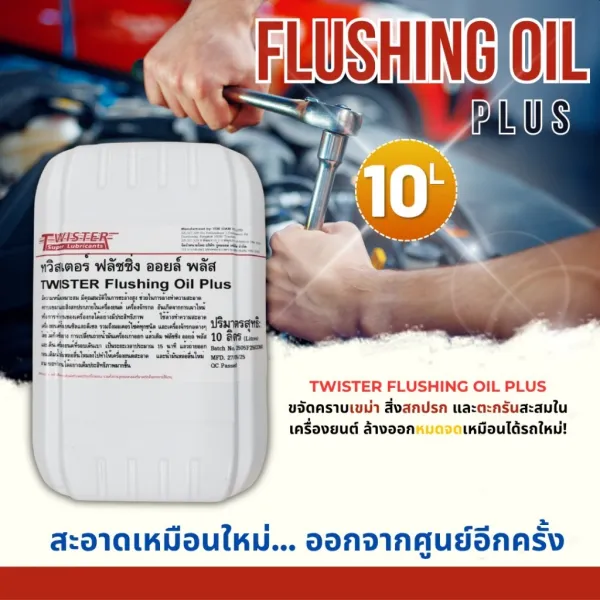
- If you suspect coolant in the oil, a flush is not the fix. The cause is coolant leaking into the engine, which a mechanic has to find and repair. The Flushing Oil Plus label only says it washes out soot and deposits before an oil change. It does not claim to fix a coolant leak or repair any part.
- If it is ordinary moisture, you normally do not need to flush. Toyota says the oil does not deteriorate from it. Change the oil at the usual interval, see Engine oil change interval.
- If you do decide to use a flush, follow the label only: it is for flushing only, do not drive on it, and change the oil filter at the same time.
8. After the repair
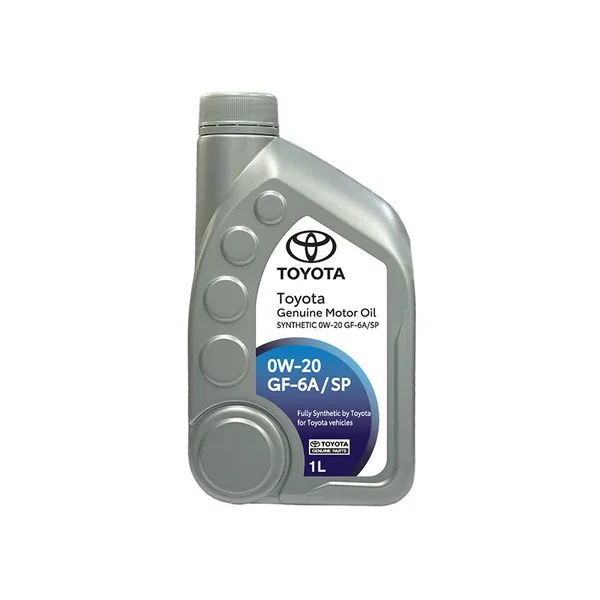
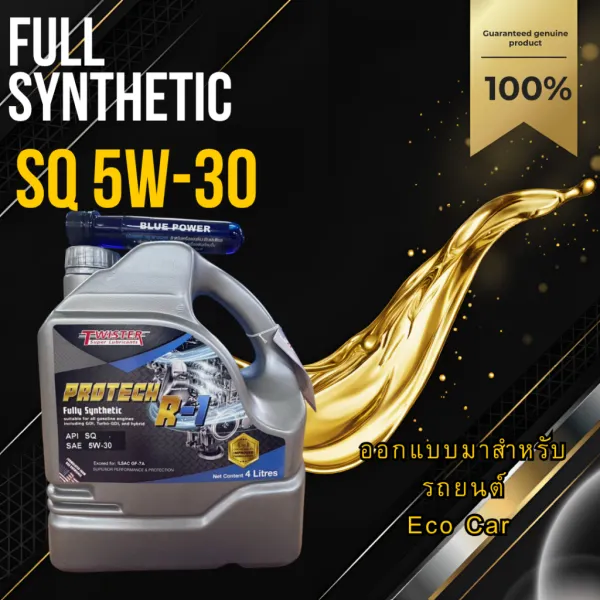
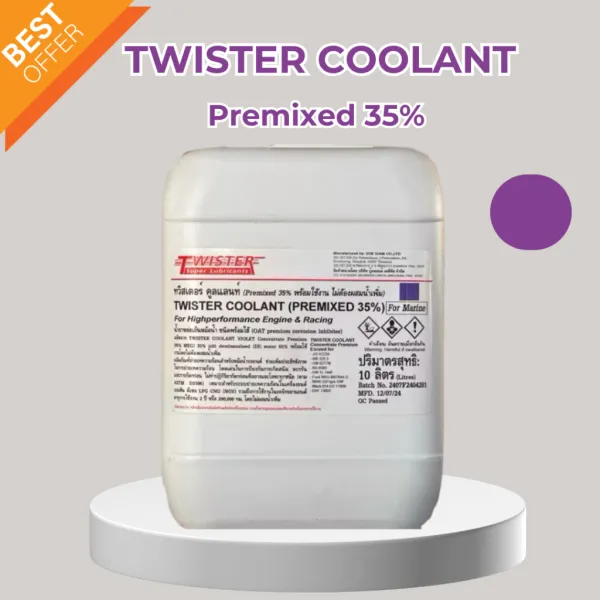
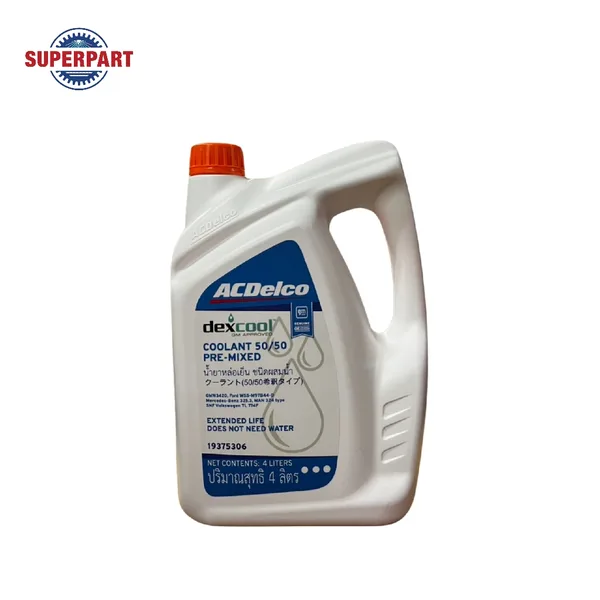
The mechanic will tell you whether the oil, filter and coolant need replacing. When choosing new fluids, use the oil grade and coolant type in your owner’s manual. For example, the Yaris Ativ manual calls for an ethylene-glycol coolant that is non-silicate, non-amine, non-nitrite and non-borate (long-life hybrid organic acid technology). Do not choose by colour.
Quick summary
- Cream only under the cap, clear dipstick is usually condensed moisture. Toyota says the oil is still usable and the film clears when the engine warms up.
- Milky oil on the whole dipstick may be coolant in the oil. Have it checked before you drive on.
- Read it together with falling coolant, thick white smoke and overheating. Several together means stop driving.
- After a flood, milky oil means do not restart the engine.
- A flush does not fix the cause and is not needed for normal moisture.
See products in gasoline engine oil and coolants.