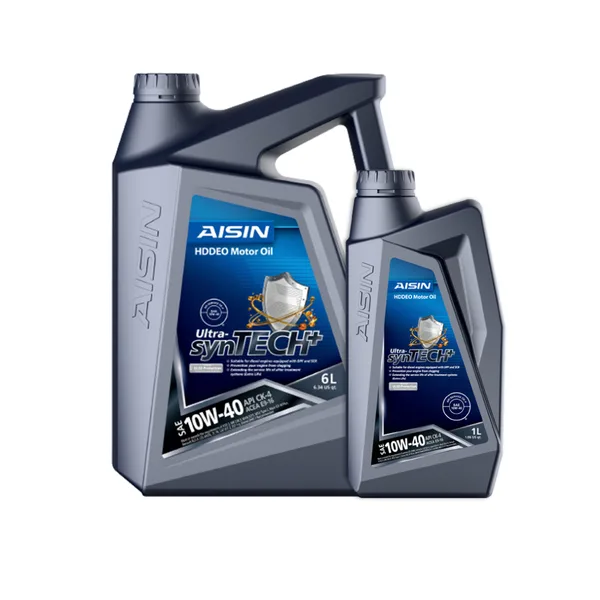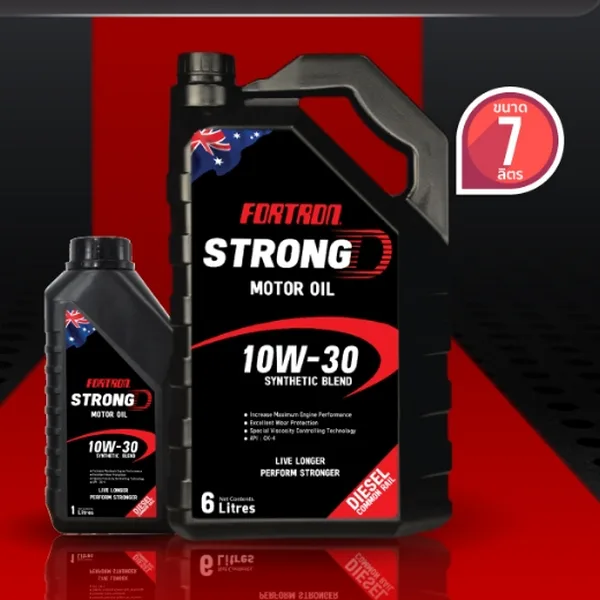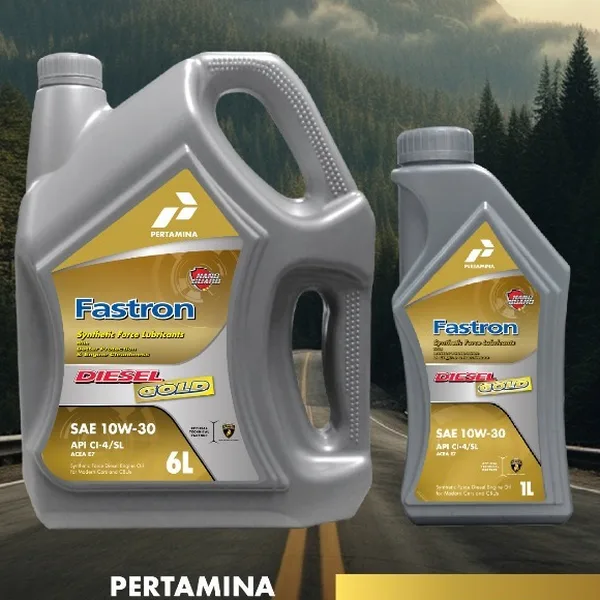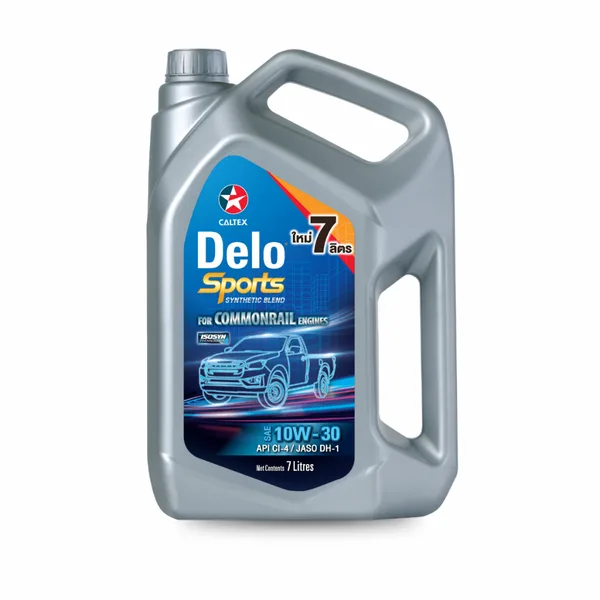
Diesel oil bottles carry codes like CI-4, CJ-4, CK-4 or FA-4. These are API (American Petroleum Institute) grades. Which is newer, can they substitute for each other, and why does FA-4 come with warnings? This guide answers those, based on API 1509, 24th edition (July 2026).
1. API diesel grades in order
The years below are the emission-standard year the engines were designed to meet, as API describes each grade. They are not vehicle model years and not Euro stages.
| Grade | Designed for engines | Notes |
|---|---|---|
| CF-4, CG-4 | Older engines | Declared obsolete by API |
| CH-4 | 1998 | |
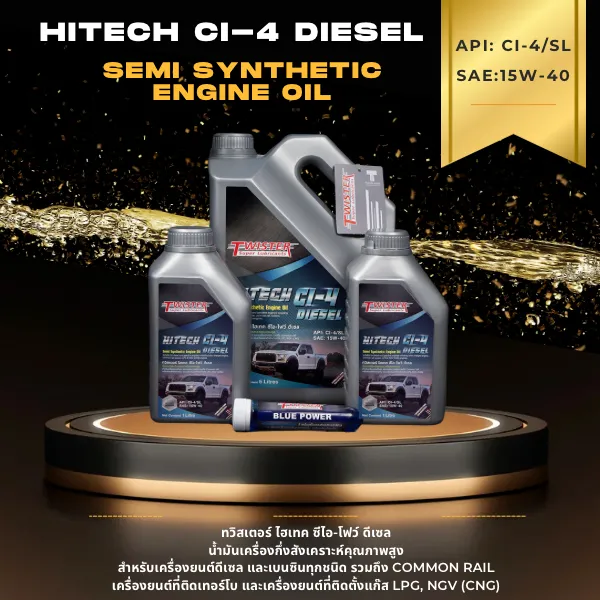
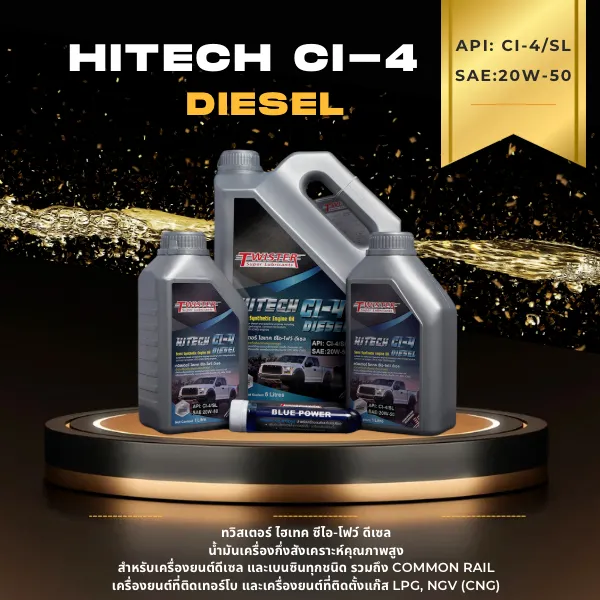
| CI-4 | 2004 | Aimed at engines with exhaust gas recirculation (EGR) |
| CJ-4 | 2010 | Aimed at DPFs and advanced aftertreatment |
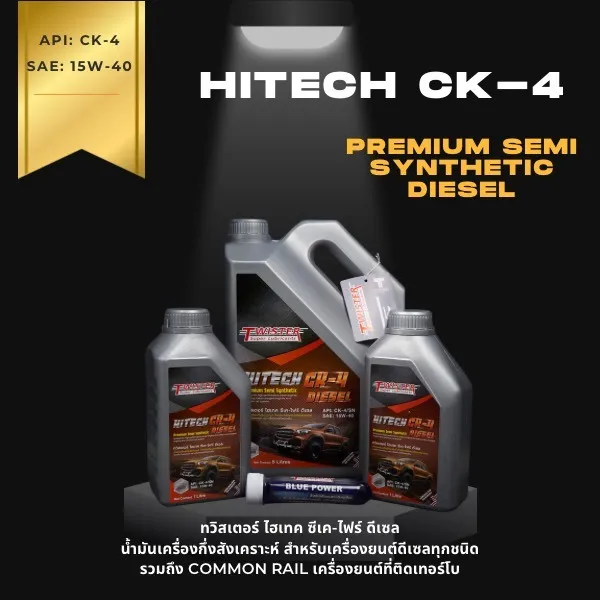
| CK-4 | 2017 | Builds on CJ-4: better oxidation, shear-loss and aeration protection |
| FA-4 | 2017 | Thin XW-30 only — not interchangeable (section 3) |
| CL-4 / FB-4 | 2027 | Licensing starts 1 Jan 2027 (section 4) |
2. Can CK-4 replace older grades?
Yes. API says CK-4 exceeds the performance criteria of CJ-4, CI-4 and CH-4, so it can be used where a manual calls for those grades.
- CK-4 can replace CJ-4, CI-4 and CH-4
- CJ-4 can replace CI-4 and CH-4
- Older cannot replace newer. For example, CI-4 should not stand in for CJ-4/CK-4 in a DPF vehicle: API notes CI-4’s effect on exhaust devices other than EGR was not evaluated.
A matching API grade is not the whole story — you still need the right viscosity and any manufacturer spec in the manual. See Can you change viscosity grade?
3. What is FA-4, and why not use it unless specified?
FA-4 was created for certain on-highway diesel engines designed to cut greenhouse-gas emissions. Per API:
- Only XW-30 grades, with high-temperature high-shear (HTHS) viscosity held to 2.9–3.2 cP to reduce friction
- For diesel fuel with sulfur up to 15 ppm; API does not recommend it above that
- API states FA-4 is not interchangeable or backward compatible with CK-4, CJ-4, CI-4 or CH-4, and tells users to check the engine maker’s guidance
So:
- Manual doesn’t list FA-4, or you’re unsure → don’t use it. The engine was designed around a different oil group. This doesn’t mean FA-4 is low quality.
- Manual specifies FA-4 → use it as specified; don’t swap to CK-4 on your own.
4. The newest grades as of October 2026
API 1509’s 24th edition (July 2026) adds CL-4 and FB-4, but they apply from 1 January 2027, so licensing has not yet begun.
- CL-4 — for engines designed to 2027 emission standards. Designed to meet CK-4, CJ-4, CI-4 and CH-4 criteria and may also display those grades
- FB-4 — certain XW-30 and XW-20 oils (HTHS 2.6–3.2 cP) for select 2027 engines. Not backward compatible with CK-4 or earlier grades
The rule of thumb holds: C grades can replace older C grades; F grades only when the manual says so.
5. Sulfated ash and DPFs, briefly
Sulfated ash is what remains of the additives after burning; too much builds up in a DPF. CK-4 and FA-4 cap it at 1.0%. If your vehicle has a DPF, use the grade the manual approves. See Choosing oil for a diesel pickup.
6. Trucks, heavy-duty and ACEA E
Trucks and heavy-duty equipment often list ACEA (European, E-prefixed) alongside API. The main grades are these four (introduced in the 2022 set and kept in the 2024 update):
- E4-22, E7-22 — Euro I–V engines, ash up to 2.0%, for engines without a DPF
- E8-22, E11-22 — Euro I–VI engines, ash up to 1.0%; ACEA strongly recommends them for DPF engines and designs them for low-sulfur diesel
Makers differ, so follow the manual. See How often to change engine oil and the truck page.
Quick summary
- Order: CF-4/CG-4 (obsolete) → CH-4 → CI-4 → CJ-4 → CK-4 (latest in use)
- CK-4 can replace CJ-4, CI-4, CH-4 — still match viscosity and manual specs
- FA-4 cannot replace anything — only where the manual specifies it
- CL-4 / FB-4 are in API 1509 but start 1 Jan 2027 (CL-4 backward compatible, FB-4 not)
Read next: Reading an engine oil label · Diesel engine oil · Engine oil for trucks · Picker