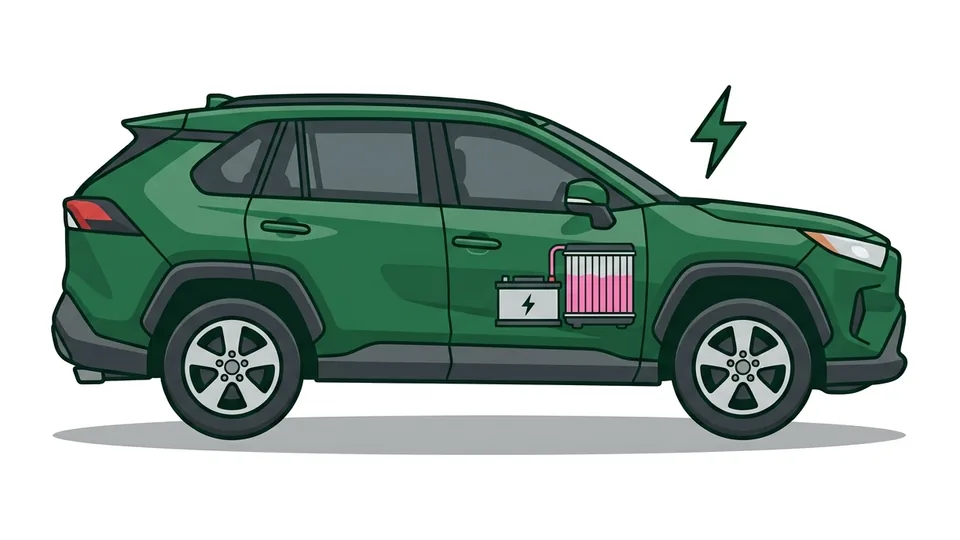
Hybrid care differs from a petrol car in four main ways: the 12V battery can still go flat, there are two coolant circuits, the transaxle takes its own fluid (ATF WS or DW-1), and the high-voltage system is off-limits to owners. Brake fluid is still changed by the calendar, like any car. This guide draws on the Thai owner’s manuals for the Toyota Yaris Cross Hybrid, Corolla Cross Hybrid and Honda HR-V e:HEV. It is not a diagnosis of your car.
1. Overview: what differs and what doesn’t
| System | Different from a petrol car? | Section |
|---|---|---|
| 12V battery | Still fitted and can still go flat; if it does, the hybrid system may not start | 2 |
| Coolant | Toyota has 2 circuits (engine + inverter) with different change intervals | 3 |
| Engine oil | Frequent stop-start use — check the severe-use conditions | 4 |
| Transmission fluid | Not CVT fluid — ATF WS (Toyota) or DW-1 (Honda) | 5 |
| Brake fluid | Same as before — change by time | 6 |
| Hybrid battery air intake | Extra item: inspect and clean at set intervals (Toyota) | 7 |
| High voltage | Do not repair it yourself | 8 |
2. A flat 12V battery — even with a hybrid battery
The hybrid (traction) battery does not take over the job of starting the system from the 12V battery. The Corolla Cross Hybrid manual says the charge in the 12V battery drains gradually even when the car is unused; if parked for a long time it may go flat and the hybrid system may not start (the 12V battery recharges automatically while the hybrid system runs). The typical symptom is pressing start and the READY light not coming on.
Reducing the chance (Corolla Cross manual p. 394)
- Switch off headlights and audio while the hybrid system is not running
- Switch off unneeded electrical loads during long periods of slow driving, such as heavy traffic
- Have the 12V battery inspected per the schedule: every 10,000 km or 12 months (p. 309)
- If the display often shows “high power consumption, some air-conditioning functions limited”, the manual says the charging system may be faulty or the 12V battery worn — see a dealer (p. 369)
If it is flat, a jump start is possible, but follow your own car’s manual. Summary of the Corolla Cross manual (pp. 392–393)
- Carry the electronic key and open the bonnet
- Connect the positive cable from your car’s terminal to the donor car’s positive terminal, then the donor’s negative to the metal point shown in the manual’s diagram — not directly to your battery’s negative post
- Start the donor car and hold the revs slightly raised for about 5 minutes
- Open and close one of your car’s doors with the POWER switch OFF, then switch POWER to ON
- Check that READY comes on; if not, contact the dealer. Then remove the cables in reverse order
- Have the car checked at a dealer as soon as possible
Good to know
- It cannot be push-started — the manual says the hybrid system cannot be started by pushing
- Connection points differ by model — use the diagram in your own manual, not this article
- The manual warns to keep cables clear of fans and other parts, never let the positive and negative clamps touch, and keep smoking and flames away from the battery
- Contact a dealer before disconnecting the 12V terminals: ECU data is erased and some systems need re-initialising (p. 394)
- A replacement 12V battery must have the same case size and a 20-hour capacity equal or higher (p. 394)
- Honda HR-V e:HEV: the Thai manual we checked has no jump-start procedure — ask a Honda dealer rather than guess
3. Inverter coolant is a separate circuit
Both Toyota manuals split coolant into 2 circuits: the engine and the power control unit (inverter/PCU). Same coolant type, different change intervals, with separate reservoirs (Corolla Cross pp. 318, 321 — see the manual’s diagram for locations).
| Yaris Cross HEV (2023) | Corolla Cross HEV (2025) | |
|---|---|---|
| Type | Toyota Super Long Life Coolant or equivalent per the manual’s spec | Same |
| Engine circuit | First change at 160,000 km, then every 80,000 km | Same |
| Inverter circuit | 2.0 L · first at 240,000 km, then every 80,000 km | 1.4 L · first at 240,000 km, then every 80,000 km |
Both are inspected at 40,000 and 80,000 km. Capacities are reference values.
- Never use plain water alone (Corolla Cross manual). In an emergency water may be added, but have the car checked at a dealer soon (pp. 396–397)
- Top up slowly after the system has cooled; pouring cold coolant into a hot system can damage the hybrid system (p. 398)
- Never open the reservoir cap while the system is hot — coolant and steam can spray out
- On brands: the spec page (405) says Toyota Super Long Life Coolant, or equivalent high-quality coolant free of silicates, nitrogen compounds, nitrite and borate. But p. 398 warns “do not use commercially available coolant”. The two statements do not fully agree, so ask a dealer before using another brand — especially in the inverter circuit. For general coolant, see Radiator coolant
- Honda HR-V e:HEV: the manual lists no separate inverter coolant, only high-voltage battery coolant. If the level is below MIN, take the car to a dealer, and never add rust inhibitor or any additive (p. 341)
If the temperature gauge goes red or a hybrid-system high-temperature message appears, stop somewhere safe and shut the system down. See Engine overheating.
4. Engine oil
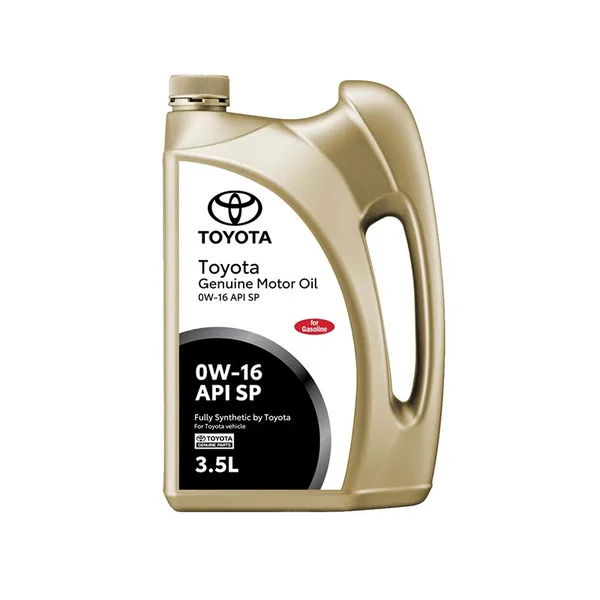
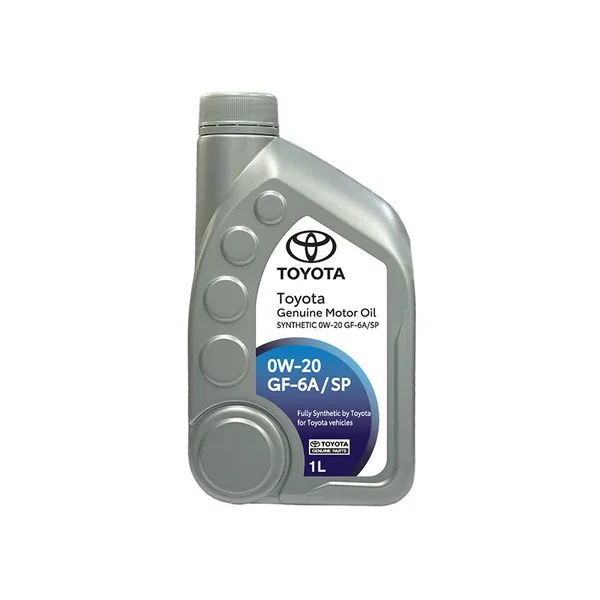
Hybrid engines stop and start often. Grade details (0W-16 / 0W-20) and standards are in Hybrid engine oil, so they are not repeated here. By model:
- Yaris Cross HEV: 0W-16 factory fill, alternatives 0W-20, 5W-30, 10W-30 · change at the reminder or after 6 months
- Corolla Cross HEV: 0W-20 factory fill · every 10,000 km or 12 months; short trips or long idling count as severe use — every 5,000 km or 6 months
- HR-V e:HEV: 0W-20 · the manual has no interval table — check the warranty booklet or ask a dealer
5. Hybrid transaxle fluid — not CVT fluid
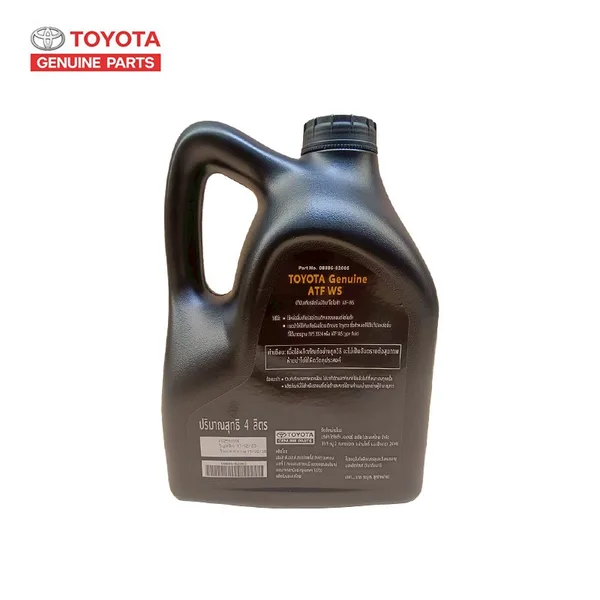
The hybrid transaxle does not use ordinary CVT fluid.
| Model | Fluid | Manual interval |
|---|---|---|
| Yaris Cross HEV | Toyota Genuine ATF WS · 2.6 L | Inspect at 40,000 and 80,000 km or 24 months; no replacement interval |
| Corolla Cross HEV | Toyota Genuine ATF WS · 3.6 L | Same inspection · severe use (heavy loads, sustained high speed over 2 h): replace every 80,000 km or 48 months |
| HR-V e:HEV | Honda ATF DW-1 only · 1.8 L | No figure in the manual — dealer checks and changes it |
Never mix or substitute. Honda states that damage from other fluids is not covered by warranty. For CVT shudder, see CVT judder; for ATF versus CVT fluid, see ATF vs CVT fluid.
6. Brakes: pads versus brake fluid
Hybrids have regenerative braking: when you lift off or brake, the wheels drive the motor, which charges the hybrid battery (Corolla Cross manual p. 57). But the maintenance schedule still calls for pad and disc inspection every 10,000 km or 6 months and brake fluid replacement at 40,000 and 80,000 km or 24 months — by time, as in any car, because brake fluid absorbs moisture.
| Model | Brake fluid per manual |
|---|---|
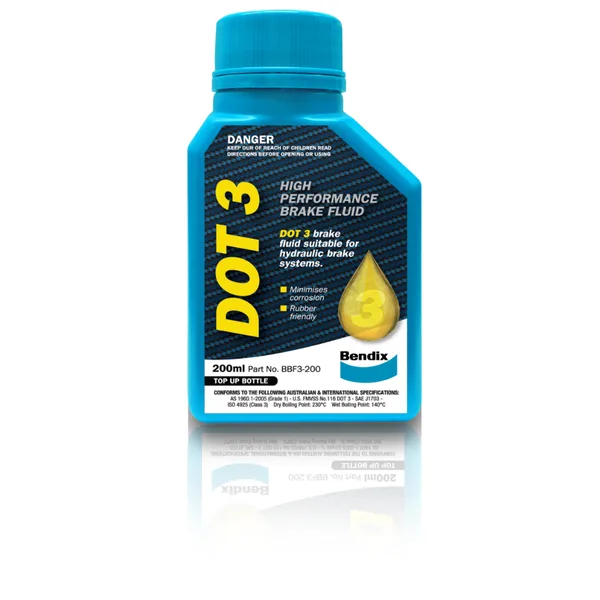
| Yaris Cross HEV | DOT 3 only |
| Corolla Cross HEV | DOT 3 or DOT 4 |
| HR-V e:HEV | DOT 3 or DOT 4 · never DOT 5 |
Don’t guess the grade; check the reservoir cap or the manual. Details in Brake fluid DOT 3 / DOT 4. If a “low brake force, stop in a safe place” message appears, stop and contact a dealer immediately.
7. The hybrid battery air intake
The Corolla Cross manual describes an air intake and filter that cool the hybrid battery. The schedule calls for a visual check every 10,000 km and cleaning every 30,000 km (pp. 309–310), more often in dusty or heavy-traffic use.
If a message says the battery’s heat-transfer parts need servicing, the manual says to clean the intake at once and warns that driving on with the message may cause the battery to malfunction or be power-limited (p. 335). If the message stays after cleaning, go to a dealer (p. 369). The manual gives steps owners can do, but if unsure, let the dealer do it — mishandling the cover and filter can damage them.
Yaris Cross and HR-V: we have not confirmed this from their Thai manuals. Check your manual or ask a dealer.
8. Warning lights and high voltage
The hybrid system carries high voltage (the Corolla Cross manual says up to about 600 V); high-voltage cables are orange.
- Do not touch, remove or replace high-voltage parts, cables or connectors, and do not open the service plug cover under the right rear seat (Corolla Cross p. 60). Honda says not to modify or repair the high-voltage battery system yourself (HR-V p. 373)
- Charging-system warning light → stop immediately somewhere safe and contact a dealer (Corolla Cross p. 359)
- Hybrid-system overheating light → stop somewhere safe
- HR-V high-voltage battery warning light → have the car checked at a dealer; if “Stop Driving When Safe” appears, stop somewhere safe and contact the dealer (p. 94)
- “Hybrid system malfunction” / “hybrid battery system malfunction” messages → take the car to a dealer immediately (Corolla Cross p. 369)
- If the car is on fire or a cable is torn, do not touch it — get out of the car
Quick summary
- The 12V battery can go flat. After long parking the hybrid may not start. Jump-start per the diagram in your own manual; never push-start
- Toyota hybrids have 2 coolant circuits. Inverter first change at 240,000 km. Ask a dealer before using another brand
- Transaxle fluid: ATF WS (Toyota) or DW-1 (Honda) — no substitutes, and not CVT fluid
- Brake fluid is changed by time (Toyota: 24 months / 40,000 km) despite regenerative braking; the Yaris Cross takes DOT 3 only
- Toyota Corolla Cross: inspect the hybrid battery air intake every 10,000 km, clean every 30,000 km
- A hybrid or high-voltage warning = go to a dealer. Never repair it yourself
Browse products in car fluids · per-model tables: Yaris Cross HEV · Corolla Cross HEV · HR-V e:HEV