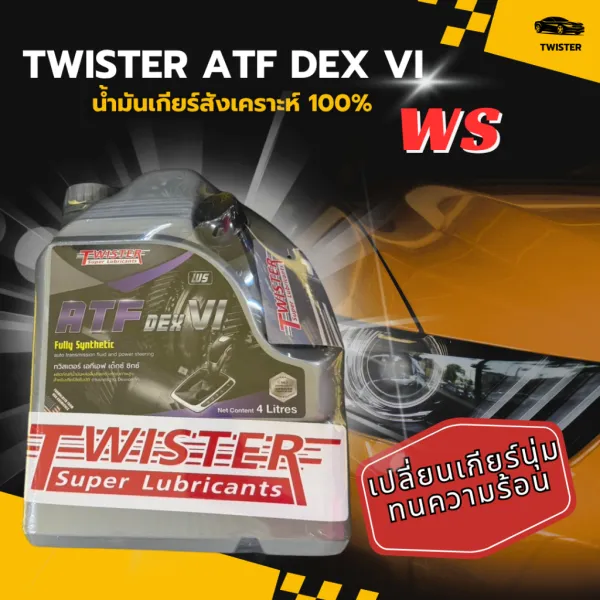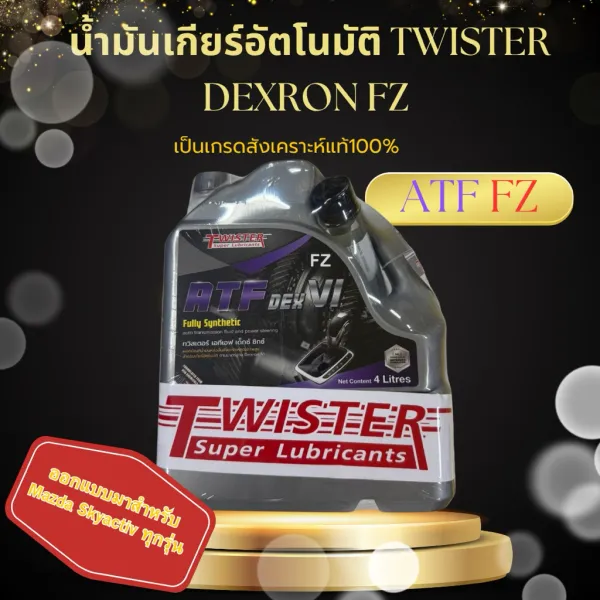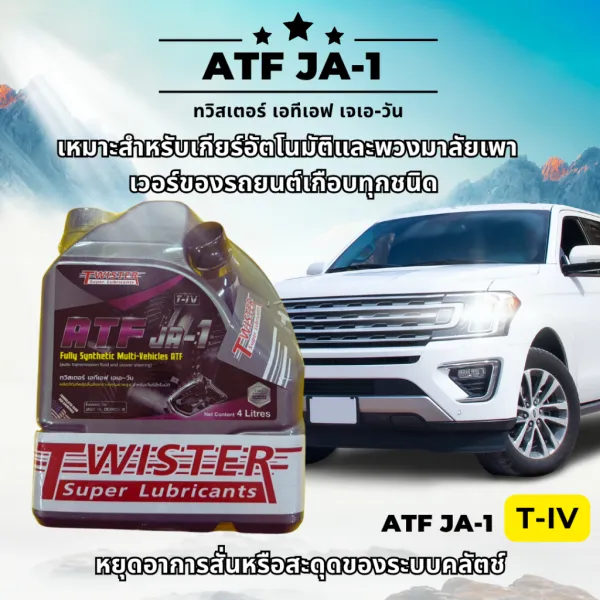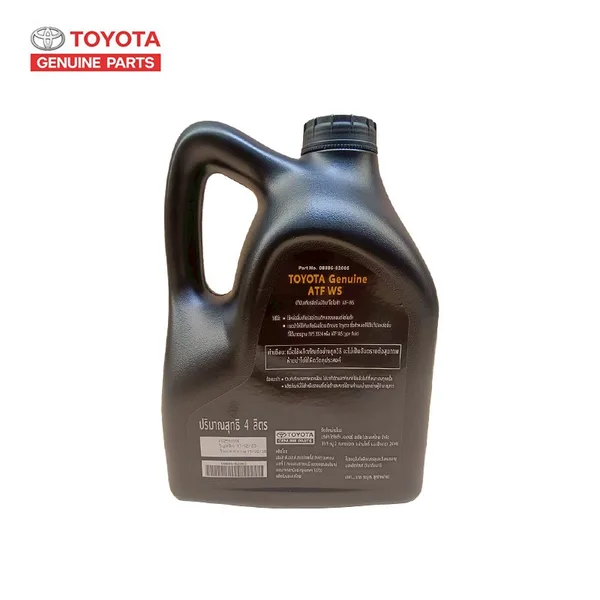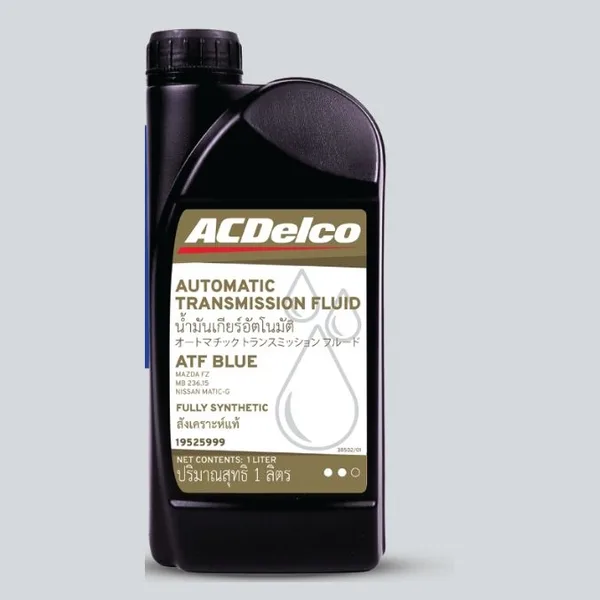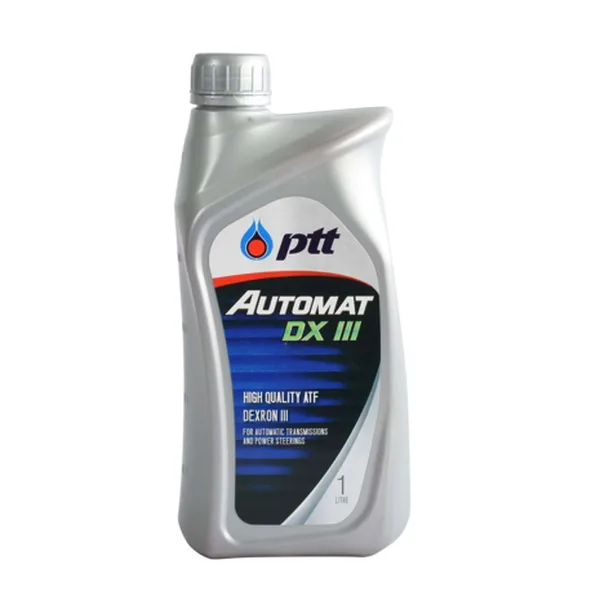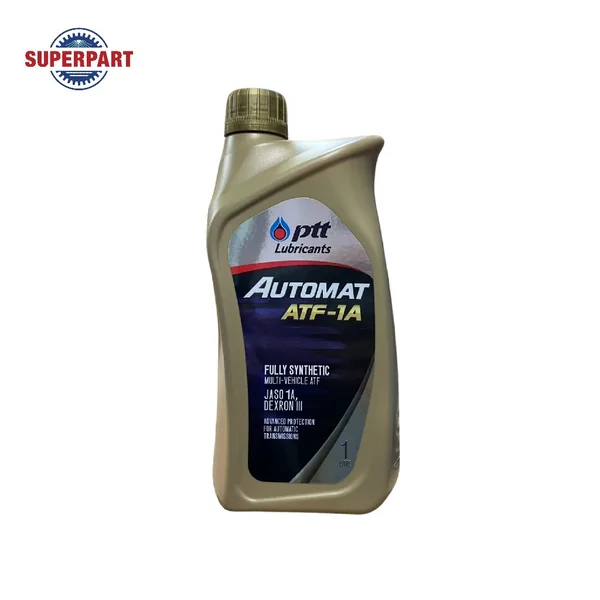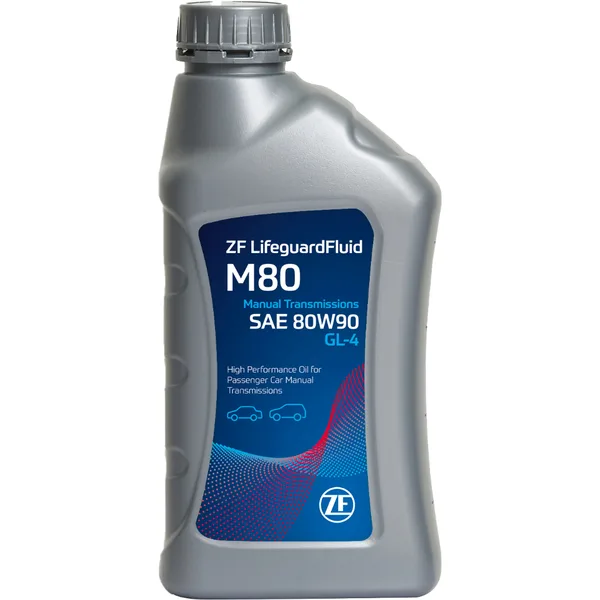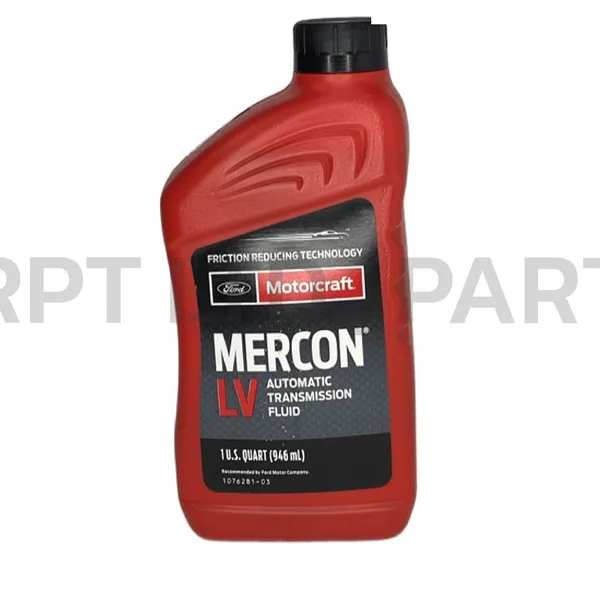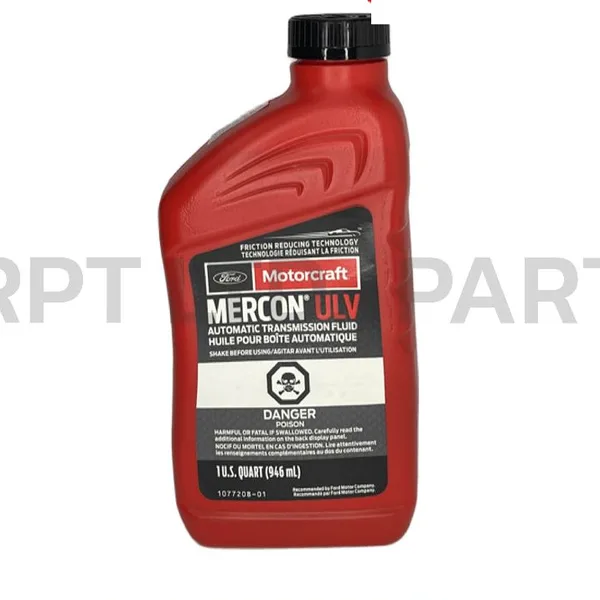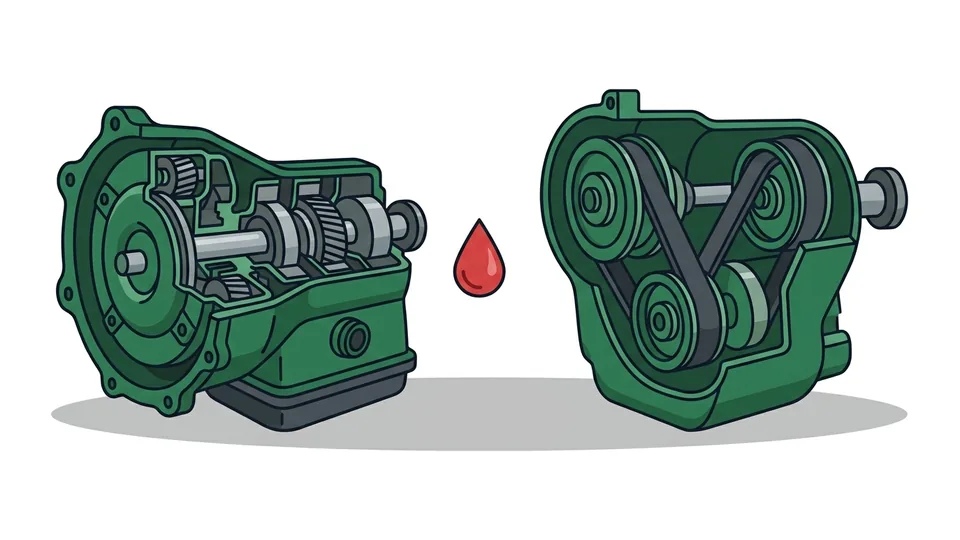
Transmission fluids are a case of “close” is not interchangeable. Each transmission type works differently and needs a different friction behavior from its fluid. The wrong one can cause shudder, slipping or permanent damage.
1. Know which transmission you have
| Transmission | How it feels / works | Fluid |
|---|---|---|
| Stepped automatic (AT) | You can feel distinct 1-2-3 shifts | ATF to the spec in your manual |
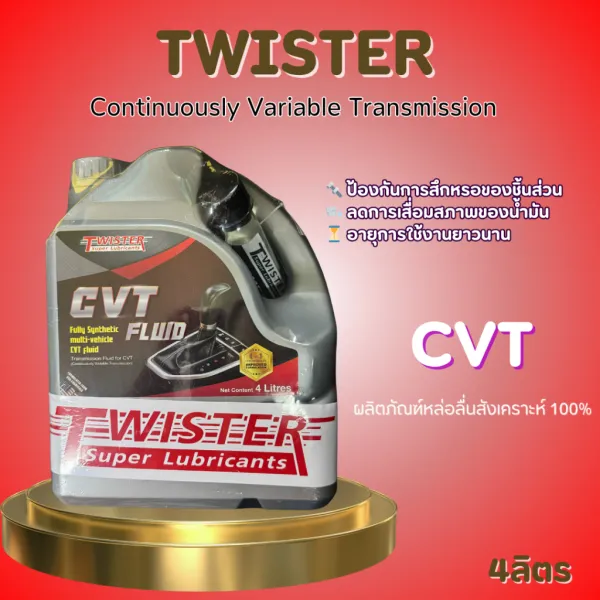
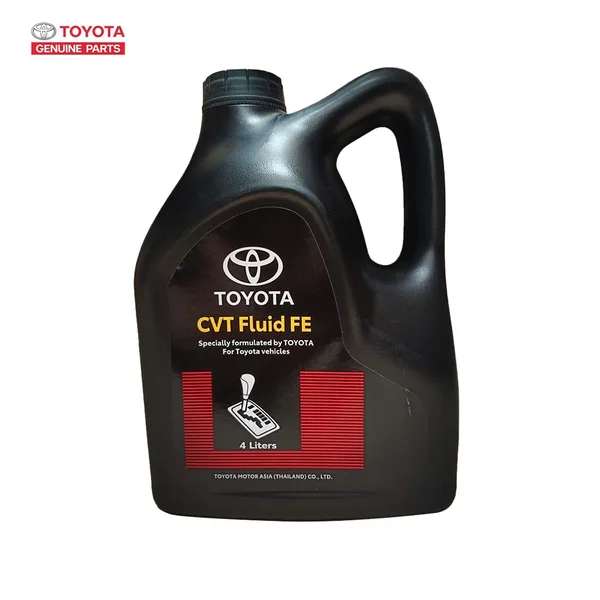
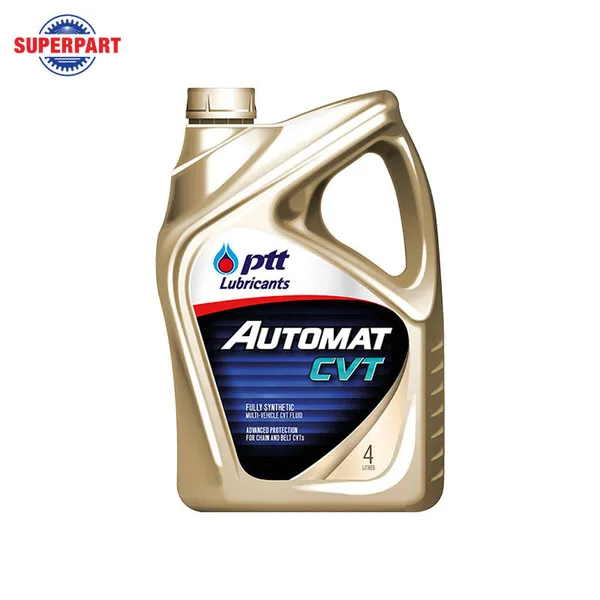
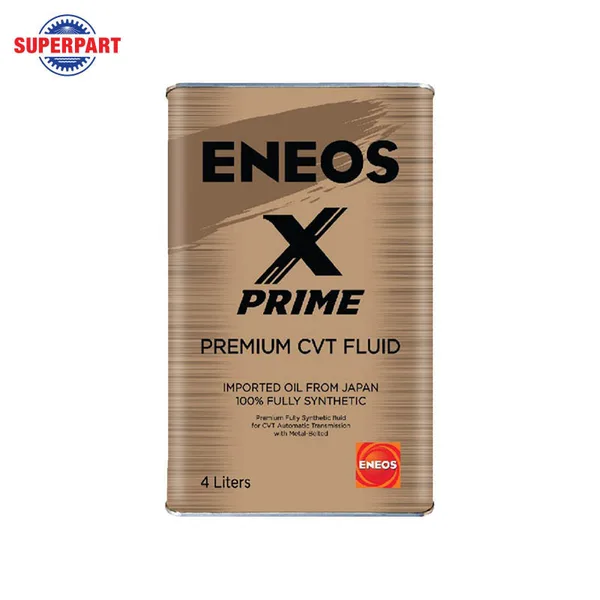
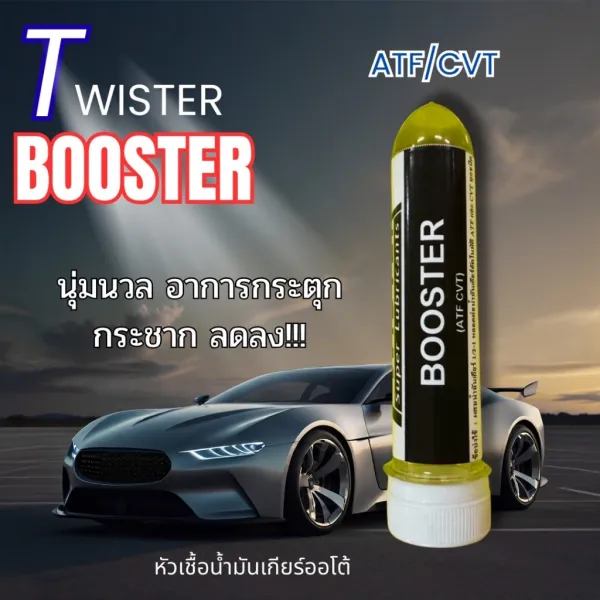
| CVT | Seamless ratio change, no shift points; steel belt/chain on pulleys | CVT fluid only |
| Dual-clutch (DCT) | Very fast shifts; common in European and some other cars | Whatever the carmaker specifies (some need a dedicated DCT fluid) |
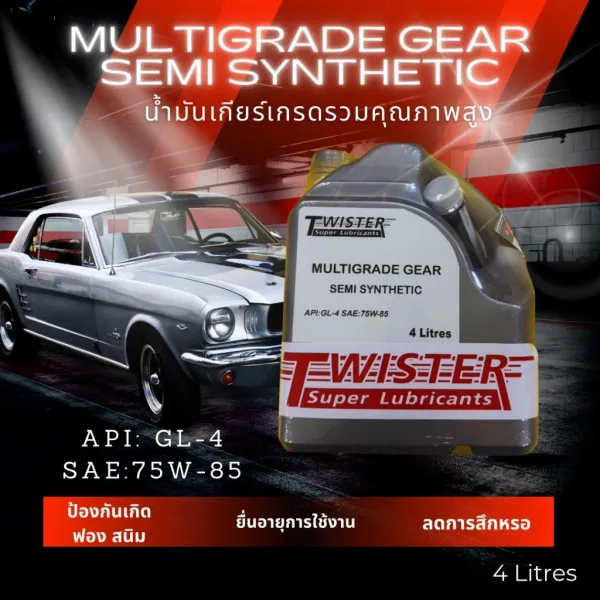
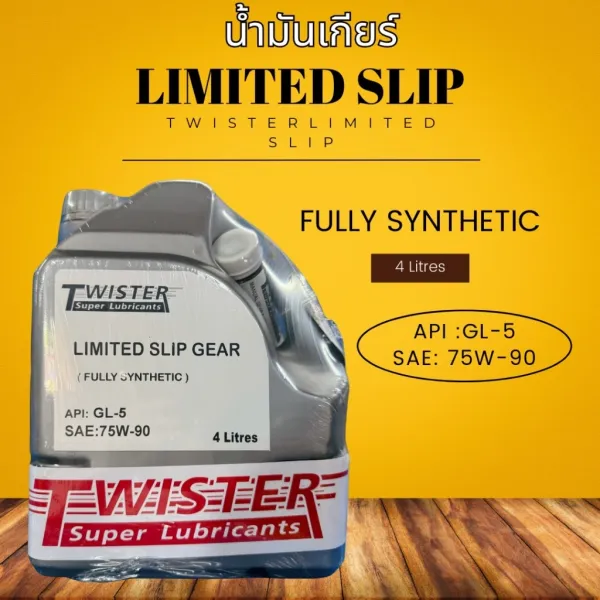
| Manual (MT) and differential | Has a clutch pedal | Gear oil, API GL-4 / GL-5 per manual |
Check the owner’s manual, the vehicle spec sheet, or ask a service center.
2. Why ATF can’t replace CVT fluid
- A stepped AT uses internal plate clutches and bands; ATF is tuned for the friction that makes those shifts smooth
- A CVT transmits power through a steel belt or chain that must grip the pulleys; CVT fluid is formulated for high metal-to-metal friction so the belt doesn’t slip
Put ATF in a CVT and the belt may slip on the pulleys — shudder, revs without acceleration, and fast wear. Use CVT fluid in a CVT only, matching the carmaker’s spec (often a brand-specific code).
3. ATFs have specs too
ATFs are made to different carmaker standards. Common ones:
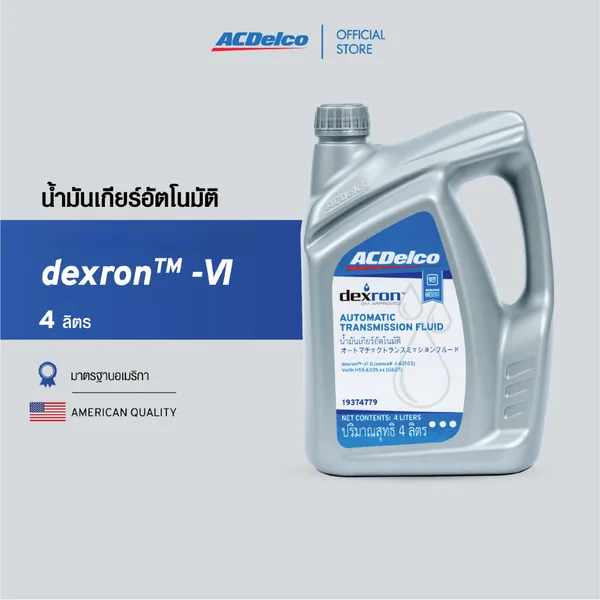
- DEXRON VI → GM’s standard, used by many brands and backward compatible with earlier DEXRON specs
- JASO 1A → Japanese ATF standard
- Brand-specific specs → e.g. Toyota T-IV / WS, Mazda FZ, Honda ATF DW-1
Choose an ATF that lists your manual’s spec, or states it can be used where that spec is required. If it doesn’t say, don’t guess.
4. Manual gear oil: GL-4 vs GL-5
- GL-5 has more extreme-pressure additives, suited to heavily loaded hypoid differentials
- GL-4 is used in many manual gearboxes
Some manual gearboxes have brass or alloy synchronizers for which the maker specifies GL-4. Don’t assume GL-5 is always better — use the grade and viscosity (e.g. 75W-85, 75W-90) your manual lists.
5. How often to change transmission fluid
Some manuals call automatic transmission fluid “lifetime” under normal use but list a separate interval for severe use — frequent traffic, towing, hill driving — which is common in Thailand. Follow that interval, and use a shop with the tools to check the level properly, since many transmissions have no dipstick.
Quick summary
- Stepped automatic → ATF to the manual’s spec (DEXRON, JASO 1A, T-IV, FZ, etc.)
- CVT → CVT fluid only, never ATF
- Dual-clutch → per carmaker
- Manual / differential → GL-4 or GL-5 per manual — neither is “better”
Browse products with details at Gear, brake & coolant fluids