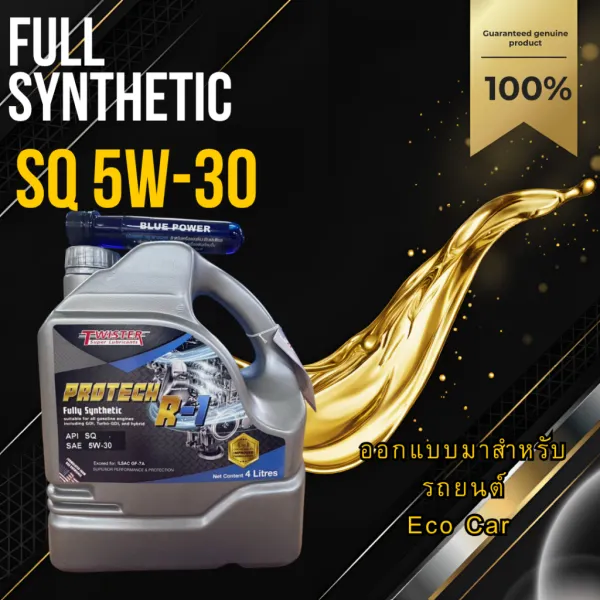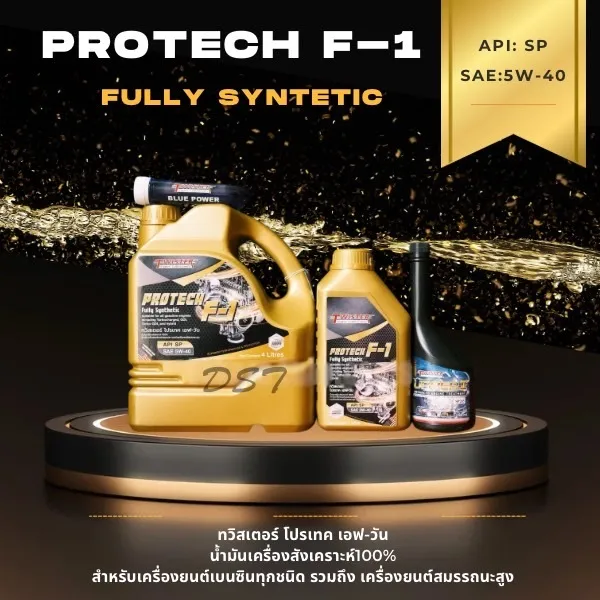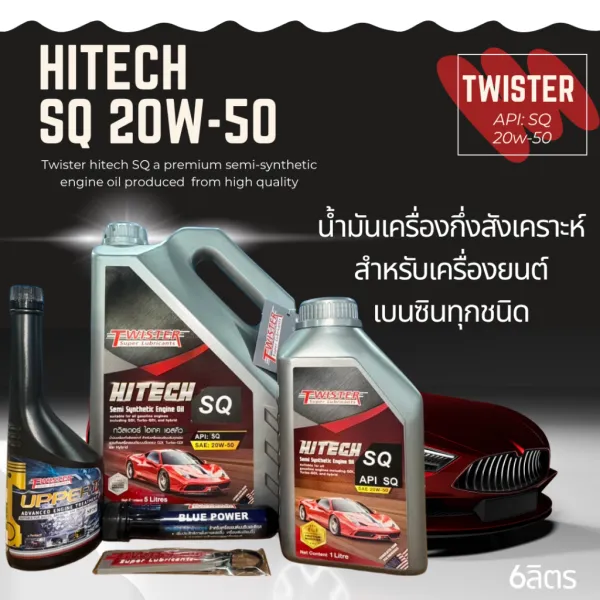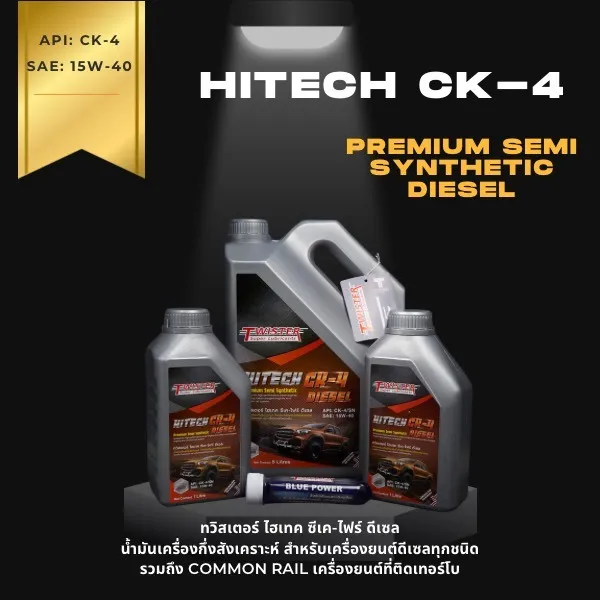
Engine oil labels often say “100% synthetic” or “semi-synthetic.” The difference is the base oil — the main ingredient — while the additive package on top provides the rest of the properties.
1. How the three types differ
| Type | Base oil | Strengths |
|---|---|---|
| Mineral | Refined from crude oil | Low cost; fine for older engines that specify it |
| Semi-synthetic | A blend of refined and synthetic oils | Balance of price and durability |
| 100% synthetic | Mainly synthetic oils | Heat resistant, slow to degrade, flows well when cold |
Synthetic base oils have more uniform molecules, so they handle high heat better, form fewer deposits and sludge, and hold their viscosity more consistently over the interval.
2. Which cars benefit from full synthetic
- Low-viscosity specs such as 0W-20 or 5W-30 — most of these oils are synthetic anyway
- Turbo engines — the turbo shaft runs very hot; heat-resistant oil reduces deposits
- Direct injection (GDI) and hybrids
- LPG/NGV conversions — gas burns hotter than liquid fuel
- Hard use such as daily traffic jams or long drives in the heat
3. Who semi-synthetic still suits
- Cars whose manual specifies 10W-30, 15W-40 or 20W-50 in normal use
- Older heavy-duty diesels already on frequent change intervals
- Drivers who change oil on schedule and want value
More important than oil type is that the grade (API/ACEA) and viscosity match the manual and that you change it on time. A correct-grade semi-synthetic changed on schedule beats a wrong-grade or overdue full synthetic.
4. Can you switch types?
Yes. You can move from semi-synthetic to full synthetic or back without flushing, as long as the grade and viscosity match the manual.
The idea that “synthetic makes engines leak” — synthetic oil doesn’t damage seals. But in an old engine with already-worn seals held shut by deposits, a cleaner oil may reveal seepage that was already there. If that happens, the seal is what needs fixing.
5. Can you top up with a different oil?
API-licensed oils are required to be compatible with other licensed oils. If the level drops between changes, topping up with a different brand or type does no harm, though overall performance drops toward the weaker oil.
Best practice: top up with the same oil; if you don’t have it, use the same viscosity and an equal or higher grade, then do a full change next time.
Quick summary
- Full synthetic → turbo, GDI, hybrid, LPG/NGV, 0W/5W oils, hard use
- Semi-synthetic → normal use where the manual specifies higher viscosities, changed on schedule
- Grade and viscosity per manual matter more than oil type
- Switching or mixing is fine, but topping up with the same oil is best
Browse products with full specs at Gasoline engine oil · Diesel engine oil