A small turbocharged direct-injection engine makes plenty of power from little displacement, at the price of more heat and higher pressure in the combustion chamber. The oil has to lubricate, carry heat away from the turbo, and help the engine avoid LSPI. Here is what to look for on the label and how to treat the car.
1. Why turbos are hard on engine oil
The turbo’s center section is lubricated and cooled by engine oil. When you switch off, oil stops flowing, but heat stored in the turbine housing and exhaust manifold keeps soaking back into that center section (heat soak). Oil left behind can bake into hard carbon deposits, called coking, which damages seals and bearings. That is why many modern turbos also have coolant passages to help pull heat out after shutdown.
2. What is LSPI?
LSPI (low-speed pre-ignition) is combustion that starts before the spark plug fires. It shows up in turbo direct-injection engines at low rpm and high load — a hard launch, or climbing a hill in too high a gear. Cylinder pressure spikes abnormally and can damage pistons, rings or connecting rods.
The working theory in industry sources is that small droplets of engine oil enter the chamber and ignite on their own, and that calcium-based detergents make this more likely. Oils therefore have to pass an LSPI test before earning the standard.
3. How API SP/SQ and ILSAC GF-6/GF-7 help
| Standard | Relevance to turbo engines |
|---|---|
| API SP (ILSAC GF-6), since May 2020 | LSPI protection · timing-chain wear protection · high-temperature deposit control on pistons and turbochargers |
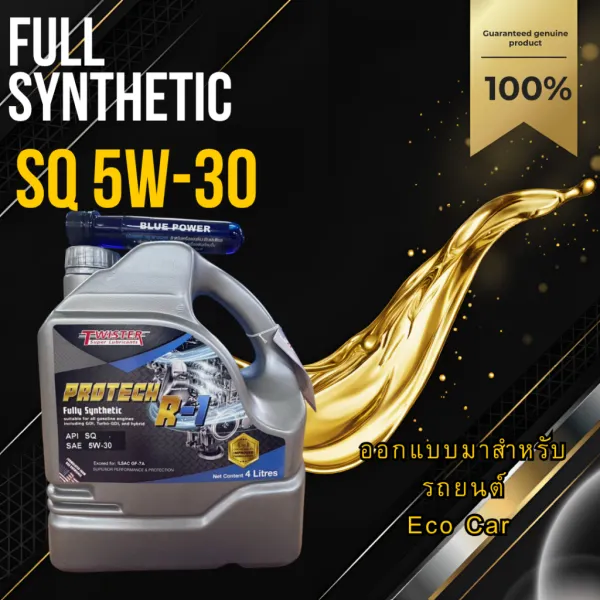
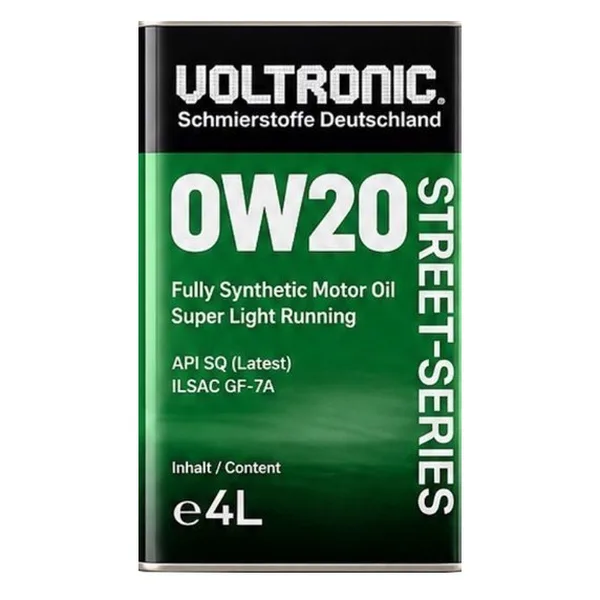
| API SQ (ILSAC GF-7), licensed since 31 March 2025 | Builds on SP: adds an LSPI test on aged (used) oil and improved timing-chain wear protection |
For the chain, API tests chain stretch on a turbocharged direct-injection engine (ASTM Sequence X). API states that SQ oils may be used wherever SP or earlier grades are recommended, so a car whose manual says SN or SP can take SP/SQ. European cars that call for an ACEA sequence should use exactly that (ACEA states A7/B7 and C6 add LSPI protection for turbo gasoline DI engines).
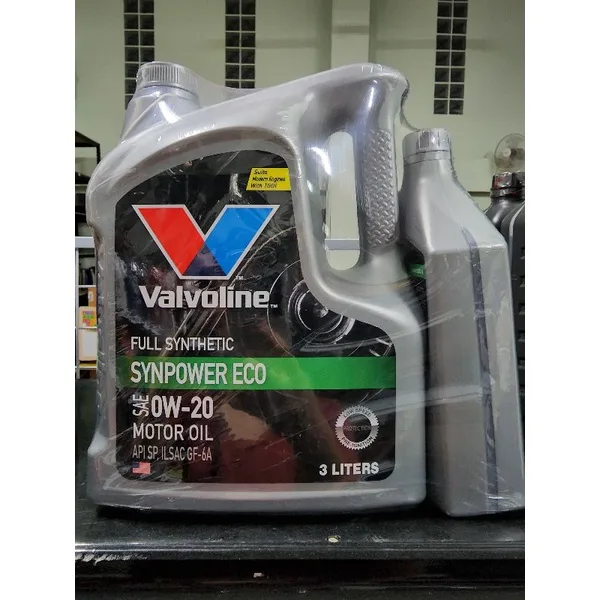
A label with no API/ILSAC/ACEA grade says nothing about LSPI. See How to read an engine oil label.
4. Viscosity and change interval
- Use the viscosity in your manual. Many newer cars specify 0W-20 or 5W-30, some 5W-40. Don’t change it just because “the turbo runs hot” — see Changing oil viscosity
- Some manufacturers say to use only the specified oil and add no additives — see Are oil additives worth it?
- Interval: follow the manual. Traffic, short trips, towing and frequent hills usually count as “severe” use, with a shorter interval. Exact figures are in your manual; more in How often to change engine oil
5. Driving and shutting down
No long warm-down needed, but don’t switch off straight after hard driving.
- The Mazda manual says to idle at least 30 seconds after freeway speeds, a long climb or long towing; the Kia manual says about 1 minute after sustained hard driving. That is a short pause, not ten minutes.
- These manuals tie the idle to hard driving, not normal city trips. Check your own model’s manual for its conditions.
- Avoid hard revving right after starting (the Mazda manual warns it can damage the turbo).
6. GPF in brief
Some direct-injection gasoline cars have a particulate filter (GPF). Ash from oil additives builds up in it and can’t be burned off, so ACEA has C-category (low/mid SAPS) oils compatible with GPFs. If your manual calls for a C grade, use it.
Quick summary
- Viscosity per manual · API SP or SQ (or ILSAC/ACEA as the manual says)
- LSPI = early ignition at low rpm, high load. SQ adds a test on used oil
- Change on schedule, using the severe interval if you qualify
- After hard driving idle briefly per the manual; normal driving needs no wait
- GPF fitted → check for ACEA C in the manual
See specs at Gasoline engine oil · Sedans · Finder · General grades: Engine oil for sedans, eco cars and hybrids