This comes up constantly, especially from people told “Thailand is hot, use thicker oil.” The short answer: change only within the range your owner’s manual allows. Here’s why and how to check.
1. Understand the viscosity numbers
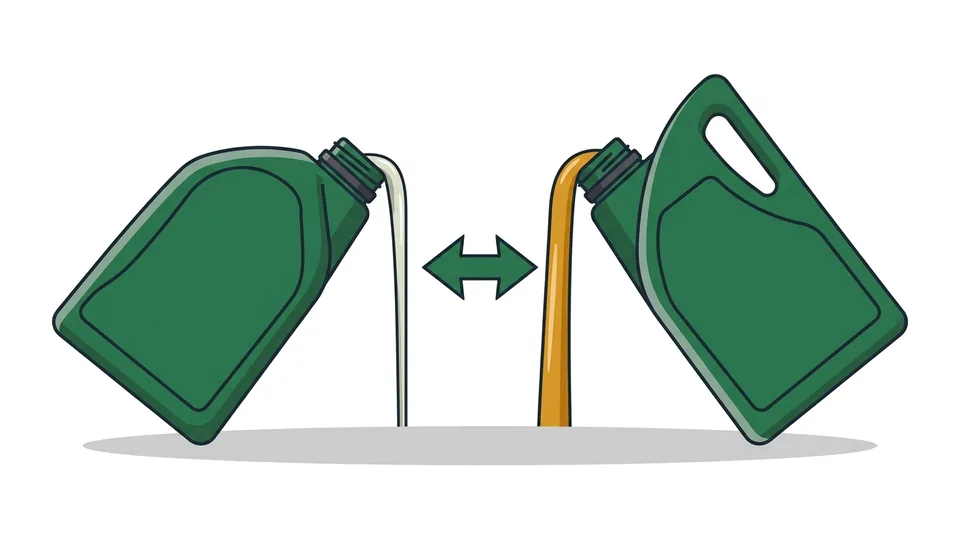
Take 5W-30:
- 5W (the number before W — W for Winter) → how well the oil flows when cold. Lower means it reaches moving parts faster at start-up
- 30 (the second number) → viscosity at engine operating temperature (about 100°C). Higher means a thicker oil film
An engine runs at about 100°C whether the air outside is hot or cool, so Thailand’s heat is not a reason to use thicker oil.
2. Check the viscosity table in your manual
Many manuals don’t list just one grade but a table or list of acceptable grades, such as “0W-20 (recommended) or 5W-30,” sometimes by ambient temperature range.
- If the grade you want is on the list → you can switch
- If it’s not on the list → don’t
3. Why newer cars shouldn’t go thicker than the manual
- Variable valve timing (VVT) and chain tensioners run on oil pressure calibrated for the specified viscosity; oil that’s too thick can throw off timing and trigger warning lights
- Narrow oil passages in modern engines mean thicker oil takes longer to reach parts at start-up — when most wear happens
- Fuel consumption rises because the engine works harder to pump thicker oil
4. What about going thinner than the manual?
Don’t, especially on the second number (e.g. from 40 down to 20) — the film at operating temperature becomes thinner than the engine was designed for, risking wear under load.
Lowering only the W number (e.g. 10W-30 to 5W-30) with the same second number is usually fine and helps cold starts, if the manual allows it.
5. Older, high-mileage engines
Very high-mileage engines may have wider clearances from wear. Some owners go slightly thicker, e.g. 10W-30 to 10W-40, to reduce noise or oil consumption. That’s reasonable if:
- The new grade is still on the manual’s list, or it’s an older engine without complex valve timing
- Mechanical problems have been ruled out — worn rings or leaking seals should be repaired
More detail in Mileage and engine oil grade
Quick summary
- Hot weather isn’t a reason for thicker oil
- Only switch to grades listed in your manual
- New cars, VVT, hybrids → stick to the manual’s grade
- Never go thinner than the manual on the second number
- High-mileage engines → slightly thicker is OK if the manual allows and there’s no mechanical fault
New to oil labels? See How to read an engine oil label · Browse Gasoline engine oil