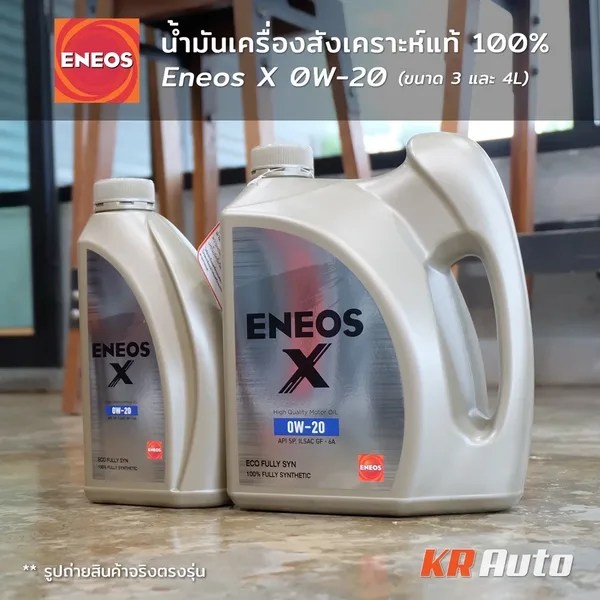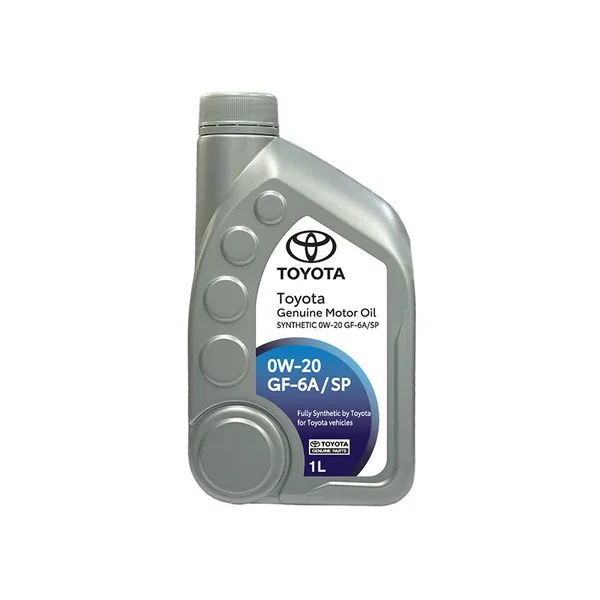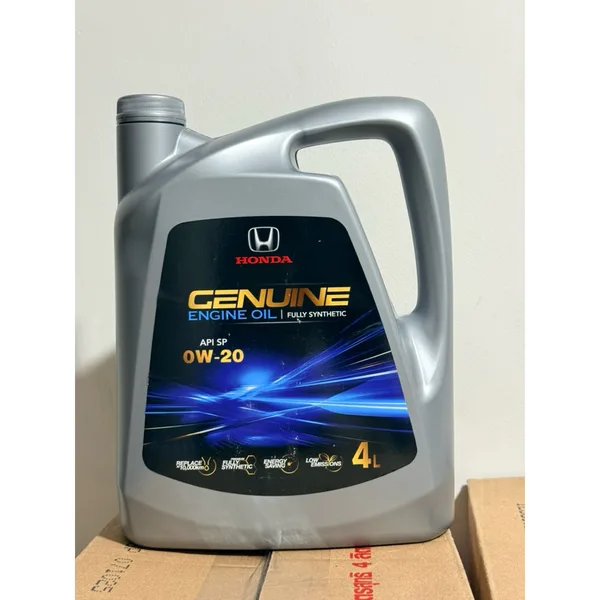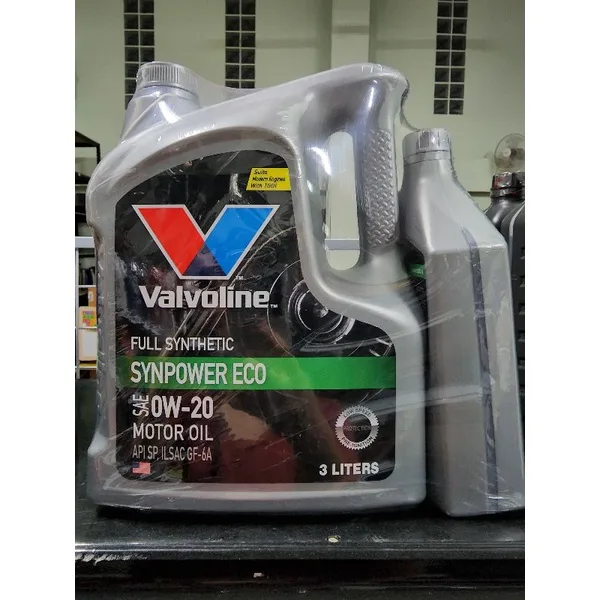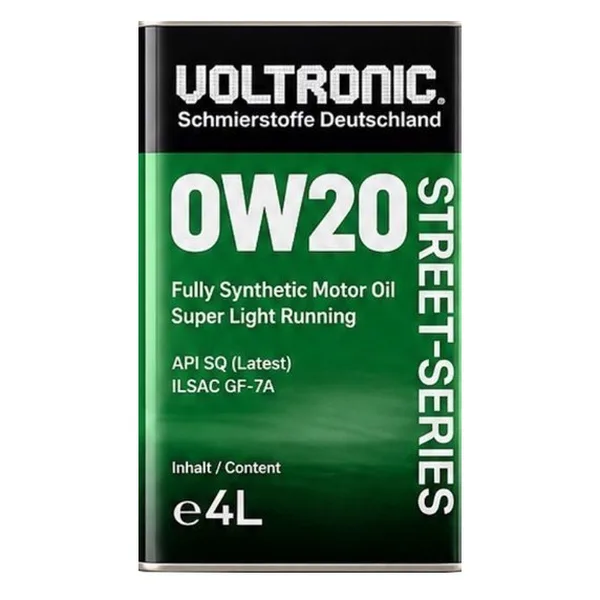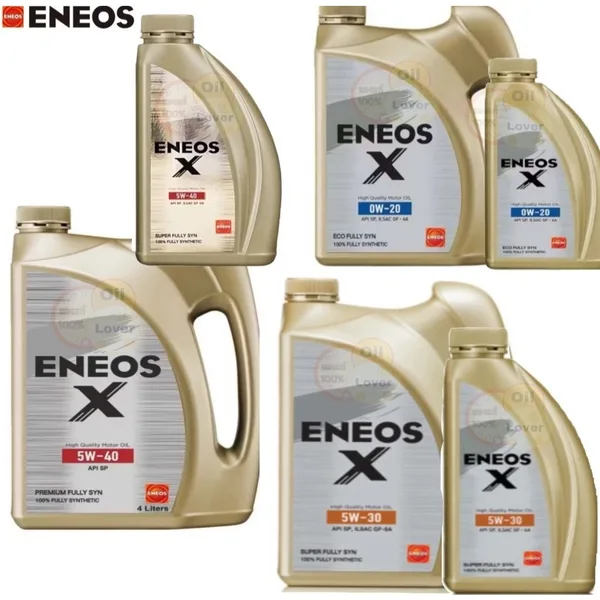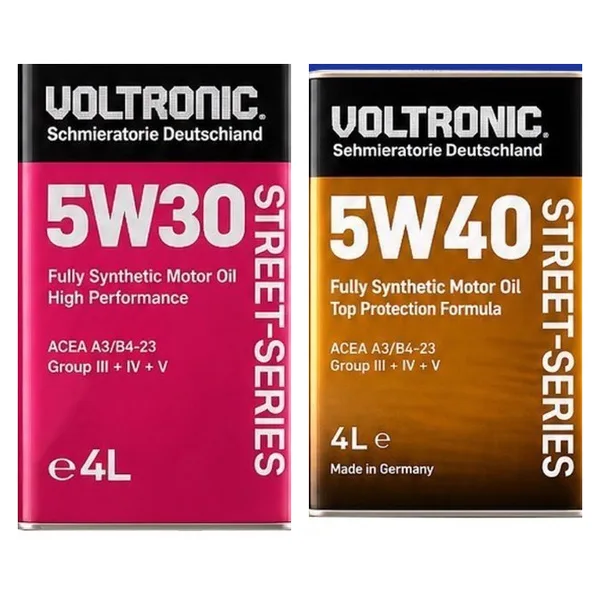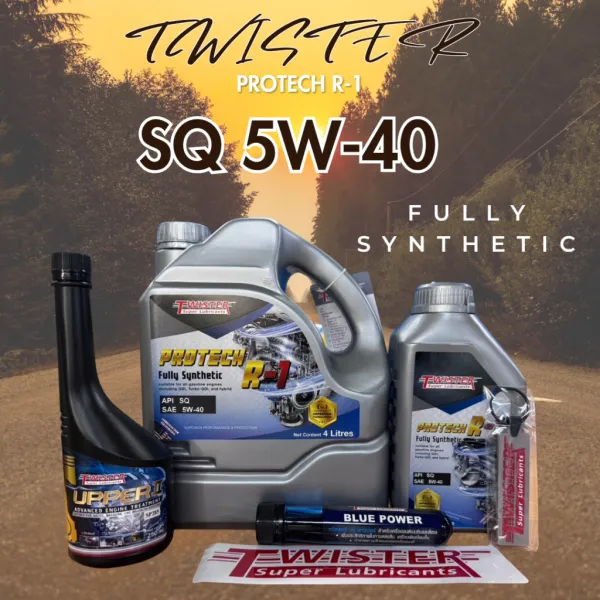
Modern gasoline engines are smaller, rev higher, and many use direct injection (GDI) or a turbo, so the oil works harder than it used to. Matching the grade helps with both wear and fuel economy. Check these in order.
1. Start with the viscosity in your owner’s manual
Most new eco cars and hybrids are designed for thin oil such as 0W-20 or 5W-30 — oil passages and variable valve timing are built around that viscosity.
- Manual says 0W-20 → use 0W-20. Some manuals include a table allowing 5W-30 as an alternative; check it before switching
- Manual says 5W-30 → use 5W-30
- Older gasoline cars specifying 10W-40 or 20W-50 → keep using that; no need to move to thinner oil
Don’t go much thicker than the manual “because Thailand is hot.” The number after the W (the 30 in 5W-30) already describes viscosity at engine operating temperature, not air temperature.
2. Check the API and ILSAC grades
Gasoline API grades start with S; later letters are newer, broader and backward compatible.
| Grade | Highlights |
|---|---|
| API SP | Protects against low-speed pre-ignition (LSPI) in direct-injection and turbo engines, and against timing-chain wear |
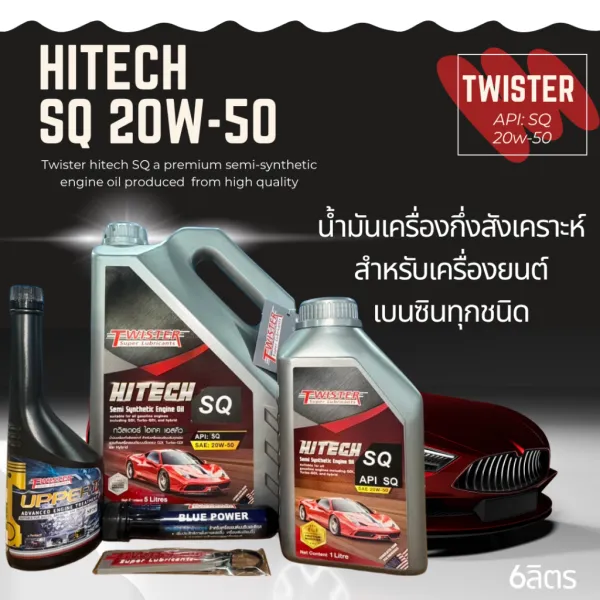
| API SQ | Newer than SP — keeps the LSPI and timing-chain protection and adds tighter requirements for cleanliness and engine protection |
ILSAC (e.g. GF-7A) is a fuel-economy focused standard for low-viscosity oils. If your manual lists ILSAC, pick an oil that carries it.
Rule of thumb: use the grade your manual specifies or newer — if it says SN, SP or SQ is fine.
3. Some European cars use ACEA
Many European cars specify an ACEA sequence (such as C3) or a manufacturer code (such as MB 229.51) instead of API. If the manual lists one, choose an oil that states it exactly — it relates to the car’s exhaust after-treatment.
4. What’s different about hybrids
A hybrid’s engine starts and stops constantly and often runs before it is fully warm, so oil must flow quickly when cold. That is why hybrid manuals usually call for thin oil such as 0W-20 or 0W-16. Follow the manual strictly.
5. Cars running on LPG/NGV
Gas-fueled engines burn hotter. If your car has been converted, use a 100% synthetic oil at the manual’s viscosity and stick to the change interval — don’t stretch it.
6. Oil change interval
Follow the manual, but if your driving matches its “severe” conditions — frequent traffic jams, repeated short trips, dusty roads, which is everyday driving in much of Thailand — use the severe-condition interval, which is shorter than the normal one.
Quick summary
- New eco car / hybrid → viscosity per manual (often 0W-20 or 5W-30) · API SP/SQ · ILSAC if the manual requires it
- Direct-injection or turbo sedan → SP or newer · 100% synthetic
- European car → check ACEA or manufacturer code in the manual first
- Older, high-mileage gasoline car → viscosity per manual, e.g. 20W-50 · SP/SQ grades are fine
Browse this category with full specs at Gasoline engine oil · New to oil labels? See How to read an engine oil label